Introduction
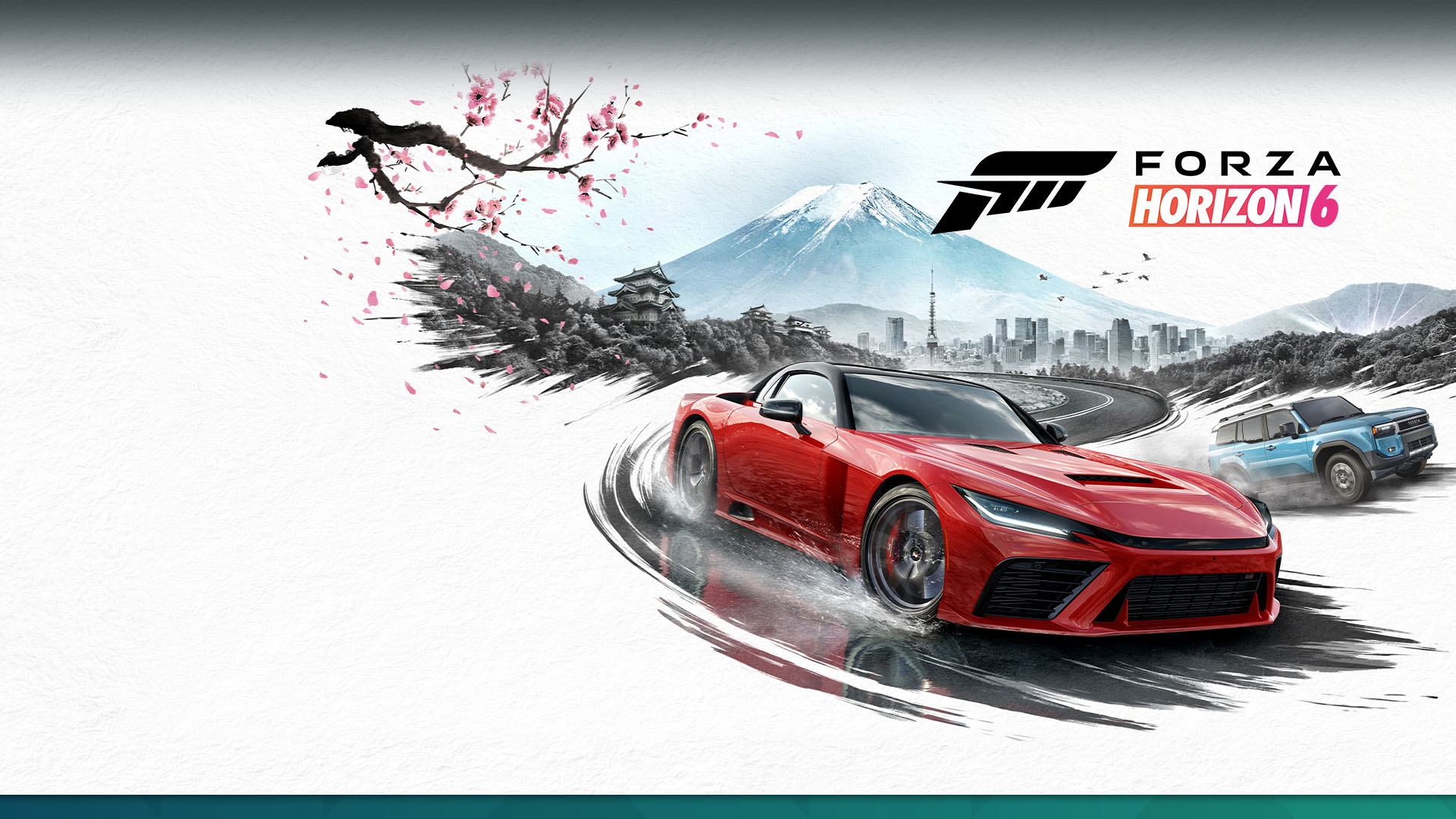
Racing games rarely get this kind of anticipation unless they promise more than sharper graphics and a bigger garage. This new chapter arrives with a setting fans have wanted for years, a launch plan that stretches across major platforms, and a design philosophy that leans hard into discovery, car culture, and spectacle. Official pages describe a festival set in Japan, a launch roster of more than 550 cars, and a career that begins with the player as a tourist before the road to Horizon legend truly opens up.
Forza Horizon 6 already has the kind of headline ingredients that naturally attract both longtime players and casual readers: a May 19, 2026 launch on Xbox and PC, Premium Edition early access beginning May 15, and a confirmed PlayStation 5 version that has been announced even though its PlayStation store page still lists the release date as to be determined. That combination creates a perfect storm of curiosity because it blends official certainty with just enough unanswered detail to keep search interest high.
The real appeal, however, is not one feature in isolation. It is the way the package comes together. Japan brings dense city roads, mountain driving, drifting energy, seasonal variety, and a cultural identity that feels naturally suited to the Horizon formula. Add in Car Meets, Touge Battles, customizable garages, Horizon CoLab, and a stronger social layer, and the game starts to look less like a routine sequel and more like a deliberate statement about where open-world racing can go next.
Why the Hype Feels Different This Time
Every major entry in the Horizon series arrives with excitement, but the current wave feels more focused because it centers on fan demand that has been building for years. Japan has long been one of the most requested settings for the franchise, and official Xbox coverage openly frames it as a location the team and the audience had wanted for a long time. When a series finally lands on a setting that players have imagined for years, anticipation tends to become more emotional and more durable than a normal pre-launch cycle.
The other reason the hype feels bigger is that the marketing message is unusually clear. Instead of selling only speed, the official pitch leans into tourism, discovery, community, and Japanese car culture. The player begins as a visitor, works through the Horizon Invitational, earns wristbands, fills out a Collection Journal, and ultimately reaches Legend Island. That structure gives the game a stronger sense of personal journey than a simple list of races and unlocks would suggest, and that story angle helps broaden its appeal beyond pure racing fans.
There is also a practical reason interest is so high. The game is not being framed as a small upgrade. Official material points to over 550 cars at launch, updated steering animations, new customization options, Car Meets, Drag Meets, Spec Racing Championships, Horizon Time Attack Circuits, and multiplayer building tools in Horizon CoLab. When official messaging combines scale, culture, creativity, and community features in one pitch, readers naturally see a sequel that aims to feel fuller rather than merely newer.
Release Date and Launch Timeline
The clearest piece of confirmed information is the core launch timing. Official Forza and Xbox pages state that the game releases on May 19, 2026 for Xbox Series X|S, Xbox on PC, Xbox Cloud, Steam, and Game Pass Ultimate, while Premium Edition players can begin on May 15. That timeline matters because it gives the title a strong early-summer window, a point in the calendar when players are often eager for a big open-world game they can sink into over weeks rather than days.
Forza Horizon 6 also benefits from having a launch message that is easy to understand for searchers. Players looking for the release date usually want more than a single day on a calendar. They want to know whether early access exists, whether Game Pass covers it, and whether different editions change when they can start playing. Official listings answer those questions cleanly: Premium access starts four days earlier, and Game Pass members can play from May 19, with the Premium Upgrade unlocking the early access window.
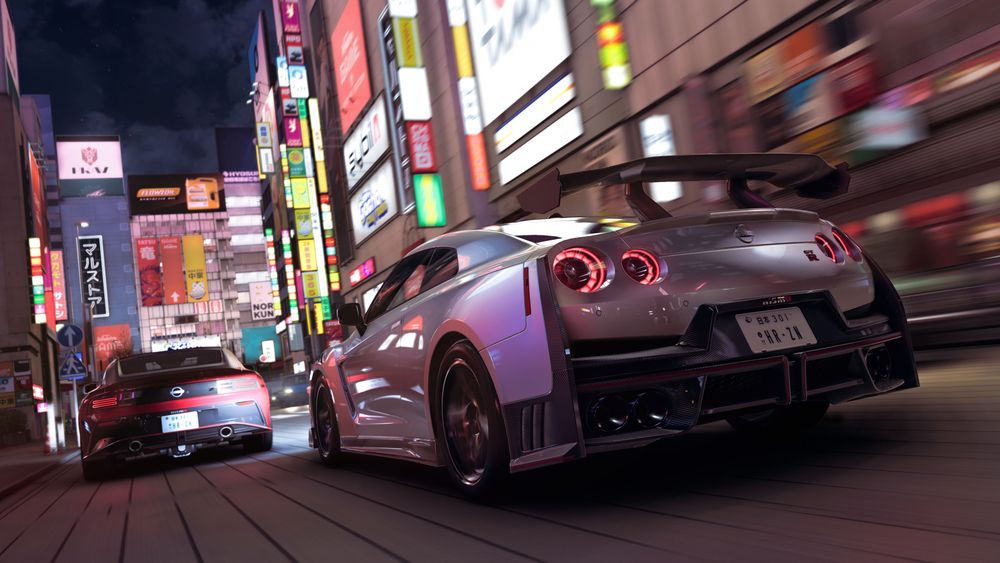
The one detail that needs careful wording is PlayStation. Xbox Wire says the title is coming to PlayStation 5 later in 2026, but the PlayStation store page currently labels its release date as to be determined. For readers, that means the platform is officially part of the conversation, but the exact timing still needs confirmation from Sony or Microsoft. Good coverage should present that clearly, because precision builds trust and prevents a strong title from drifting into inaccurate promise.
Why Japan Is the Perfect Map for Horizon
A Horizon setting succeeds when it feels visually distinctive, mechanically varied, and culturally alive. Japan gives the series all three at once. Official descriptions emphasize the contrast between rural and urban spaces, diverse biomes, and a world full of verticality and spectacular driving experiences. That matters because open-world racing is not only about going fast. It is also about the emotional texture of the road, the feeling that each district changes your driving style and your mood.
Forza Horizon 6 seems built to exploit that contrast. Official pages highlight Tokyo City as the largest urban area in any Horizon game, with suburbs, downtown streets, docks, and industrial districts all contributing to a more layered city driving experience. The promise of iconic city routes paired with countryside, alpine roads, and year-round snow in the mountainous region gives the map a rhythm that should feel much more dynamic than a one-note environment. It is easy to see why this setting has such strong search appeal.
There is also a deeper cultural fit here. Horizon has always blended cars with fantasy, music, and festival atmosphere, but Japan adds a car culture mythology of its own. Official material references authentic stories rooted in Japanese car culture, Touge Battles, JDM classics, and neighborhoods built to be driven rather than merely viewed. That makes the setting feel like a design choice with narrative and mechanical value, not just a scenic postcard. For writers, that is the heart of the Japan map angle: it promises identity, not only beauty.
What PS5 Means for the Series
For years, Horizon and PlayStation sat on opposite sides of the console divide, so the official appearance of this game on PlayStation platforms changes the conversation immediately. Even before a final PS5 date is locked, the PlayStation page confirms the game is part of Sony’s ecosystem, offers a wishlist option, and presents a full feature breakdown. That alone is significant because it transforms what was once a platform-exclusive fantasy into a broader market event that can pull in an entirely new audience.
The PS5 angle matters because it changes how the game is discussed online. Instead of a title speaking only to existing Xbox and PC communities, it now reaches players who may know the franchise mainly by reputation. For those readers, the official PlayStation page acts as an introduction, explaining the Collection Journal, Legend Island, Japanese seasons, Tokyo City, Car Meets, and builder tools in language designed for newcomers. That kind of platform expansion often increases search demand because fresh audiences begin asking foundational questions veterans stopped asking years ago.
It also changes the tone of comparison pieces. Once a game appears on PS5, the conversation becomes less about whether people can access it and more about how they want to experience it. Xbox still offers clear advantages through Game Pass, Xbox Play Anywhere, and the unified ecosystem described by official sources, but PlayStation’s presence gives the game another route into living rooms that may never have touched the series before. That broadens both commercial reach and editorial relevance, especially for general gaming readers rather than platform specialists.
Why 550 Cars Is More Than a Big Number
A car count can look like a simple marketing figure, yet here it signals something broader about ambition. Official pages say the game launches with more than 550 cars, which is presented as the highest day-one total in Horizon history, and more cars are planned after launch. Numbers like that matter because they promise variety not only in collecting but in identity. A roster this large invites players to move between fantasy, nostalgia, performance tuning, off-road adventure, and culture-specific favorites without feeling trapped in one style of play.
Forza Horizon 6 gains even more value from how those cars are framed. Official descriptions mention JDM classics, the return of Forza Edition cars with extreme modifications, rare Aftermarket Cars parked around the world, updated engine audio, and steering animations of up to 540 degrees of wheel rotation. Those are not just bullet points. Together, they suggest a roster designed to feel more expressive in motion and more meaningful in discovery, which is exactly what a modern open-world racing game needs.
The customization layer adds another reason the car list matters. Official material points to individually set up Forza Aero, window liveries, extra body kits, new paint options, favorite color and material shortcuts, and even separate wheel choices for front and rear rims on some vehicles. That means the value of the garage is not merely in ownership. It is in creation. A large roster becomes much more compelling when the tools around it let players build distinct identities rather than slightly different versions of the same car.
Gameplay, Exploration and Festival Progression
One of the most interesting official ideas is that the game wants exploration to feel less like checklist clearing and more like self-directed discovery. Xbox Wire describes the world as seamless and inviting, with a “golden path” available for players who want structure, but no pressure to follow it at a fixed speed. That approach suits an open-world racing game because it respects the pleasure of wandering, finding a road that looks irresistible, and letting curiosity compete with progression instead of always losing to it.
The progression structure still gives the experience shape. Players start as tourists, qualify for the Horizon Invitational, rise through the ranks, earn wristbands, and eventually access Legend Island. At the same time, the Collection Journal tracks what players discover across the world, from cars and houses to landmarks and mascots. This combination of guided advancement and collectible memory-making is clever because it gives both achievement-focused players and casual explorers a reason to keep driving. One wants the next rank, while the other wants the next story hidden around a bend.
There is also a tonal shift that makes the design feel more welcoming. Official copy repeatedly describes the game as approachable and emphasizes that the festival is for every driver. That matters because Horizon has always lived in the space between skill fantasy and accessibility. The stronger the tutorial framing, the smoother the onboarding, and the more player-led the pace, the easier it becomes for the series to attract newcomers without alienating veterans who still want speed, challenge, and mechanical depth in later races.
Social Features, Building Tools and Multiplayer
The series has always had online features, but the new social layer appears more central than before. Official pages mention shared Car Meets, Drag Meets, Time Attack Circuits, co-op LINK skills, Spec Racing Championships, and the return of modes such as The Eliminator and Hide & Seek. More importantly, these features are described as seamless parts of the open world rather than separate, heavy-lobby experiences. That matters because friction is the enemy of social play. The easier it is to slide into fun with friends, the more alive the world feels.
The game also seems to understand that modern community building is not only about racing together. It is about showing off what you have made. Official descriptions of customizable garages, downloadable layouts, The Estate, and upgraded EventLab tools all point toward a broader creator culture. Players are not just being asked to win events. They are being invited to design spaces, present collections, and shape experiences that other people can see, use, and share. That broadens the game’s lifespan far beyond its launch window.
Horizon CoLab may end up being one of the quietly important additions. Official PlayStation information says up to 11 other players can build together in the open world, while Xbox Wire emphasizes the ability to create anywhere in Japan with multiplayer support. That is a notable leap because it turns creativity from a solitary side activity into a social one. In an age when player-made experiences often drive retention, collaborative building is not a side note. It is a smart long-term strategy.
Graphics, Seasons and Next-Gen Immersion
Visual quality has always mattered to Horizon, but this time the official messaging suggests the environment is being used more deliberately as a gameplay tool. Japan is described as vertical, dense, and biome-rich, while Tokyo City is presented as the largest urban environment in series history. Those details indicate a world designed not just to look impressive in screenshots, but to support different forms of driving expression, from neon-lit city sprints to mountain descents and scenic exploration that rewards slower, more observant play.
Seasonal variation appears to be another major pillar. The PlayStation FAQ states that Japan’s four seasons are more dramatic than what players saw in Mexico and notes that snow can be enjoyed year-round in the mountainous alpine region. That is important because seasons in an open-world racer should do more than recolor the map. They should change mood, route preference, handling expectation, and visual rhythm. If the final game delivers on that promise, each return visit to familiar roads could feel freshly staged.
The car presentation itself is also being pushed forward. Official sources mention updated engine audio, improved in-cockpit steering animations, and accessibility features including Granular High Contrast Mode, Car Proximity Radar, AutoDrive, and even American and British Sign Language support. These details may not generate the biggest headlines, yet they often shape real player experience more than flashy trailer moments do. Better immersion and broader accessibility can make a game feel modern in ways that raw polygon counts alone never can.
How It Compares With Forza Horizon 5
Comparison with the previous game is inevitable because the earlier entry already delivered a large map, strong visuals, and a massive player base. The key difference in the current pitch is focus. The new game’s official messaging feels more intentionally built around culture, discovery, and community identity. Mexico in the previous entry delivered scale and spectacle; Japan appears designed to deliver stronger contrasts, more urban density, and a cultural theme that ties together map design, car selection, and event flavor more tightly.
Forza Horizon 6 also appears to deepen several systems that were previously more limited or more backgrounded. Official sources point to window liveries, more advanced aero customization, customizable garages, collaborative building, Aftermarket Cars, and new social events that happen as part of the world rather than outside it. None of these ideas alone would necessarily define a sequel, but together they suggest a sharper vision of what a Horizon game can be when collecting, self-expression, and multiplayer are treated as one connected ecosystem.
Perhaps the most meaningful difference is the way progression is framed. Starting as a tourist, discovering Japan through the Collection Journal, and earning access to Legend Island gives the sequel a stronger travel narrative than the previous game’s broader festival fantasy. That does not mean the older structure was weak. It means the newer one seems more themed and more personal. In editorial terms, that gives writers a better story to tell than “more races, more cars, prettier map,” which is why the sequel’s coverage already feels richer.
Editions, Early Access and Pre-Order Value
Edition structure can sometimes feel like marketing clutter, but here it helps answer practical buying questions that readers genuinely have. Official listings show Standard, Deluxe, Premium, and Premium Upgrade options, with May 19 as the main start date and May 15 as the Premium access date. Readers searching this topic usually want to know whether paying more changes the play window, and in this case the answer is yes. That makes the edition breakdown relevant rather than decorative.
The content split also matters. Official information says the Premium package includes VIP Membership, Welcome Pack, Car Pass, the Italian Passion Car Pack, the Time Attack Car Pack, and two future expansions, while any pre-order or Premium Upgrade before launch grants the exclusive Ferrari J50 bonus. For players who know they will spend months in the game, that package has obvious appeal. For more cautious buyers, however, the wiser approach may be to focus on the base game unless early access and long-term expansion content genuinely matter.
The best buying advice is simple: match the edition to your habits, not to the excitement of the moment. Players who value Game Pass convenience may be perfectly happy with the standard access route plus optional upgrades later. Players who always want the earliest start, premium perks, and expansion coverage can justify the top tier more easily. Good SEO writing should help readers make that distinction because trust grows when an article informs rather than pushes. That is especially important on a high-interest launch where hype can easily outrun clear judgment.
Is the Hype Justified
At this stage, the excitement looks justified because it is attached to multiple concrete promises rather than one cinematic trailer. Official sources confirm Japan as the setting, more than 550 cars at launch, a May 19, 2026 start for Xbox and PC, Premium early access on May 15, a PlayStation 5 version, major customization additions, multiplayer social spaces, and a more story-shaped progression path. Even before reviews, that is a substantial base for optimism because it reflects both scale and design intent.
Still, wise coverage should keep one foot on the brake. Some of the most exciting ideas, such as how naturally the seamless world design works, how strong the seasonal changes feel in real play, and how meaningful collaborative creation becomes over time, can only be judged fully once the game is in players’ hands. Official messaging is strongest when it paints possibility. Reviews matter because they test whether those possibilities hold together over dozens of hours rather than a polished preview window.
Forza Horizon 6 nevertheless has the makings of a landmark release in the open-world racing space. It combines a beloved setting, a huge launch roster, more expressive social features, broader platform reach, and a clear identity rooted in Japanese car culture. That does not guarantee perfection, and no responsible article should pretend otherwise. What it does suggest is something more valuable: a sequel that understands exactly what fantasy it wants to sell and seems unusually well positioned to deliver it.
Conclusion
The strongest thing about this upcoming release is that its appeal does not rest on a single selling point. The May 19, 2026 launch date for Xbox and PC provides clarity. Premium early access offers urgency. Japan gives the world a cultural and visual identity players have wanted for years. The PS5 announcement expands the audience. The 550-plus car count adds scale, while features like Car Meets, customizable garages, The Estate, Horizon CoLab, Touge Battles, and the Collection Journal promise depth beyond traditional races.
For readers and players alike, that combination is why the game is generating so much sustained attention. It looks like a sequel built not just to continue a successful formula, but to refine the emotional reasons people love Horizon in the first place: freedom, movement, style, friendship, and the thrill of discovering a road that makes you want to stay on it a little longer. If the final version lives up to the current official picture, this could become one of the defining racing games of 2026.
FAQs
What is the confirmed launch date for the game?
Official Forza and Xbox sources say it launches on May 19, 2026 for Xbox Series X|S, Xbox on PC, Xbox Cloud, Steam, and Game Pass Ultimate. Players who buy the Premium Edition or Premium Upgrade can start on May 15, 2026 through early access.
Is the game really set in Japan?
Yes. Official Forza, Xbox, and PlayStation pages all describe Japan as the setting. The coverage highlights Tokyo City, rural and urban contrasts, diverse biomes, and a stronger emphasis on Japanese car culture, including Touge Battles and JDM favorites.
Is there a PS5 version?
Yes, a PlayStation 5 version has been officially announced. Xbox Wire says it is coming later in 2026, while the PlayStation store page currently lists the release date as to be determined. That means PS5 players can wishlist it now, but the exact day has not yet been finalized on the store listing.
How many cars will be available at launch?
Official sources say there will be more than 550 cars at launch, which the PlayStation FAQ describes as the highest day-one total in Horizon history. More cars are also expected to arrive after launch, extending the roster over time.
What new customization features have been confirmed?
Confirmed additions include updated Forza Aero, body kits for select vehicles, the ability to paint liveries on windows, improved paint and material options, customizable garages, and The Estate for open-world building. Official material also mentions more advanced wheel options on some cars and collaborative creation through Horizon CoLab.
What are the major multiplayer features?
Official sources mention Car Meets, Drag Meets, Time Attack Circuits, Spec Racing Championships, co-op LINK skills, The Eliminator, Hide & Seek, and Horizon CoLab. The game is also described as integrating many of these activities seamlessly into the open world rather than making them feel disconnected from normal exploration.
How does progression work?
Players begin as tourists, work toward entering the Horizon Invitational, earn wristbands, and rise toward Horizon Legend status. The Collection Journal tracks discoveries across Japan, and reaching the right level of progress grants access to Legend Island, which official sources describe as an exclusive space for top drivers.
Will seasons matter more than they did before?
The current official answer suggests yes. The PlayStation FAQ says Japan’s seasons are more dramatic than those in the previous game’s Mexico setting, and it specifically notes that snow can be experienced year-round in the mountainous alpine region. That points to a stronger seasonal identity across the map.
You may also read: Xbox Developer Direct 2026 Gameplay Insights and Technical Innovation