
Low platelet count, medically known as thrombocytopenia, can be silent at first—or turn into a medical emergency without much warning. Yes, in severe cases, it can be fatal, but that risk depends heavily on how low the platelet count drops and what’s causing it.
Most people with mild or moderate thrombocytopenia live normal lives. The real danger begins when platelet levels fall to critically low ranges, especially below 10,000 per microliter, where the body can no longer control bleeding effectively.
What Platelets Do and Why They Are Essential for Survival
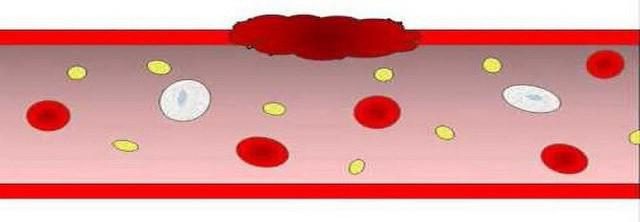
Platelets are tiny blood cell fragments responsible for clotting. When you get a cut or internal injury, they rush to the site and form a plug to stop bleeding.
Without enough platelets, this process breaks down. Even minor injuries can lead to prolonged bleeding. In severe cases, internal bleeding in the brain, lungs, or digestive tract can occur without any obvious trigger.
Platelet Count Ranges and When the Risk Becomes Dangerous
A normal platelet count ranges from 150,000 to 450,000 per microliter of blood.
- Below 150,000: Low (thrombocytopenia)
- Below 50,000: Increased bleeding risk during injury
- Below 20,000: Risk of spontaneous bleeding
- Below 10,000: Critical—high risk of life-threatening hemorrhage
Doctors use these thresholds to decide when urgent treatment is needed, including hospitalisation or transfusions.
Causes of Low Platelets and Underlying Health Conditions
Platelet levels can drop for several reasons:
- Bone marrow disorders (including leukemia)
- Viral infections (such as dengue, hepatitis, HIV)
- Autoimmune diseases (where the body destroys its own platelets)
- Medications like chemotherapy, antibiotics, or anti-seizure drugs
- Alcohol misuse and vitamin deficiencies (B12, folate)
Today’s Update (August 2026): Rising Viral-Linked Cases
Recent global health reports show a notable increase in viral infections linked to temporary thrombocytopenia, especially dengue outbreaks in parts of Asia and South America. Doctors are also seeing more post-viral platelet drops following seasonal infections, though most cases recover with monitoring.
Symptoms That Indicate Low or Dangerous Platelet Levels
Mild thrombocytopenia often has no symptoms. As levels drop, warning signs appear:
- Easy bruising
- Tiny red or purple spots (petechiae)
- Bleeding gums or frequent nosebleeds
- Prolonged bleeding from cuts
Severe symptoms include:
- Blood in urine or stool
- Heavy menstrual bleeding
- Severe headaches or confusion (possible brain bleeding)
These symptoms should never be ignored.
Complications and Life-Threatening Risks of Severe Thrombocytopenia
The biggest risk is uncontrolled internal bleeding.
- Intracranial hemorrhage (brain bleeding) can lead to death or permanent damage
- Gastrointestinal bleeding can cause severe blood loss
- Continuous bleeding from small injuries can lead to shock over time
In many cases, thrombocytopenia is not the only issue. It may be a sign of a deeper condition like cancer or bone marrow failure.
Diagnosis, Monitoring, and When to Seek Medical Help
Doctors diagnose thrombocytopenia using a complete blood count (CBC). If levels are low, further tests may include:
- Blood smear
- Bone marrow examination
- Infection screening
Seek immediate medical care if you notice:
- Unexplained bruising
- Persistent bleeding
- Signs of internal bleeding
2026 Clinical Insight
Healthcare providers are now using faster diagnostic screening tools in emergency settings, allowing quicker identification of dangerously low platelet counts. This has improved survival rates when treatment is given early.
Treatment Options and How Low Platelets Can Be Managed
Treatment depends on the cause and severity.
- Mild cases: Monitoring only
- Medication-related: Adjust or stop the drug
- Autoimmune causes: Steroids or immune therapy
- Severe cases: Platelet transfusions
Other approaches include treating infections, correcting deficiencies, and improving lifestyle habits like reducing alcohol intake.
Emerging Treatments (2026)
New therapies that stimulate platelet production, such as thrombopoietin receptor agonists, are being used more widely. These treatments are helping patients with chronic conditions avoid repeated transfusions.
Frequently Asked Questions (FAQ)
Can low platelets kill you?
Yes, but usually only in severe cases. The main danger is uncontrolled internal bleeding, especially in the brain or major organs.
What is a dangerously low platelet count?
Below 20,000 is considered severe. Below 10,000 is critical and requires urgent medical care.
Is thrombocytopenia always linked to cancer?
No. While it can be associated with cancers like leukemia, many cases are caused by infections, medications, or autoimmune conditions.
Do all cases require treatment?
No. Mild cases may only need monitoring. Severe cases require immediate medical intervention.
What are the earliest warning signs?
Easy bruising, nosebleeds, bleeding gums, and petechiae are common early symptoms.
You may also read:
Beyond the Throat: A UK Guide to Your Lingual Tonsils’ Role and Health
Saving, Editing, and Managing Screenshots Efficiently