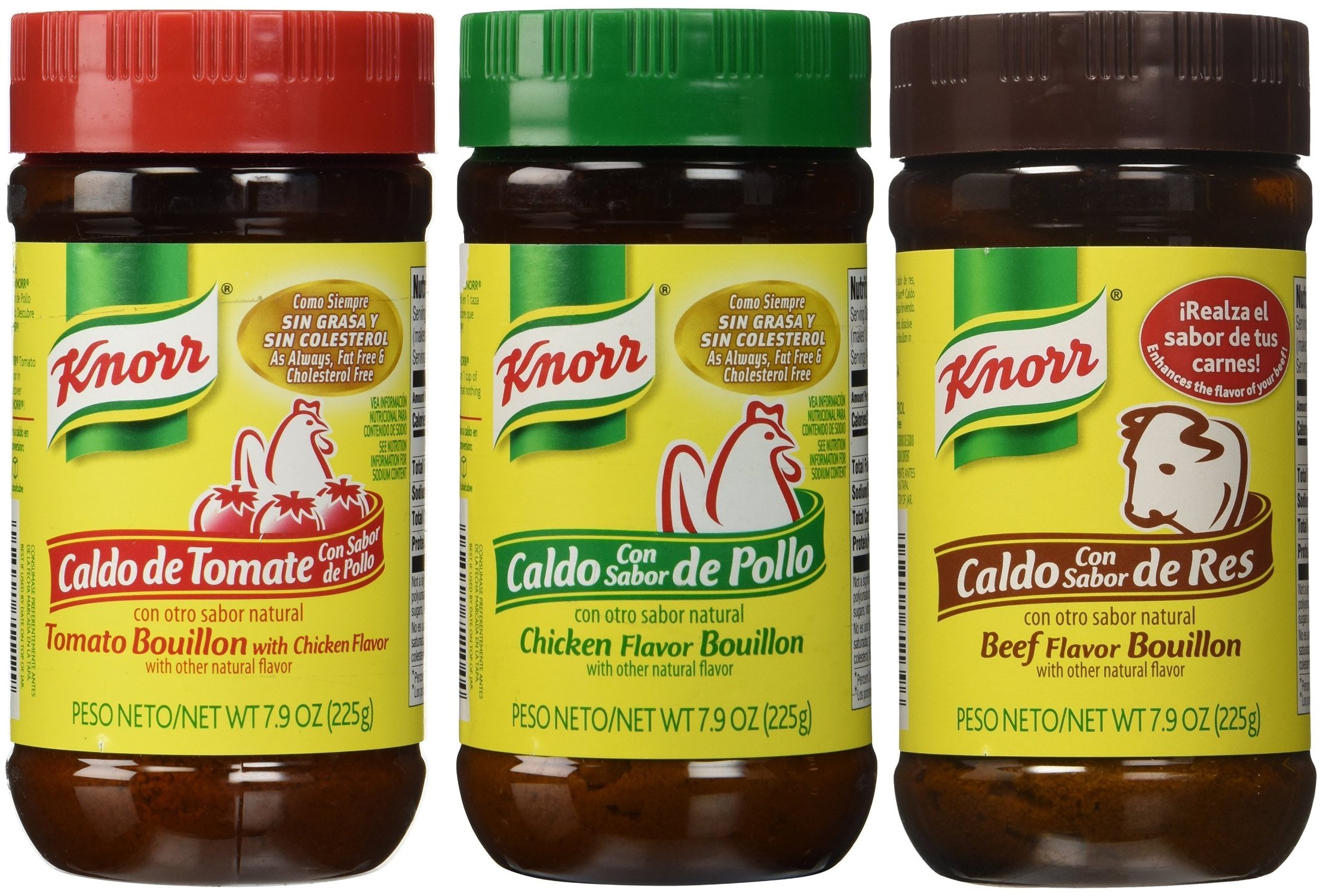
What Is Chicken Bouillon?
Chicken bouillon is a concentrated form of chicken flavor that is created by dehydrating chicken stock along with seasonings, salt, and sometimes fats or flavor enhancers. It is commonly sold in cubes, powder, granules, or paste form, making it an extremely convenient ingredient for home cooks and professional chefs. The main purpose of chicken bouillon is to provide instant savory depth to dishes without requiring hours of simmering bones and vegetables to make traditional stock.
In modern cooking, chicken bouillon is widely used as a shortcut ingredient that replaces homemade broth in recipes. It dissolves quickly in hot water and transforms into a flavorful liquid base for soups, stews, sauces, and rice dishes. Because of its long shelf life and strong taste, it has become a pantry staple in many kitchens around the world, especially for people who want consistent flavor without extra preparation time.
Chicken Bouillon vs Stock vs Broth
Chicken bouillon, chicken stock, and chicken broth are often confused, but they are not exactly the same. Chicken broth is typically made by simmering meat and vegetables in water for a short time, resulting in a lighter flavor. Chicken stock, on the other hand, is made by simmering bones for a longer period, which creates a richer and more gelatinous texture. Chicken bouillon is the most concentrated version, designed to replicate and intensify these flavors in a compact form.
The key difference lies in convenience and intensity. While broth and stock require preparation time and refrigeration, bouillon is shelf-stable and ready to use instantly. Many cooks prefer bouillon when they need quick results or consistent flavor in recipes. However, homemade stock is still preferred for dishes that require a deeper, more natural taste, especially in fine cooking or slow-simmered meals.
Types of Chicken Bouillon (Cubes, Powder, Paste, Granules)
Chicken bouillon comes in several forms, each designed for different cooking needs. Bouillon cubes are the most common and are designed to dissolve in hot water to create instant broth. Powdered bouillon is more flexible and can be directly sprinkled into dishes during cooking. Granules are similar to powder but slightly coarser, allowing easier measurement and controlled flavor adjustment in recipes.
Bouillon paste is the most concentrated form and is often preferred by chefs for its strong flavor and smooth blending ability. It dissolves quickly and evenly in liquids, making it ideal for sauces and slow-cooked dishes. Each type offers different levels of convenience, but all serve the same purpose of enhancing flavor without requiring homemade stock preparation.
How Chicken Bouillon Is Made
Chicken bouillon is produced by first creating a rich chicken stock using bones, meat, vegetables, and herbs. This stock is then simmered and reduced to intensify the flavor before being dehydrated. The dehydration process removes moisture while preserving the concentrated taste, resulting in a solid or powdered form that can be stored for long periods without refrigeration.
In industrial production, additional ingredients such as salt, starch, yeast extract, and flavor enhancers may be added to stabilize and enhance taste. The mixture is then shaped into cubes or processed into powder or granules. This manufacturing process allows bouillon to deliver consistent flavor across different brands and makes it an affordable and accessible cooking ingredient worldwide.
How to Use Chicken Bouillon in Cooking
Chicken bouillon is extremely versatile and can be used in a wide variety of recipes. The most common method is dissolving it in hot water to create instant chicken broth. This broth can then be used as a base for soups, stews, curries, and gravies. It can also be used to cook rice or pasta, adding a deeper savory flavor to simple dishes that would otherwise taste plain.
Beyond soups, bouillon can be added directly to sauces, marinades, and stir-fries to enhance umami taste. It is also useful in slow-cooked dishes where gradual flavor development is important. Many cooks adjust the quantity depending on the dish, as bouillon is highly concentrated and too much can make food overly salty. When used correctly, it acts as a powerful flavor booster that improves almost any savory recipe.
Chicken Bouillon Substitutes
There are several alternatives to chicken bouillon for people with dietary restrictions or those seeking a more natural option. Vegetable bouillon is a popular substitute that provides a similar savory base using plant-based ingredients. It works well in soups and stews and is suitable for vegetarians and vegans. Another option is homemade chicken stock, which offers a more natural and less processed flavor profile.
Other substitutes include miso paste, soy sauce, or concentrated broth reductions, depending on the recipe. These alternatives provide different flavor profiles but can still replace bouillon effectively in many dishes. Choosing the right substitute depends on dietary needs and the type of flavor desired, whether it is rich, salty, or umami-focused.
Nutritional Value and Health Considerations
Chicken bouillon is known for its strong flavor, but it is also important to consider its nutritional content. One of the main concerns is its high sodium level, which can contribute significantly to daily salt intake. Excess sodium consumption may lead to health issues such as high blood pressure, so it is recommended to use bouillon in moderation, especially for individuals with dietary restrictions.
Some bouillon products also contain additives like MSG or preservatives, which are safe for most people but may be avoided by those seeking cleaner ingredients. Healthier versions such as low-sodium or organic bouillon are widely available in the market. Homemade bouillon is another option for those who want full control over ingredients and nutritional content.
Best Practices, Storage, and Cooking Tips
To get the best results from chicken bouillon, it is important to store it properly in a cool, dry place away from moisture. Once opened, cubes and powders should be sealed tightly to preserve flavor and prevent clumping. Proper storage ensures long shelf life and maintains consistent taste quality over time, making it a reliable kitchen staple.
When cooking with bouillon, always start with a small amount and adjust according to taste. Since it is highly concentrated, overuse can overpower a dish. It is also helpful to dissolve bouillon fully in hot liquid before adding it to recipes to ensure even flavor distribution. Using it strategically can significantly enhance everyday meals without complicating the cooking process.
FAQs about Chicken Bouillon
Chicken bouillon is often asked about because many people are unsure how it compares to stock or broth, or how healthy it really is. In simple terms, bouillon is a concentrated seasoning made from dehydrated chicken stock and flavorings, used to quickly add depth to food. It is not the same as broth or stock, but it mimics their flavor in a more convenient form.
Common questions also include whether chicken bouillon is healthy, and the answer depends on usage and product type. While it can be high in sodium, moderate use is generally safe for most people. Another frequent question is whether it can be replaced in recipes, and the answer is yes—substitutes like vegetable stock, miso paste, or homemade broth work well depending on the dish. Understanding these basics helps cooks use bouillon more effectively in everyday cooking.
You may also read: Marmite Ingredients: What’s Inside This Savory Spread