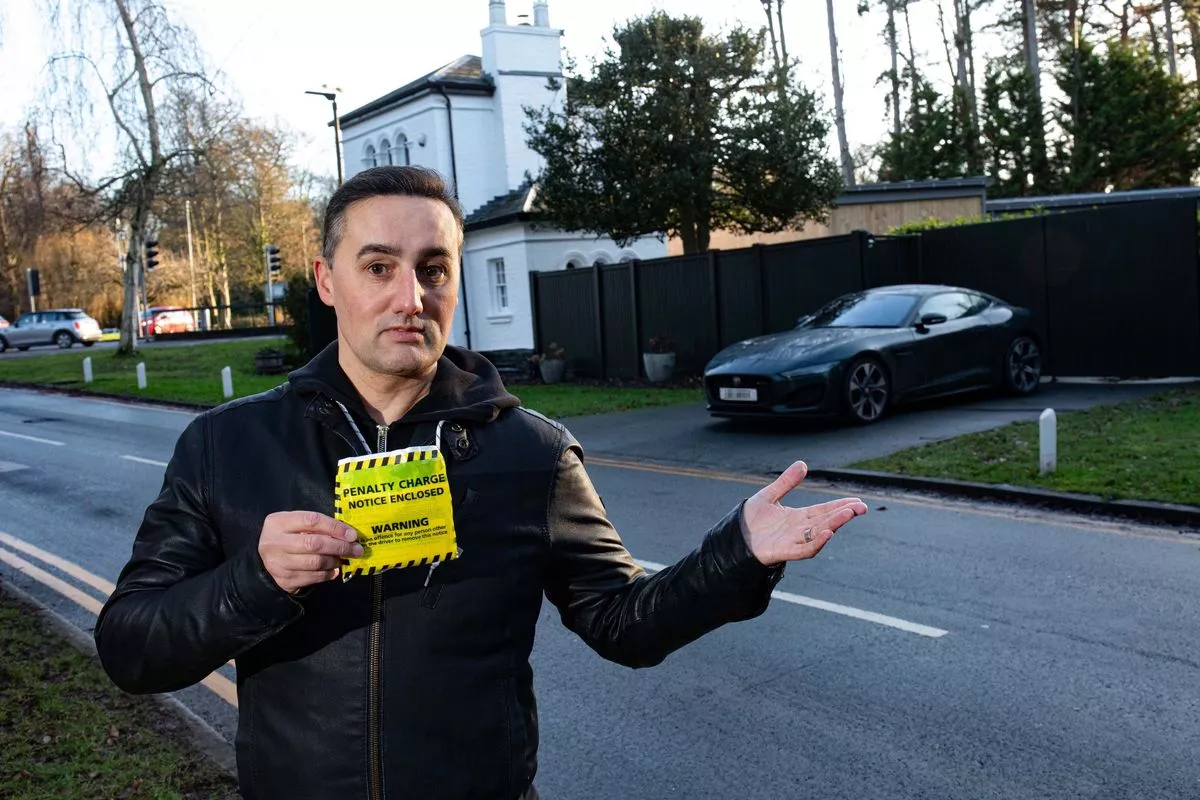
The David Miller parking fine has drawn national attention because it challenges a belief shared by many UK homeowners: that parking outside your own home is automatically allowed. When a resident receives a penalty for leaving a car in front of their own property, it feels confusing, unfair, and difficult to understand.
This case has become widely discussed not because of the £35 fine itself, but because it highlights how UK parking law often conflicts with everyday assumptions. The David Miller parking fine shows how land ownership, council enforcement powers, and technical parking rules can affect ordinary households, sometimes without warning.
Who David Miller Is and Why This Case Matters
David Miller is a homeowner in Chester who had routinely parked outside his property for many years without issue. Like many residents, he believed the area outside his gate formed part of his driveway or was at least acceptable for parking, given the absence of previous enforcement.
The reason the David Miller parking fine matters is its wider relevance. Thousands of UK homes are positioned along roads, access strips, or tarmac sections that appear private but are legally controlled by local authorities. This case has forced many homeowners to question whether their own parking habits are actually compliant with the law.
What Happened When the Parking Fine Was Issued
The situation escalated when David Miller parked outside his home overnight and later discovered a £35 parking fine attached to his vehicle. The fine was issued without any prior warning, despite years of parking in the same location.
What made the David Miller parking fine particularly contentious was the lack of clarity. From the homeowner’s perspective, nothing had changed. From the council’s perspective, enforcement was being applied to land already subject to parking restrictions. This disconnect between expectation and enforcement sits at the heart of the dispute.
Why Parking Outside Your Own Home Is Not Always Legal

Many UK residents assume that parking outside their own home is permitted by default. In reality, most residential roads, pavements, and verges are owned or “adopted” by the local council, even when they sit directly in front of private property.
The David Miller parking fine demonstrates that long-term use does not create legal permission. Even if a resident has parked in the same spot for years, councils retain the authority to enforce parking rules if the land falls within regulated highway boundaries.
Council-Owned Land and Parking Enforcement Powers
Local councils manage parking through legal instruments such as Traffic Regulation Orders (TROs). These orders define where parking is restricted and how enforcement should be carried out. Importantly, restrictions often extend beyond the visible road surface.
In cases like the David Miller parking fine, councils argue that parking controls can apply from the centre of the road up to the property boundary. This means vehicles can be fined even when parked on tarmac or access strips that appear to serve a single household.
The Dropped Kerb Issue Explained
A key point raised in discussions about the David Miller parking fine is the presence of a dropped kerb. Dropped kerbs allow vehicles to access driveways, but they do not automatically indicate private ownership of the land beyond them.
Many drivers believe a dropped kerb creates a legal break in parking restrictions. In practice, councils often maintain that dropped kerbs do not override double yellow lines or TROs. This technical distinction is one of the most common sources of confusion in residential parking disputes.
Why Enforcement Can Start After Years Without Fines
One of the most frustrating aspects of the David Miller parking fine is that enforcement began after years of apparent tolerance. Councils frequently state that previous non-enforcement does not amount to permission.
Enforcement patterns can change due to staffing, policy reviews, or complaints from residents. While this may be legally valid, it often feels unfair to homeowners who have parked in the same location for long periods without any indication that it was prohibited.
Public Reaction and Wider Concerns
The David Miller parking fine prompted strong reactions across the UK. Many people expressed concern that they could face similar penalties outside their own homes. Others argued that clear rules must apply equally, regardless of how long a space has been used.
This divide highlights a broader issue: parking rules are often poorly communicated. When enforcement begins without clear explanation, trust between councils and residents can quickly erode.
How Parking Appeals Work in the UK
Motorists who receive a parking fine have the right to appeal. Appeals typically begin with an informal challenge to the council, followed by a formal appeal if the initial request is rejected.
In cases like the David Miller parking fine, appeals may focus on unclear signage, boundary definitions, or whether enforcement was proportionate. While success is not guaranteed, many drivers are unaware that they can challenge fines and request detailed justification from the issuing authority.
How Homeowners Can Check If Land Is Council-Owned
To avoid situations like the David Miller parking fine, homeowners should verify who owns the land outside their property. This can be done by reviewing property deeds, checking local council highway adoption maps, or contacting the council directly.
Understanding whether an area is adopted highway land is crucial. Visual appearance alone is unreliable, and many disputes arise because boundaries are not obvious on the ground.
Practical Steps to Avoid Similar Parking Fines
Homeowners can take practical steps to reduce the risk of unexpected fines. These include reviewing local TROs, checking for recent changes to enforcement, and ensuring signage is clearly understood.
The David Miller parking fine serves as a reminder that proactive checks are far easier than dealing with penalties after the fact. When in doubt, seeking written clarification from the council can provide protection against future disputes.
Why This Case Has National Relevance
Although the fine itself was modest, the David Miller parking fine has national relevance because it exposes a widespread misunderstanding of residential parking law. Many people rely on habit and common sense, but councils rely on legal definitions.
This case has highlighted the need for clearer communication and better public understanding of how parking rules apply outside private homes. Without this clarity, similar disputes are likely to continue.
Conclusion on the David Miller Parking Fine
The David Miller parking fine illustrates how everyday routines can clash with local authority rules. Parking outside a home may feel reasonable, but legal ownership and enforcement powers often tell a different story.
For UK homeowners, the lesson is clear. Do not assume long-standing parking habits are protected. Understanding local parking regulations, checking land ownership, and staying informed are essential steps to avoid unexpected penalties and disputes.
FAQs About the David Miller Parking Fine
What is the David Miller parking fine about?
It involves a homeowner who received a £35 parking fine for parking outside his own home on land controlled by the local council.
Can councils fine residents for parking outside their homes?
Yes, if the land is council-owned or adopted highway land and subject to parking restrictions.
Does parking outside your house give you legal rights?
No. Long-term use does not create legal entitlement if the land is not privately owned.
Can a parking fine like this be appealed?
Yes. Motorists can appeal if they believe the fine was issued incorrectly or without proper justification.
How can homeowners avoid similar fines?
By checking land ownership, reviewing Traffic Regulation Orders, and seeking clarification from the local council when unsure.
You may also read: full list of apprentice candidates for 2026