Damp homes and persistent humidity are common challenges across the UK, especially during wet winters and autumns. High moisture levels can lead to mould growth, condensation on windows, musty odours, and even structural damage if left unchecked. For UK homeowners, a dehumidifier is not just a convenience—it’s an essential tool for maintaining a healthy and comfortable living environment.
From small apartments to large family homes, the right dehumidifier reduces indoor humidity, improves air quality, and protects both your property and health. In this guide, we’ll review the top 10 dehumidifiers available in the UK in 2026, explain the different types, highlight key features, and provide practical tips to help you choose the best model for your home.
Why Every UK Home Can Benefit from a Dehumidifier
A dehumidifier works by removing excess moisture from the air, maintaining optimal indoor humidity levels (typically between 40% and 60%). Excess humidity can trigger respiratory issues, worsen allergies, and encourage dust mites and mould growth—common problems in older UK homes or properties with poor ventilation.
In addition to improving air quality, a dehumidifier protects furniture, flooring, and electronics from moisture damage. Condensation on windows, damp patches on walls, or black mould along skirting boards are all signs your home could benefit from a quality dehumidifier.
Modern units offer features such as laundry drying modes, automatic humidity control, and energy-saving settings, making them versatile and efficient. Whether you’re looking to protect your home, speed up drying clothes indoors, or simply create a healthier living space, a dehumidifier is an investment that pays off year-round.
Top 10 Dehumidifier Models in the UK (2026)
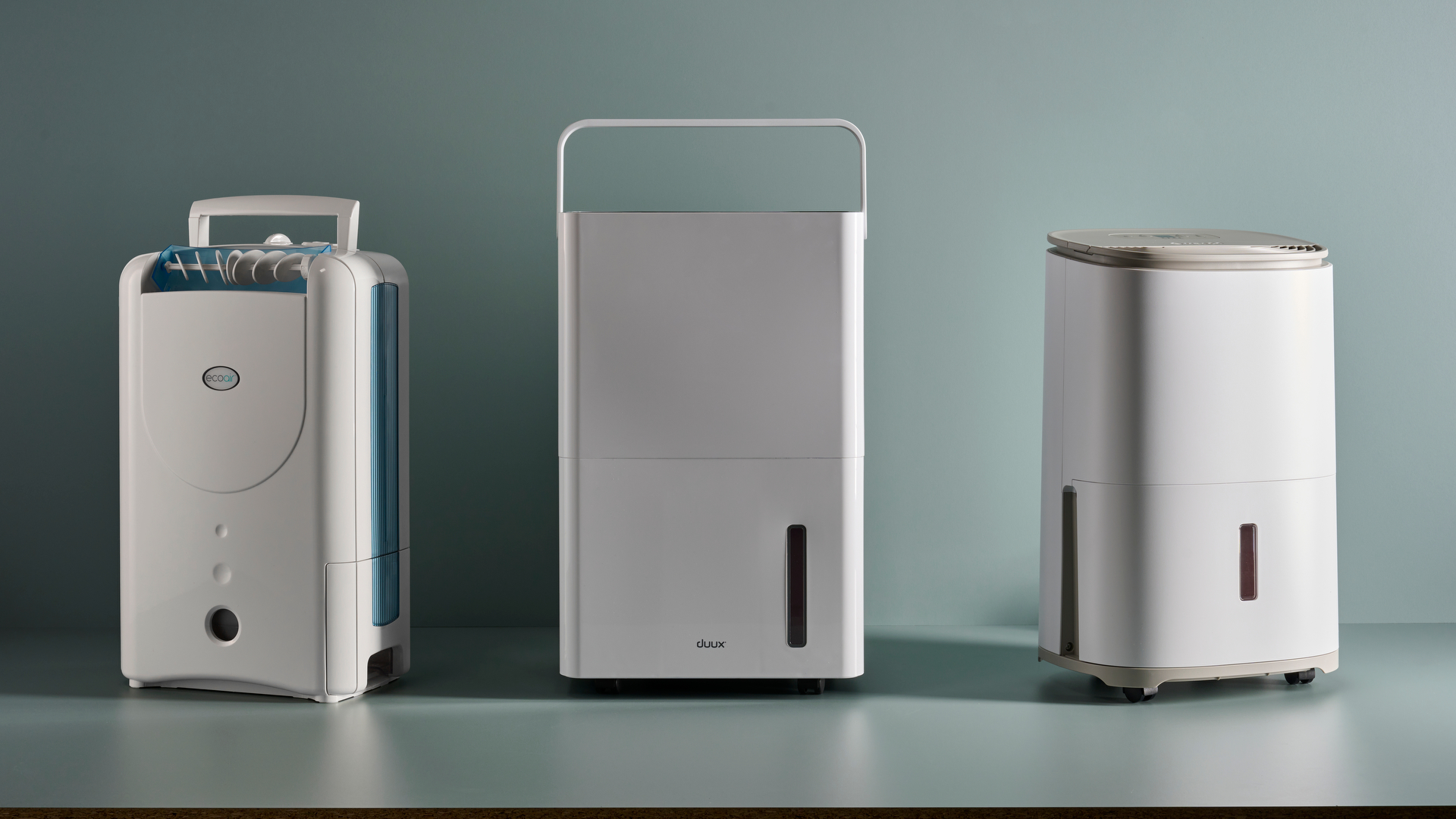
Selecting the right dehumidifier depends on room size, type, and intended use. Here are the best-performing models available in 2026:
1. Meaco Arete One 20L
- Type: Refrigerant
- Coverage: Medium to large rooms
- Key Features: Laundry mode, energy-efficient, ultra-quiet operation
- Why Choose It: Trusted UK brand, reliable for family homes and persistent damp
2. Ebac 4650 18L
- Type: Refrigerant
- Coverage: Large rooms and cold spaces
- Key Features: Frost protection, durable construction, auto-shutoff
- Why Choose It: Excellent for unheated rooms and long-term reliability
3. ElectriQ 20L Smart
- Type: Refrigerant
- Coverage: Medium rooms
- Key Features: Wi-Fi control, smart humidity sensors, stylish design
- Why Choose It: Ideal for tech-savvy households wanting automated control
4. Pro Breeze 12L Compact
- Type: Refrigerant
- Coverage: Small rooms, bedrooms
- Key Features: Lightweight, budget-friendly, simple controls
- Why Choose It: Perfect for flats, student rooms, or temporary damp solutions
5. Russell Hobbs 16L
- Type: Refrigerant
- Coverage: Medium rooms
- Key Features: Quiet, efficient, easy maintenance
- Why Choose It: Reliable, affordable option for everyday use
6. Currys Exclusive Range
- Type: Mixed
- Coverage: Small to large rooms
- Key Features: Special deals, warranty options, varied capacities
- Why Choose It: Convenient with retailer support and exclusive offers
7. Argos Everyday Dehumidifiers
- Type: Mixed
- Coverage: Small to medium rooms
- Key Features: In-store availability, affordable pricing, simple designs
- Why Choose It: Easily accessible for everyday UK household use
8. Desiccant Dehumidifier Units
- Type: Desiccant
- Coverage: Cold or unheated spaces (garages, lofts, conservatories)
- Key Features: Silent, effective in low temperatures, energy-efficient in winter
- Why Choose It: Essential for cold climates and winter months
9. Car Dehumidifiers
- Type: Portable, small capacity
- Coverage: Vehicle interiors
- Key Features: Reduces condensation, prevents foggy windows
- Why Choose It: Ideal for cars prone to damp and condensation
10. Small Room Dehumidifiers
- Type: Refrigerant or desiccant
- Coverage: Cupboards, bathrooms, wardrobes
- Key Features: Compact, portable, easy to use
- Why Choose It: Perfect for targeted moisture control in confined spaces
Tip: Always match dehumidifier capacity with room size. For example, a 20L unit typically covers 50–60 m², while 10L units are better suited for single rooms.
Desiccant vs Refrigerant: Choosing the Right Type
Understanding the difference between desiccant and refrigerant dehumidifiers is crucial:
Desiccant Dehumidifiers:
- Use moisture-absorbing material to remove humidity
- Operate quietly and efficiently in low temperatures
- Ideal for garages, lofts, or unheated rooms
Refrigerant Dehumidifiers:
- Use a compressor to condense water from warm air
- More energy-efficient in heated rooms
- Suitable for bedrooms, kitchens, living rooms
Pro Tip: For UK homes, refrigerant units are often best for general indoor use, while desiccant units excel in colder, unheated areas during winter.
How to Choose the Best Dehumidifier for Your UK Home
- Room Size & Capacity
- Calculate the room area in m² and choose a unit rated for that size. Over- or underestimating can reduce efficiency.
- Energy Efficiency
- Look for units with low kWh consumption or eco-modes. Energy-efficient models save on electricity costs over time.
- Noise Levels
- Bedroom or living room units should operate under 40–45 dB for quiet use.
- Portability
- Wheels or handles make moving the unit between rooms easier.
- Special Features
- Laundry drying mode
- Smart humidity sensors and timers
- Auto-shutoff for safety and convenience
- Maintenance
- Consider how easy it is to clean filters, empty tanks, or connect to an external drain.
Using a Dehumidifier Effectively
To get the best performance:
- Place the unit a few inches from walls and furniture to allow airflow
- Empty the water tank regularly
- Use laundry mode for faster indoor drying of clothes
- Combine with natural ventilation or extractor fans for maximum humidity control
Proper placement and maintenance extend the life of your dehumidifier and improve overall air quality in your home.
Where to Buy Dehumidifiers in the UK
- Retailers: Argos and Currys offer a wide selection with warranties and in-store pickup
- Online: Amazon provides competitive pricing and user reviews
- Brand Websites: Meaco, Ebac, and ElectriQ often have exclusive deals
- Short-Term Use: Dehumidifier hire is an option during renovations or temporary damp issues
FAQs About Dehumidifiers
Q: Can I leave a dehumidifier on overnight?
Yes, most modern units have automatic humidity control and safety shutoffs for continuous use.
Q: How much energy does a 20L dehumidifier use?
It varies, but typically around 0.3–0.5 kWh per hour, depending on the model and room conditions.
Q: Will a dehumidifier prevent mould?
Keeping humidity below 60% helps prevent mould and damp patches.
Q: Are portable dehumidifiers effective?
Yes, for small rooms, bathrooms, or cars. They are convenient and energy-efficient.
Q: How often should I clean my dehumidifier?
Clean filters monthly, empty the water tank weekly, and perform maintenance every 3–6 months.
Final Thoughts
A dehumidifier is an essential tool for UK homes to combat damp, mould, and condensation. From high-performance units like the Meaco Arete One 20L to compact, portable options, there’s a model suitable for every space. By choosing the right capacity, understanding the type of unit, and following placement and usage tips, you can improve air quality, protect your home, and enjoy a comfortable, healthy environment year-round.
Investing in the right dehumidifier now saves money, reduces health risks, and keeps your home fresh through even the dampest British winters.difier discounts, especially in November.
You may also read: What is Hire and Reward Insurance?