Every year, thousands of people from the UK fly abroad for dental treatment, and Turkey — Istanbul in particular — has become one of the most popular destinations, only a four-hour flight from London. The appeal is easy to understand: treatment is often far more affordable than at home, appointments come quickly, and you can combine it with a few days in one of the world’s great cities.
But good dental tourism is not about finding the cheapest smile makeover. It is about finding a dentist who treats your teeth the way a careful dentist at home would — only sooner, and at a price you can manage. This guide explains what to check before you book, and the questions worth asking on your very first call.
Why so many people look abroad
For many patients the decision starts with a quote. Crowns, implants or a full set of veneers add up quickly in private practice, and finding an NHS dentist with space for new patients can take months. Turkey has a large number of well-equipped private clinics, many dentists with international training, and a dental industry used to treating foreign patients.
The lower cost is mostly about lower operating costs and exchange rates, not about using different materials. Good clinics use the same implant systems, ceramics and composites you would find in Western Europe. That is exactly why the questions below matter: when the price difference is not the issue, the quality of the plan is what separates a good outcome from a regret.
The “Turkey teeth” problem — and why less is often more
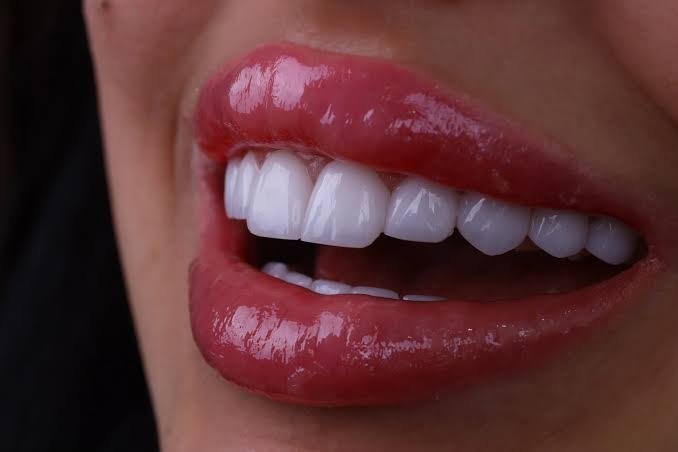
You have probably seen the phrase “Turkey teeth”: very white, very uniform smiles, often created by filing healthy teeth down to small pegs and covering them with crowns. Dentists in the UK have spoken publicly about patients coming home with sensitive teeth, gum problems or nerve damage after aggressive treatment like this.
The problem is not the country. It is a treatment model that sells a look instead of solving a problem. Healthy enamel cannot grow back. Once it is removed, those teeth will need crowns for the rest of your life, and each replacement costs time and money.
A good dentist starts from the opposite direction: what is the least invasive way to get a natural, healthy, long-lasting result? Sometimes that is composite bonding or composite veneers applied without cutting the teeth at all. Sometimes it is a few well-made crowns in natural monolithic zirconia, which is strong and looks like real teeth rather than a white wall. And sometimes it is simply fillings, a clean and whitening. Dental work is more than a Hollywood smile.
Seven things to check before you book
1. Who will actually treat you. Ask for the name of the dentist, their qualifications and how many years they have practised. Be wary if you only ever speak to a “patient coordinator”.
2. A written treatment plan before you travel. Send clear photos or a recent X-ray and ask for a written plan: which teeth, which procedure, which material and why. If a clinic recommends 20 crowns without examining you, that is a red flag.
3. Named materials. Ask which implant brand, which ceramic or zirconia, and which composite will be used. A good clinic will answer without hesitation.
4. How much healthy tooth will be removed. Ask directly whether your teeth will be cut, and whether a minimally invasive option exists. Patients considering dental care in Turkey should feel free to say no to anything that sounds like more treatment than they need.
5. A realistic schedule. Fillings and composite work can take a few days; crowns and porcelain veneers usually about a week; implants normally need two visits a few months apart. Be cautious of anyone promising permanent implant teeth in a weekend.
6. Aftercare and guarantees. What happens if a crown chips after you fly home? Ask for the guarantee in writing, and how follow-up works — by video call, with a local dentist, or on a return visit.
7. Reviews you can verify. Look for reviews on independent platforms such as Google, with real names and details, and before-and-after photos published with patient consent. Video testimonials are even better.
Questions to ask on your first call
Will the same dentist examine me, plan the treatment and carry it out?
Which of my teeth can be saved, and what is the most conservative option?
Which materials will you use, and how long should they last?
How many days do I need to stay, and how many appointments will there be?
What exactly is included in the written quote?
What happens if something goes wrong after I return home?
If the answers are clear, specific and written down, you are probably talking to the right people. If you are pushed to decide quickly or offered a discount for booking today, take a step back.
Is dental treatment in Turkey right for you?
For many people it is an excellent choice: experienced dentists, modern clinics, shorter waiting times and treatment that is genuinely more affordable. The key is to choose a clinic for the quality of its thinking, not the whiteness of its marketing photos.
The best outcome is not the most dramatic before-and-after. It is a healthy mouth, a natural smile that still looks like you, and teeth that last for decades — with as much of your own tooth kept as possible. Take your time, ask questions, and choose the dentist who is happy to answer them.