As electric vehicles continue gaining popularity across the United States, buyers are asking more technical and practical questions before making a purchase. One of the most common is straightforward yet important: Do the Driving Modes in Cadillac Lyriq Offer Different Ranges or Battery Usages? For drivers commuting daily, traveling across state lines, or navigating changing weather conditions, understanding this answer helps set realistic expectations.
The Cadillac LYRIQ is built on General Motors’ advanced Ultium platform and uses an approximately 102 kWh battery pack. EPA estimates rate the rear-wheel-drive model at around 326 miles of range, while the all-wheel-drive version is rated slightly lower at about 319 miles. However, official ratings only tell part of the story. Real-world efficiency depends heavily on speed, terrain, temperature, and driver behavior, including the selected driving mode.
How Driving Modes Function in the Cadillac LYRIQ
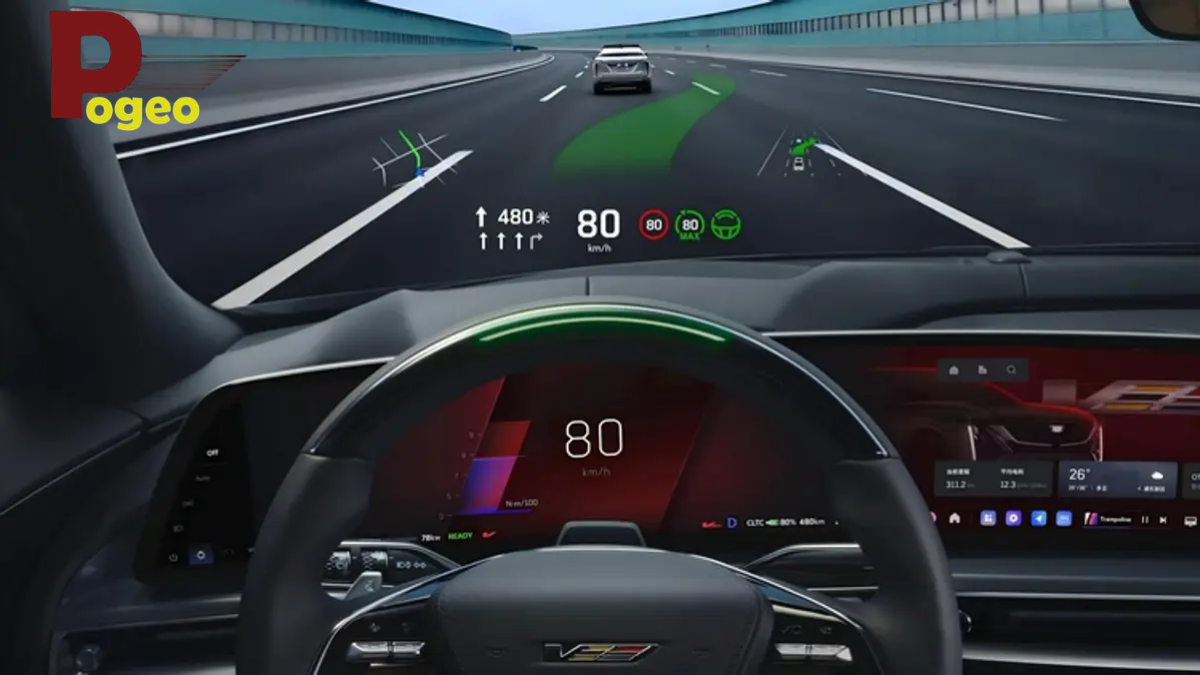
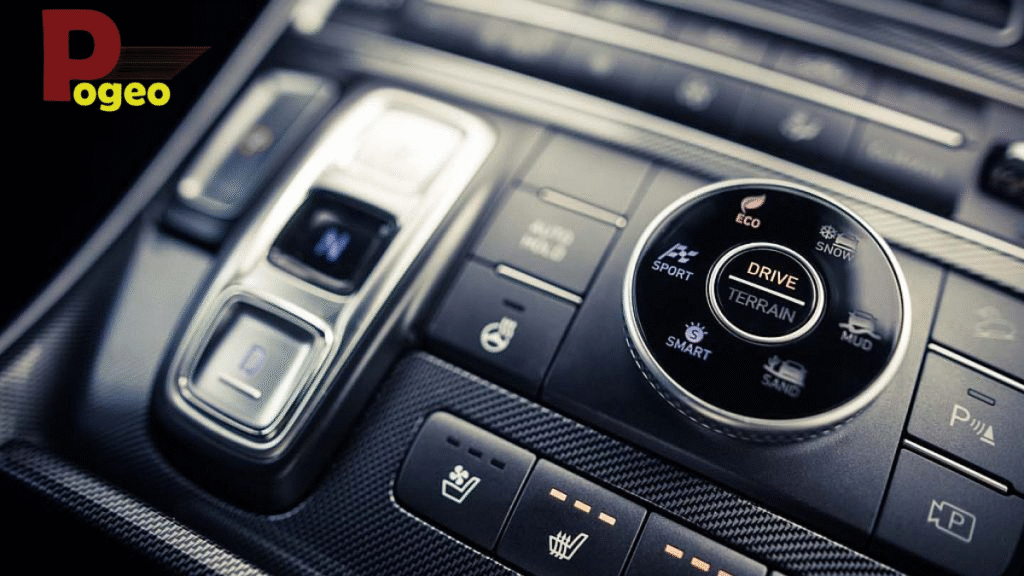
Driving modes in the LYRIQ adjust software-based vehicle characteristics rather than mechanical components. Tour mode emphasizes balanced performance and smooth acceleration. Sport mode sharpens throttle response and steering feel, delivering quicker torque delivery. Snow or Ice mode optimizes traction control and power distribution for slippery road conditions common in northern states.
Importantly, these modes do not change the battery’s physical capacity or chemistry. The 102 kWh battery remains constant regardless of selection. What changes is how power is requested and delivered. Because electric motors respond instantly to throttle input, small differences in pedal calibration can influence short-term energy draw, which in turn affects overall consumption patterns.
Direct Answer: Do the Driving Modes in Cadillac Lyriq Offer Different Ranges or Battery Usages?
Yes, but the difference is primarily behavioral rather than structural. Driving modes influence how aggressively power is delivered. If a driver uses Sport mode and accelerates more rapidly, battery usage will increase. If the same driver uses Tour mode and accelerates smoothly, consumption typically decreases.
Under similar driving habits, however, the range difference between modes is usually modest. In most real-world U.S. scenarios, efficiency variation caused strictly by mode selection often falls within an estimated 5 to 10 percent range. Factors such as sustained highway speed or extreme weather frequently have a larger impact than the selected driving profile alone.
City Driving: Where Mode Differences Are Most Noticeable
Urban driving environments create frequent acceleration and braking cycles. In cities like Seattle, Chicago, or Miami, stop-and-go traffic provides many opportunities for regenerative braking to recover energy. Tour mode’s smoother throttle mapping often helps drivers maintain steady acceleration, which can support efficient battery usage during daily commutes.
Sport mode, while responsive and engaging, can encourage quicker launches from traffic lights. If acceleration becomes aggressive, energy demand increases because higher torque requires greater electrical output. However, when driven moderately, even Sport mode does not drastically reduce range in urban conditions. Driver discipline plays a more decisive role than software configuration.
Highway Driving and Interstate Speeds
On American interstates, aerodynamic drag becomes the dominant efficiency factor. At speeds above seventy miles per hour, air resistance increases exponentially, requiring more continuous power from the battery. In these conditions, sustained speed typically affects range more than mode selection.
For example, maintaining a steady 75 mph cruise in either Tour or Sport mode will likely produce similar consumption rates. Rapid acceleration to pass slower vehicles, regardless of mode, increases energy draw. This illustrates that highway efficiency depends more on speed stability than on throttle calibration differences between modes.
Regenerative Braking and One-Pedal Driving Impact
Regenerative braking converts kinetic energy back into stored battery power during deceleration. The LYRIQ allows adjustable regenerative behavior and supports one-pedal driving, where lifting off the accelerator slows the vehicle while recovering energy. This system is particularly effective in urban environments.
While regenerative braking improves overall efficiency, it does not create dramatic range extensions on its own. Instead, it gradually offsets some energy lost during acceleration. Drivers who anticipate traffic flow and minimize sudden braking typically gain the most efficiency benefits, regardless of whether Tour or Sport mode is active.
Estimated Real-World Efficiency Differences
To better illustrate how driving modes affect consumption, consider a practical example. If a LYRIQ averages approximately 32 kWh per 100 miles in balanced driving conditions, aggressive acceleration in Sport mode could increase usage closer to 35 kWh per 100 miles. That change may reduce total range by several miles over a full charge.
However, a steady highway cruise at moderate speeds may keep energy usage consistent across both modes. In such cases, switching modes alone does not automatically increase consumption. The key variable remains how often and how forcefully the accelerator is applied during the drive.
Weather and Climate Influence on Battery Usage
Temperature has a measurable impact on electric vehicle efficiency. In colder climates, battery systems use additional energy to maintain optimal operating temperature. Cabin heating also increases overall consumption. These factors can reduce available range more noticeably than switching between driving modes.
In hot regions such as Arizona or Nevada, heavy air conditioning usage similarly draws power from the battery. Extreme temperatures in either direction may influence range by a greater margin than throttle calibration differences. Understanding seasonal changes is essential when evaluating overall efficiency expectations.
All-Wheel Drive Versus Rear-Wheel Drive Considerations
Rear-wheel-drive LYRIQ models generally achieve slightly higher EPA-rated range due to lower overall system weight and reduced drivetrain complexity. All-wheel-drive versions provide improved traction and enhanced acceleration but require additional energy to power the second motor.
Driving modes function similarly in both configurations. However, AWD models may show marginally higher consumption during aggressive acceleration because both motors contribute torque. Even so, differences remain relatively moderate under steady driving conditions.
Does Switching Modes Mid-Drive Change Efficiency?
Switching between Tour and Sport while driving does not harm the vehicle or alter battery chemistry. The transition is controlled by software adjustments that recalibrate throttle sensitivity and steering feel. Efficiency changes only if driving behavior changes after the switch.
If a driver activates Sport mode but continues driving smoothly, consumption may remain stable. Conversely, selecting Tour mode does not guarantee efficiency gains if acceleration remains aggressive. Mode selection influences potential behavior, but the driver ultimately determines energy usage patterns.
Long-Term Battery Health and Driving Modes
Modern EV battery management systems actively regulate temperature, voltage, and discharge rates to protect long-term durability. Occasional spirited driving in Sport mode does not meaningfully degrade battery health when the system operates within its engineered limits.
Consistently aggressive driving may increase thermal load slightly, but built-in cooling systems are designed to handle typical performance demands. Overall battery longevity is more closely related to charging habits and environmental conditions than to occasional use of specific driving modes.
Final Verdict for U.S. Drivers
So, Do the Driving Modes in Cadillac Lyriq Offer Different Ranges or Battery Usages? The most accurate answer is that they can influence consumption, but primarily through driver behavior rather than direct mechanical changes. Tour mode generally supports smoother, more efficiency-focused driving, while Sport mode allows quicker power delivery that may increase usage if driven aggressively.
For most American drivers, sustained highway speeds, climate conditions, vehicle load, and acceleration habits will have a larger impact on total range than the selected driving mode alone. The Cadillac LYRIQ provides flexibility to balance comfort and performance without causing dramatic efficiency swings. By maintaining steady speeds, anticipating traffic flow, and moderating acceleration, drivers can confidently maximize real-world range while still enjoying the dynamic capabilities of this premium electric SUV.
You may also read: How to Access Covatza3.9 Free Trial