The Audi Q7 2025 still feels like one of the smartest large SUV choices in the UK right now — but here’s the twist: in 2026, it’s facing tougher competition than ever, and Audi has quietly refined its edge. Buyers aren’t just looking for luxury anymore. They want smarter tech, better efficiency, and future-proof features.
That’s exactly where the Q7 continues to hold its ground. It hasn’t reinvented itself — but it hasn’t needed to.
What’s new in the 2025 Audi Q7
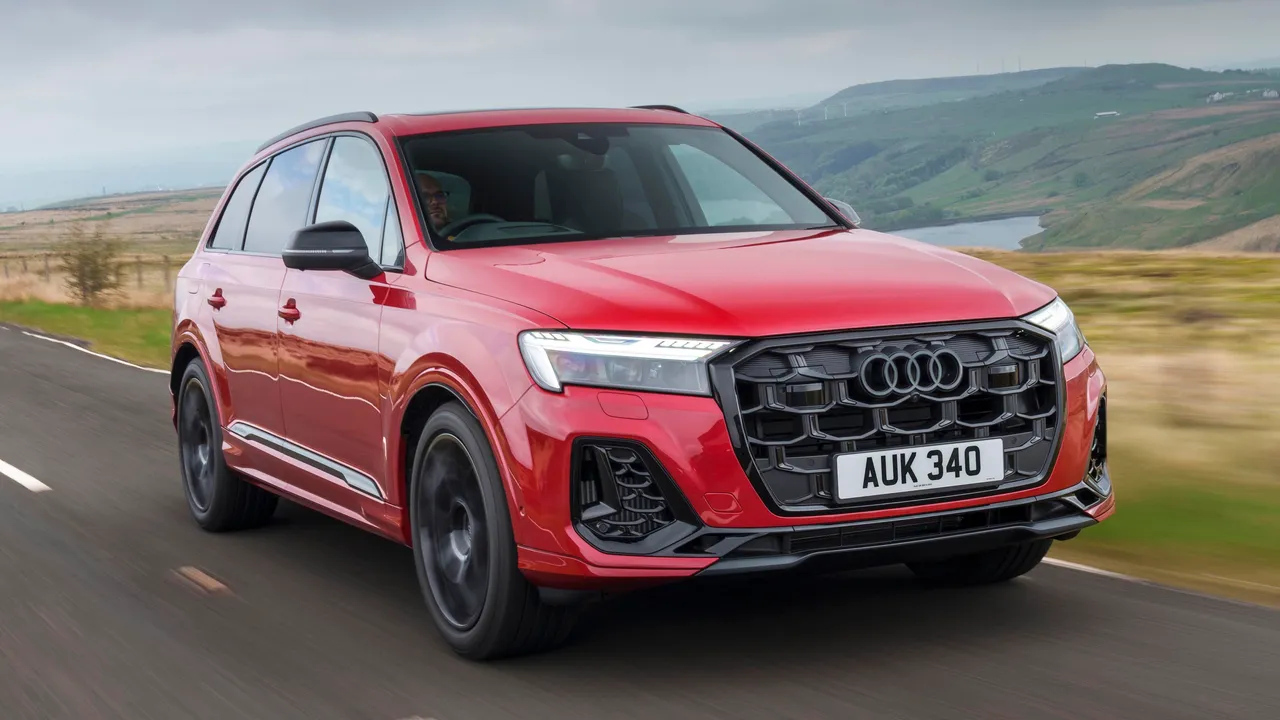
The 2025 Audi Q7 2025 features subtle yet meaningful design upgrades that sharpen its presence on UK roads. A revised Singleframe grille, updated bumpers, and new matrix LED headlights with animated indicators give it a more modern, assertive look.
Inside, Audi’s updated MMI system feels noticeably quicker. The interface is cleaner, with improved voice control and smoother smartphone integration.
Today’s Update (August 2026)
In 2026, Audi has focused heavily on software optimisation rather than hardware changes. Over-the-air updates now improve infotainment responsiveness and navigation accuracy, keeping the Q7 competitive without requiring a full redesign.
There’s also growing attention around Audi’s shift toward electrification, meaning the Q7 sits in a transitional sweet spot — offering traditional power with modern digital polish.
Audi Q7 2025 price and model range in the UK
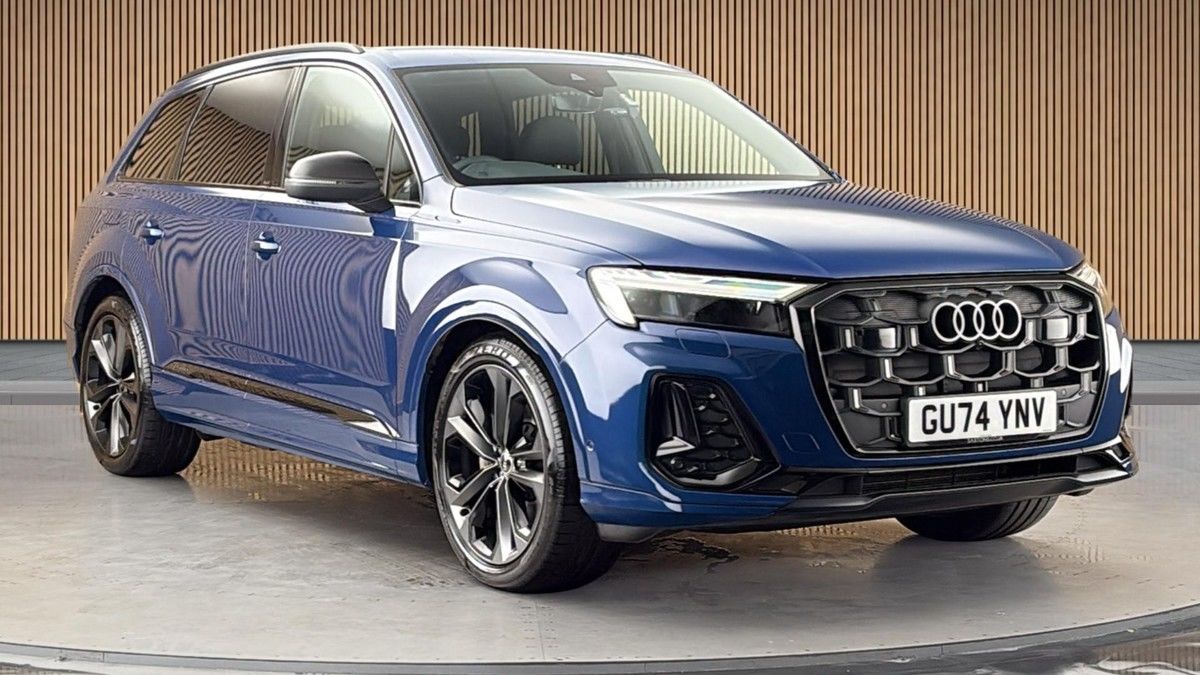
Pricing in the UK still starts at around £65,000, climbing beyond £85,000 for trims like Black Edition and Vorsprung.
Standard kit remains strong, including large alloy wheels, leather upholstery, and a high-resolution infotainment setup.
Today’s Update (August 2026)
UK buyers in 2026 are seeing slight price adjustments due to inflation and demand for premium SUVs, with well-specced models now commonly edging closer to £70,000+ on the road.
Despite that, the Q7 still undercuts some rivals when matched for equipment, especially against the BMW X5 and Mercedes-Benz GLE.
Power, engines and driving experience
The Q7 continues with its proven engine lineup:
- 3.0-litre V6 diesel (50 TDI)
- 3.0-litre V6 petrol (55 TFSI)
Both include mild-hybrid tech to improve efficiency.
The diesel remains the go-to for long motorway journeys, offering strong torque and better fuel economy. The petrol version is smoother and quicker off the mark, hitting 0–62 mph in under 6 seconds.
On the road, the Q7 feels stable and composed. Adaptive air suspension smooths out rough UK roads, while Quattro all-wheel drive keeps grip levels high in poor weather.
Today’s Update (August 2026)
Fuel efficiency is under more scrutiny than ever. UK drivers are increasingly comparing the Q7 with plug-in hybrids and EVs like the Volvo XC90 Recharge.
Audi hasn’t added a new hybrid variant for 2025, but demand is clearly shifting. Buyers choosing the Q7 today are prioritising refinement and reliability over full electrification.
Audi Q7 interior and passenger comfort
The Q7’s cabin remains one of its strongest selling points.
It’s a genuine 7-seater with usable third-row space for short trips. The second row slides and reclines, making it ideal for families.
Material quality is excellent. Soft-touch surfaces, brushed aluminium, and high-grade leather give it a premium feel throughout.
The Virtual Cockpit remains a highlight, offering crisp, customisable displays right in front of the driver.
Today’s Update (August 2026)
Audi’s interior tech still holds up well, but competitors are catching up fast. Some rivals now offer larger curved displays and fewer physical buttons.
Even so, many UK buyers still prefer the Q7’s clean, structured layout over more experimental designs.
Safety and technology enhancements
Safety remains a key strength.
Standard features include:
- Audi Pre Sense
- Lane departure warning
- Adaptive cruise control
- Parking sensors and reversing camera
Optional upgrades add night vision and a 360-degree camera system.
The Q7 continues to be built on a strong safety platform, maintaining its reputation as a dependable family SUV.
Today’s Update (August 2026)
Driver assistance systems have become a major buying factor. Audi has refined its software to improve lane-keeping accuracy and adaptive cruise smoothness, making long motorway drives less tiring.
There’s also increased focus on semi-autonomous driving features, although full autonomy is still not available.
Audi Q7 used models – worth considering?
Used Q7 models remain a strong alternative.
UK prices typically range from £25,000 to £45,000 depending on age, mileage, and condition.
Older models still deliver space, comfort, and solid performance.
Today’s Update (August 2026)
The used market has become more competitive. Demand for large SUVs remains high, which is keeping resale values stable.
Buyers are now paying closer attention to tech differences between model years, especially infotainment speed and driver assistance features.
Conclusion: is the Audi Q7 2025 worth it in 2026?
The Audi Q7 2025 continues to deliver where it matters most — comfort, space, and everyday usability.
In 2026, it faces stronger pressure from hybrid and electric rivals. Still, it holds a clear advantage for drivers who want a refined, traditional luxury SUV without jumping fully into electrification.
It doesn’t shout for attention. It doesn’t need to. The Q7 remains a quiet benchmark in its class — and that’s exactly why it still works.
Frequently Asked Questions – Audi Q7 UK
How much does the Audi Q7 2025 cost in the UK?
Prices start around £65,000, with most well-equipped models now closer to £70,000+ in 2026.
Is the Audi Q7 a 7-seater SUV?
Yes, it offers three rows and seats up to seven passengers.
Which Audi Q7 engine is best for UK drivers?
The 50 TDI diesel is best for long-distance driving, while the 55 TFSI suits mixed use.
How does the Audi Q7 compare to rivals?
It prioritises comfort and interior quality over sporty handling, unlike the BMW X5 or Mercedes GLE.
Should I buy a used Audi Q7 instead?
Used models offer strong value, though they lack the latest tech updates found in the 2025 version.
You may also read: Dundee Audi – Your Local Destination for Premium German Engineering