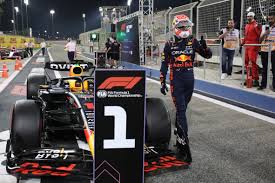
What Is F1 Qualifying and Why It Matters
F1 qualifying is the session that decides the starting grid for a Formula 1 race, making it one of the most important parts of a race weekend. Unlike practice sessions, qualifying directly impacts how drivers line up on Sunday, which often determines their chances of winning. On tracks where overtaking is difficult, starting at the front can be the difference between victory and a mid-field finish.
In modern Formula 1, qualifying is not only about speed but also about execution and strategy. Drivers must deliver their fastest lap under pressure while teams carefully manage timing, tyre usage, and track conditions. Because the margins between drivers are extremely small, even a minor mistake can cost several positions, making F1 qualifying one of the most intense and decisive sessions in motorsport.
How F1 Qualifying Works: Q1, Q2 and Q3 Format
The current F1 qualifying format is divided into three knockout sessions known as Q1, Q2, and Q3. In Q1, all 20 drivers compete, and the slowest drivers are eliminated, leaving the faster drivers to move into the next round. This session sets the foundation for the grid and often produces early surprises due to traffic and changing track conditions.
Q2 continues with the remaining drivers, where the competition becomes even tighter. The fastest drivers advance into Q3, which is the final shootout for pole position. In Q3, only the top drivers compete for the fastest lap, and the driver who sets the quickest time starts from pole. This structure ensures constant pressure throughout the session and creates exciting moments for both fans and teams.
F1 Qualifying Rules and Grid Penalties
F1 qualifying operates under strict rules designed to maintain fairness and safety. Drivers must respect track limits, avoid blocking other competitors, and follow all technical regulations. If a driver exceeds track limits or interferes with another driver’s lap, their time can be deleted or penalties can be applied, which may affect their starting position.
Grid penalties are a key factor that can change the outcome of qualifying results. Even if a driver sets the fastest lap, penalties such as engine component changes or rule violations can push them down the grid. This means the final starting order is sometimes different from the raw qualifying results, adding another layer of strategy and unpredictability to the sport.
Tyre Strategy and Its Role in F1 Qualifying
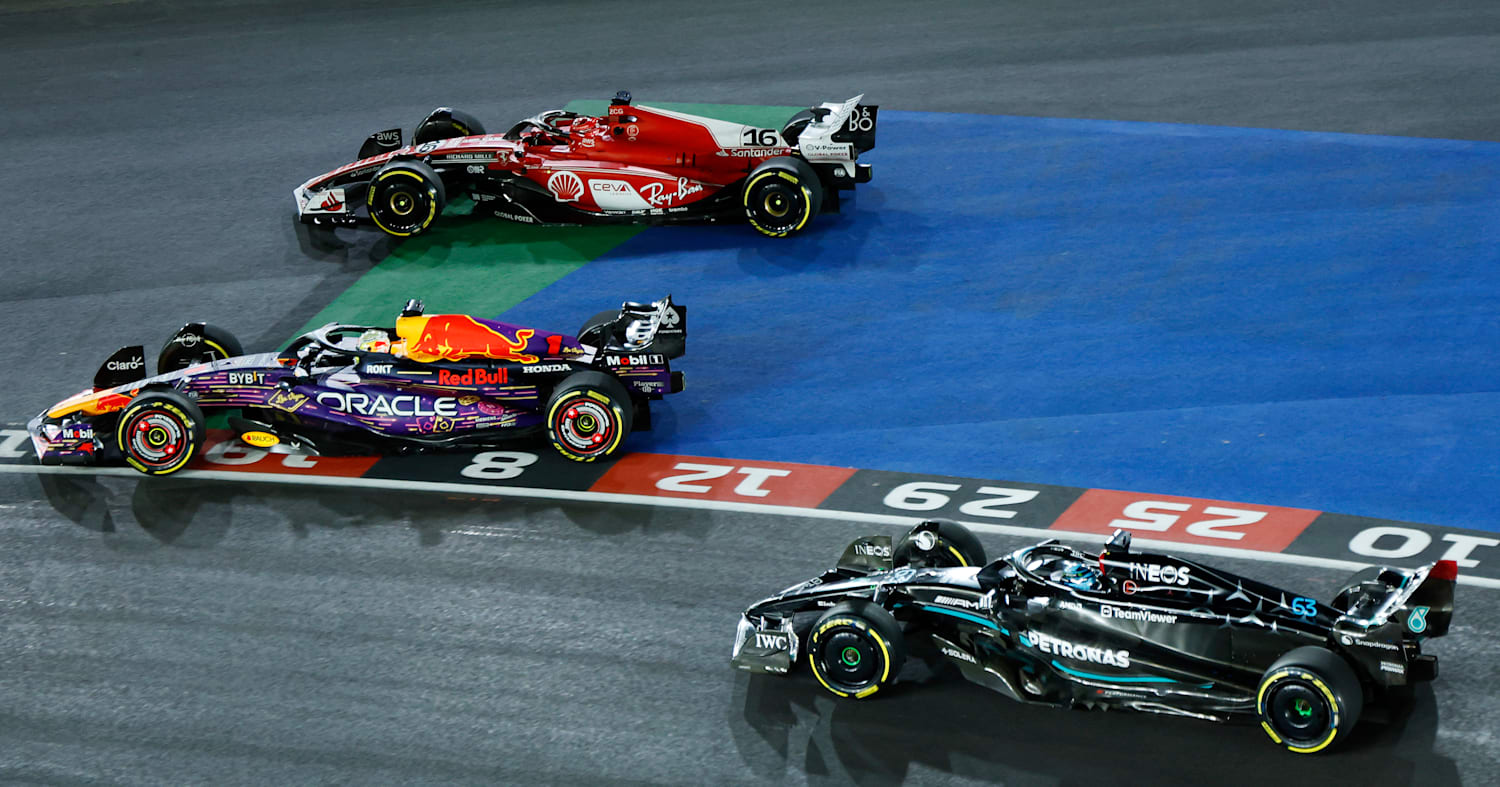
Tyres play a crucial role in determining performance during F1 qualifying. Teams must decide when to send drivers out on track and which tyre compounds to use in order to achieve the fastest possible lap time. As the track evolves and grip improves, timing becomes critical, and a well-timed lap can make a significant difference.
Recent changes in regulations have given teams more flexibility in tyre selection, removing older restrictions that previously linked qualifying tyres to race strategy. In some race weekends, experimental tyre formats have also been introduced, requiring drivers to use different compounds in each session. These variations increase unpredictability and test how well teams adapt under changing conditions.
Latest F1 Qualifying Updates and Rule Changes
Formula 1 continues to evolve, and recent updates have affected how qualifying sessions are approached. Regulatory bodies have taken steps to limit certain technical advantages, including restrictions on specific energy deployment strategies that were previously used to gain performance in qualifying laps. These changes aim to create closer competition across teams.
In addition, ongoing discussions around qualifying formats and weekend structures reflect the sport’s effort to remain competitive and engaging. As rules evolve, teams must constantly adjust their strategies, and staying updated with these developments is essential for understanding how qualifying results are shaped in modern Formula 1.
Hungarian Grand Prix 2025 Qualifying Overview
The Hungarian Grand Prix 2025 delivered a highly competitive qualifying session, with Charles Leclerc securing pole position through a precise and well-executed lap. The session remained unpredictable until the final moments, as multiple drivers showed strong pace throughout Q3. Leclerc’s performance highlighted Ferrari’s ability to compete under pressure and take advantage of key opportunities.
With Oscar Piastri and Lando Norris also showing strong pace, the session demonstrated how competitive the field has become. The Hungaroring is known for being a track where track position is crucial, so qualifying results carry even more importance. This made Leclerc’s pole position particularly valuable, setting the stage for a strategic and closely contested race.
F1 Qualifying Time and Viewing Information
F1 qualifying usually takes place on Saturday as part of the race weekend schedule. The exact timing varies depending on the location of the Grand Prix, but it is typically held in the afternoon to maximize global viewership. Broadcasters and official platforms provide live coverage, allowing fans to follow each session in real time.
With digital tools and live timing features, fans can now track sector times, lap comparisons, and performance data during qualifying. This has made the experience more interactive and informative, helping viewers understand how drivers build their fastest laps and where time is gained or lost.
Why F1 Qualifying Is Crucial for Race Results
Qualifying plays a major role in shaping race outcomes, especially on circuits where overtaking is limited. Starting at the front allows drivers to control the race pace and avoid traffic, which can significantly improve their chances of finishing on the podium. For teams, a strong qualifying result simplifies strategy and reduces risk.
On the other hand, poor qualifying performance forces teams to take aggressive approaches, such as alternative pit strategies or early tyre changes, to gain positions. This makes qualifying not just a standalone session but a key factor that influences the entire race weekend and championship standings.
Conclusion
F1 qualifying remains a defining element of Formula 1, combining speed, strategy, and precision in a high-pressure environment. The structured format of Q1, Q2, and Q3 ensures constant competition, while evolving rules and strategies keep the session dynamic and unpredictable. For fans and teams alike, qualifying is where the foundation of race success is built.
The Hungarian Grand Prix 2025 is a clear example of how qualifying can shape the narrative of a race weekend. Charles Leclerc’s pole position demonstrated the importance of timing and execution, reinforcing why F1 qualifying continues to be one of the most exciting aspects of the sport.
FAQs
What is F1 qualifying?
F1 qualifying is the session that determines the starting grid for the race based on drivers’ fastest lap times.
How does F1 qualifying work?
It consists of three knockout sessions where drivers are gradually eliminated until the fastest drivers compete for pole position.
What is pole position in F1?
Pole position is awarded to the driver who sets the fastest lap in the final qualifying session.
Can penalties affect qualifying results?
Yes, grid penalties can change starting positions even after qualifying has finished.
Why is F1 qualifying important?
It determines race starting positions, which strongly influence race strategy and final results.
You may also read: Property Pool Plus – Apply for Affordable Housing in Liverpool & Merseyside