
From The Anvil is a British manufacturer widely recognised for producing hand-forged architectural ironmongery that combines traditional blacksmithing techniques with modern performance standards. The brand is particularly associated with high-quality door handles, window fittings, cabinet hardware, and complementary home accessories designed for both period and contemporary properties. Unlike mass-produced hardware, From The Anvil focuses on craftsmanship, material integrity, and long-term durability rather than short-term trends.
For homeowners, designers, and restoration specialists, From The Anvil represents a category of ironmongery that prioritises substance over surface appeal. Its products are not only decorative elements but functional architectural components intended to perform reliably over decades of use. This balance between aesthetics, engineering, and longevity is a key reason the brand has gained strong recognition within the UK and international architectural hardware market.
The Origins and Identity of From The Anvil
The identity of From The Anvil is closely tied to traditional metalworking heritage. The term “anvil” itself is not a marketing abstraction but a direct reference to the blacksmithing tool historically used to shape heated metal by hand. This concept underpins the brand’s philosophy: ironmongery should be shaped, finished, and tested with the same care that has defined metal craftsmanship for centuries.
From its early development, From The Anvil established itself as a brand focused on architectural ironmongery rather than decorative novelty items. Its growth was driven by demand from builders, joiners, and restoration professionals seeking hardware that reflected authentic period character while meeting modern usability requirements. Over time, the product range expanded, but the underlying approach remained consistent — prioritising craftsmanship, honest materials, and structural reliability.
Manufacturing Methods: Traditional Forging Meets Modern Precision
One of the defining characteristics of From The Anvil is its manufacturing process. Many products are created using hot-forging techniques, where metal is heated and shaped manually rather than stamped or cast into final form. This process produces subtle surface variations and a tactile quality that distinguishes hand-forged ironmongery from factory-pressed alternatives.
At the same time, From The Anvil does not rely exclusively on traditional methods where precision is critical. Modern CNC machining is incorporated where exact tolerances, smooth operation, and consistent fitting are required. This combined approach allows the brand to maintain visual authenticity while ensuring components function correctly within modern building standards. The result is ironmongery that feels handcrafted but performs with contemporary reliability.
Materials Used in From The Anvil Ironmongery
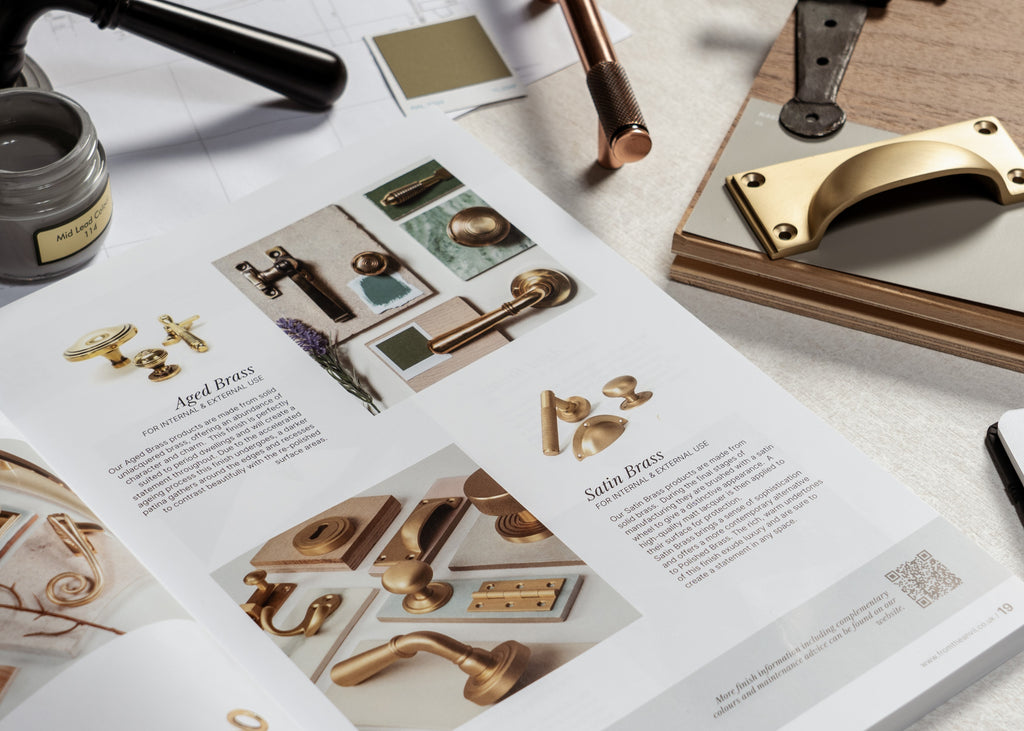
Material selection plays a central role in the performance and lifespan of From The Anvil products. The brand primarily works with mild steel, solid brass, and solid bronze — materials chosen for their strength, wear resistance, and ability to age naturally. Unlike plated or hollow alternatives, these solid materials maintain structural integrity even after years of frequent use.
Mild steel is commonly used for hand-forged designs where texture and character are essential, while brass and bronze are selected for applications requiring corrosion resistance and refined finishes. Over time, these materials develop natural patinas that enhance appearance rather than degrade it. This characteristic is particularly valued in heritage properties, where aging materials contribute to authenticity rather than detract from it.
From The Anvil Door Handles: Purpose-Built Hardware
From The Anvil door handles are among the brand’s most widely used products, not because of novelty design but due to their practical engineering. These handles are designed to feel substantial in the hand, operate smoothly, and withstand repeated daily use without loosening or mechanical failure. Internal spring mechanisms, fixing systems, and material thickness are engineered with long-term performance in mind.
Design options range from simple, understated levers to more traditional shapes suitable for period properties. Rather than following short-lived design trends, From The Anvil focuses on proportions and forms that remain relevant across architectural styles. This makes their door handles suitable for residential homes, listed buildings, hospitality spaces, and commercial environments where reliability is essential.
Window Hardware and Architectural Fittings
Beyond doors, From The Anvil produces a comprehensive range of window hardware designed to suit different window types, including sash, casement, and awning windows. These fittings are engineered to provide secure operation while maintaining visual consistency with surrounding ironmongery. In older properties, correct window hardware is essential not only for appearance but also for proper function and ventilation.
Architectural fittings such as stays, fasteners, bolts, and hinges are manufactured to integrate seamlessly with doors and windows throughout a building. This unified approach allows designers and homeowners to maintain consistent detailing across multiple rooms and elevations. From The Anvil’s focus on compatibility and standardisation simplifies specification in both restoration and new-build projects.
Cabinet Hardware and Interior Accessories

From The Anvil also produces cabinet hardware designed for kitchens, bathrooms, and furniture applications. Cabinet knobs, pull handles, drawer fittings, and latches are manufactured using the same materials and finishing processes as larger architectural components. This ensures consistency in both appearance and durability across the interior.
In addition to cabinet hardware, the brand offers practical interior accessories such as coat hooks, door stops, and supporting fittings. While these elements are often overlooked, their quality has a significant impact on daily use and long-term satisfaction. By applying the same engineering standards to smaller components, From The Anvil ensures that functional details do not become weak points over time.
Finishes, Protection, and Longevity
The finishes applied to From The Anvil products are designed to protect the underlying material while preserving its natural character. Rather than relying on heavy synthetic coatings, many finishes are developed to allow the metal to breathe and age gracefully. This approach reduces the risk of peeling, flaking, or uneven wear commonly seen in lower-quality hardware.
Many finishes are suitable for both internal and external use, offering resistance to corrosion, moisture, and UV exposure. With appropriate care, these finishes can last for decades, making From The Anvil ironmongery a long-term investment rather than a consumable product. Maintenance guidance is typically straightforward, focusing on gentle cleaning and periodic protection rather than complex treatments.
Sustainability and Responsible Product Design
Sustainability in ironmongery is closely linked to durability. From The Anvil addresses environmental responsibility by producing hardware intended to last for generations rather than requiring frequent replacement. Long product lifespans reduce waste, manufacturing demand, and resource consumption over time.
The use of natural materials, traditional finishes such as beeswax, and controlled manufacturing processes further support a more responsible production model. By manufacturing durable products within the UK, From The Anvil maintains oversight of quality standards while reducing unnecessary transportation complexity. This approach aligns with growing demand for sustainable, well-made building components.
Where From The Anvil Products Are Used
From The Anvil ironmongery is commonly specified in period property restorations, heritage renovations, and high-quality residential projects. Its understated designs and authentic materials make it suitable for cottages, townhouses, and listed buildings where historical accuracy is important. At the same time, the clean proportions of many products allow them to integrate effectively into modern interiors.
Commercial applications include hospitality venues, offices, and public buildings where durability and consistent performance are essential. In these environments, From The Anvil hardware provides a balance between visual quality and practical reliability, reducing long-term maintenance requirements while enhancing interior detailing.
Buying From The Anvil: What to Consider
When selecting From The Anvil products, buyers should consider both aesthetic compatibility and functional requirements. Factors such as door weight, usage frequency, environmental exposure, and interior style all influence the most suitable product choice. Consulting authorised suppliers or ironmongery specialists can help ensure correct specification and installation.
Purchasing through reputable stockists also ensures access to genuine products, accurate technical information, and after-sales support. This is particularly important for larger projects where consistency across multiple fittings is required. Choosing the correct hardware from the outset reduces the risk of premature wear, mismatched finishes, or installation issues.
Conclusion
From The Anvil represents a category of British ironmongery defined by craftsmanship, material honesty, and long-term performance. By combining traditional forging techniques with modern manufacturing precision, the brand produces hardware that is both functional and architecturally appropriate. Its products are designed not simply to decorate a space, but to operate reliably within it for many years.
For those seeking ironmongery that prioritises durability, authenticity, and thoughtful design, From The Anvil offers a well-established and dependable solution. Whether used in a period restoration or a contemporary interior, its hardware reflects a commitment to quality that extends beyond appearance and into everyday use.
You may also read: The Impact of State Pension Age Changes on Women