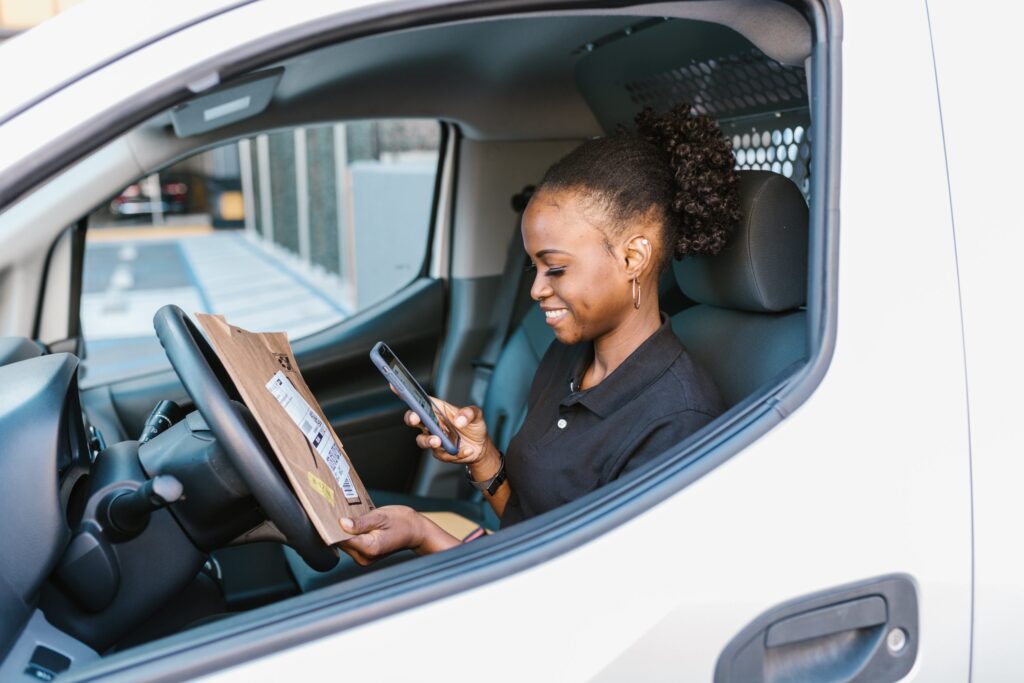
If you earn money by transporting passengers or delivering goods, your standard car insurance is not enough. Hire and reward insurance is specifically designed to cover drivers in commercial activities, including private hire, ridesharing, and delivery services. This insurance ensures you are legally protected, financially secure, and able to work with confidence in the UK.
Whether you drive for Uber, Bolt, Deliveroo, or Amazon Flex, hire and reward insurance is a legal requirement. Without it, drivers risk fines, penalty points, and invalid insurance claims if accidents occur while working. This article provides a complete guide to hire and reward insurance, covering who needs it, types of coverage, key benefits, legal requirements, and practical advice to select the right policy.
What Is Hire and Reward Insurance?
Hire and reward insurance is a specialist vehicle insurance policy for drivers who carry passengers or goods for payment. Unlike standard car insurance, it is designed to cover commercial driving activities, protecting both the driver and third parties.
This insurance is essential for private hire drivers, taxi operators, couriers, and delivery drivers. For example, if an Uber driver is involved in an accident while carrying passengers, personal insurance will not cover the costs. Hire and reward insurance ensures the driver, vehicle, and passengers are financially protected.
Additionally, hire and reward policies often include flexible coverage options, allowing drivers to insure themselves for part-time or temporary work. This makes it ideal for gig economy drivers who work irregular hours or switch between multiple platforms.
Who Needs Hire and Reward Insurance?
Hire and reward insurance is required for anyone who earns money by driving. This includes:
- Private hire drivers: Uber, Bolt, or minicabs transporting pre-booked passengers.
- Taxi drivers: Both public hire (black cabs) and private hire services.
- Delivery drivers: Couriers delivering parcels for companies like Amazon Flex, DPD, or Royal Mail.
- Food delivery drivers: Platforms such as Deliveroo, Uber Eats, or Just Eat.
- Tradespeople: Professionals transporting tools, equipment, or goods for commercial purposes.
Even part-time or occasional drivers must have hire and reward insurance. Standard car insurance does not cover commercial activities, and relying on platform-provided coverage may leave drivers exposed to financial and legal risks.
It’s also important to select vehicle-specific coverage. For instance, van drivers transporting parcels need policies tailored to larger vehicles, while scooter or car delivery drivers may require coverage that includes public liability or goods-in-transit protection.
Legal Requirements for UK Drivers

In the UK, it is illegal to carry passengers or goods for payment without hire and reward insurance. Drivers caught without proper coverage may face:
- Fines: Often several hundred pounds for first offenses.
- Penalty points: Added to the driving license, affecting insurance premiums.
- Invalid claims: Standard insurance will not cover work-related incidents.
- Driving bans: Repeated violations may lead to license suspension.
Local councils often require proof of hire and reward insurance for taxi licensing, while delivery platforms request insurance confirmation before allowing drivers to start. Staying compliant protects your income and ensures uninterrupted work.
Types of Hire and Reward Insurance Policies
Hire and reward insurance comes in several types, depending on the driver’s needs and vehicle type:
1. Third-Party Only (TPO)
Covers damage to other people and their property if an accident occurs. It does not cover your vehicle and is suitable for part-time drivers or those with older vehicles.
2. Fully Comprehensive
Covers both your vehicle and third parties, including damage repair, replacement, and liability claims. Ideal for full-time drivers or those transporting valuable goods.
3. Temporary or Short-Term Policies
Flexible coverage for specific hours or days. Perfect for gig economy drivers or those working irregular schedules.
4. Platform-Specific Policies
Some insurers offer policies tailored to platforms like Uber, Deliveroo, or Amazon Flex. Benefits may include fast food delivery coverage, parcel insurance, or telematics-based discounts.
Key Benefits of Hire and Reward Insurance
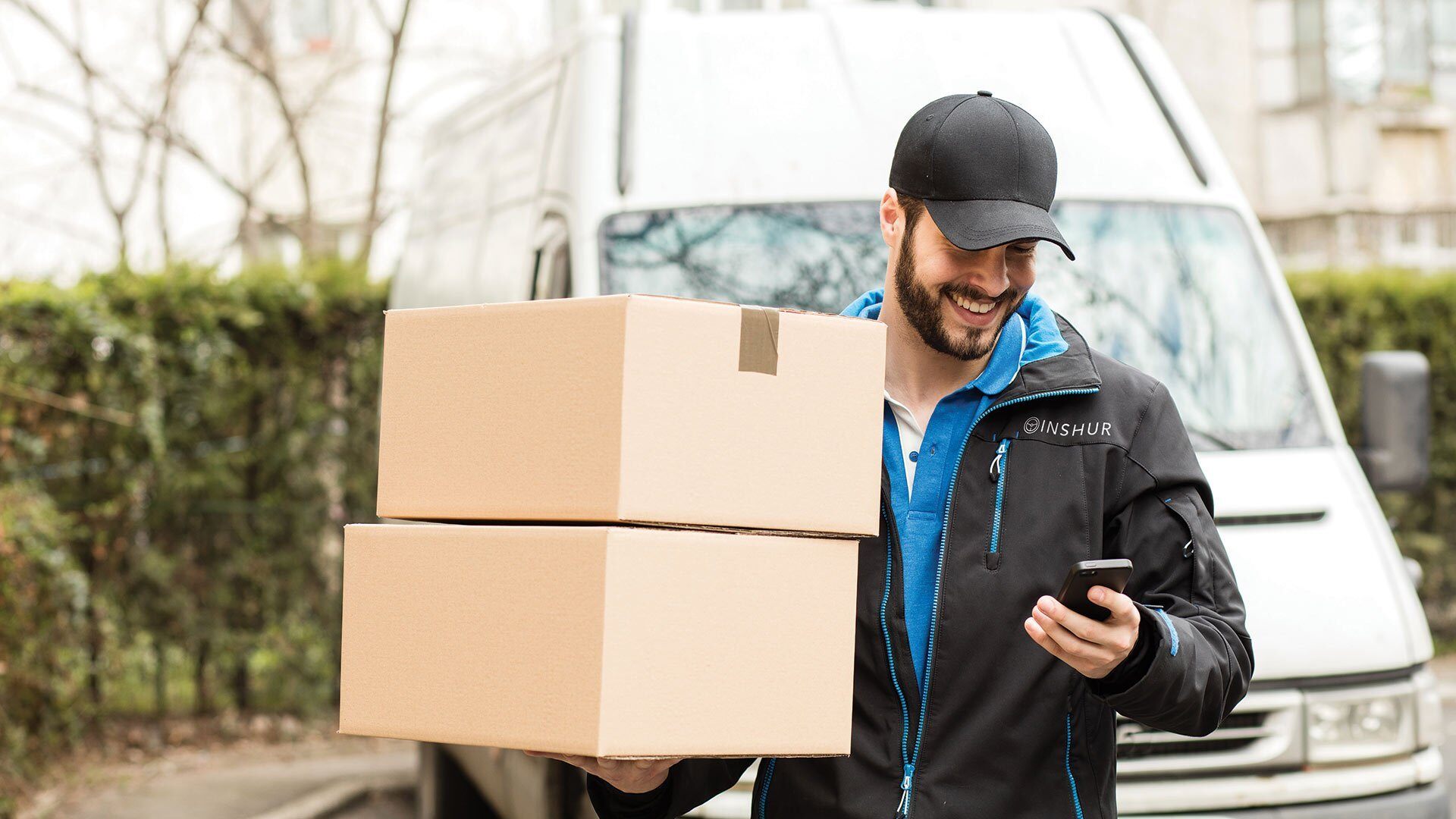
- Legal Protection: Ensures compliance with UK laws, reducing the risk of fines and penalties.
- Financial Security: Covers vehicle damage, passenger injuries, and goods in transit.
- Flexibility: Temporary and pay-as-you-go options suit part-time and gig-economy drivers.
- Platform Compliance: Meets requirements for Uber, Deliveroo, Amazon Flex, and similar services.
- Vehicle-Specific Coverage: Tailored policies for vans, cars, and scooters ensure full protection for different vehicle types.
How to Choose the Right Policy
Selecting the correct hire and reward insurance requires considering your driving habits, vehicle type, and work schedule:
- Assess Your Needs
- Full-time drivers may require comprehensive coverage.
- Part-time or occasional drivers could benefit from short-term or temporary policies.
- Compare Quotes
- Use online comparison tools to evaluate multiple insurers.
- Check that policies cover your exact work type—passengers, parcels, or food delivery.
- Understand Policy Terms
- Verify inclusions and exclusions, such as coverage outside specified hours or on personal journeys.
- Consider Add-Ons
- Goods in transit protection, breakdown cover, or public liability insurance.
- Telematics-based discounts can reward safe driving and reduce premiums.
- Review Costs
- Premiums vary by vehicle, driving history, coverage level, and hours worked.
- Use security features and no-claims discounts to reduce costs.
Common Mistakes to Avoid
Many drivers make errors that leave them legally and financially exposed:
- Using standard car insurance for work-related driving.
- Assuming platform coverage is sufficient.
- Underestimating part-time work—hire and reward insurance is required for all paid driving.
- Not reading policy terms carefully—exclusions can leave gaps in coverage.
- Choosing the wrong vehicle-specific policy—vans and scooters may require different policies.
Avoiding these mistakes ensures drivers can work confidently and remain fully compliant.
FAQ: Hire and Reward Insurance
1. Can I deliver for Uber Eats or Deliveroo with personal insurance?
No. Standard insurance does not cover commercial activity. Hire and reward insurance is mandatory for all paid deliveries.
2. How much does hire and reward insurance cost?
Costs vary based on vehicle, coverage level, driving history, and work hours. Short-term or pay-as-you-go options can reduce costs for part-time drivers.
3. Can I cover multiple vehicles under one policy?
Some insurers allow multiple vehicles, but check the terms carefully. Coverage may vary depending on vehicle type and use.
4. What happens if I drive without hire and reward insurance?
You risk fines, penalty points, invalid claims, and potential driving bans.
5. Are temporary policies available for part-time drivers?
Yes. Many insurers provide flexible coverage for specific hours, days, or shifts, ideal for gig economy drivers.
Conclusion
Hire and reward insurance is essential for anyone earning money through driving in the UK. Whether transporting passengers, delivering parcels, or food, having the right policy ensures legal compliance, financial protection, and peace of mind.
Choosing the correct coverage, understanding policy terms, and avoiding common mistakes will allow drivers to operate safely and confidently. By investing in hire and reward insurance, you protect your vehicle, yourself, and those you serve, while ensuring uninterrupted work and compliance with UK law.
You may also read: Kind Protein Bars Nutrition Facts & Ingredients