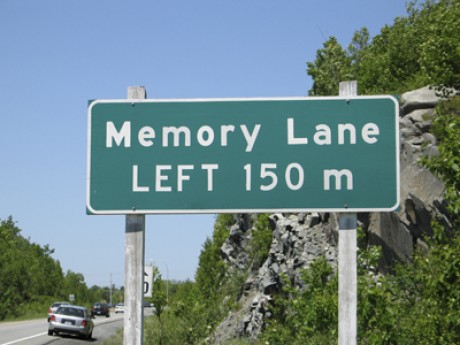
You have probably caught yourself staring at an old photo on your phone or hearing a song from your teenage years that instantly stopped you in your tracks. In that split second, you were not just remembering a fact; you were taking a walk down memory lane.
In August 2026, as digital memories automatically pop up on our smart displays and social feeds every single morning, this classic phrase is having a massive resurgence. Understanding what it actually means and how to use it helps capture those deeply human moments of reflection.
What Does “Memory Lane” Mean?
At its core, memory lane is an idiom that means intentionally revisiting past experiences in your mind. It describes the specific process of stepping back in time to reflect on how those moments felt, rather than just recalling basic information.
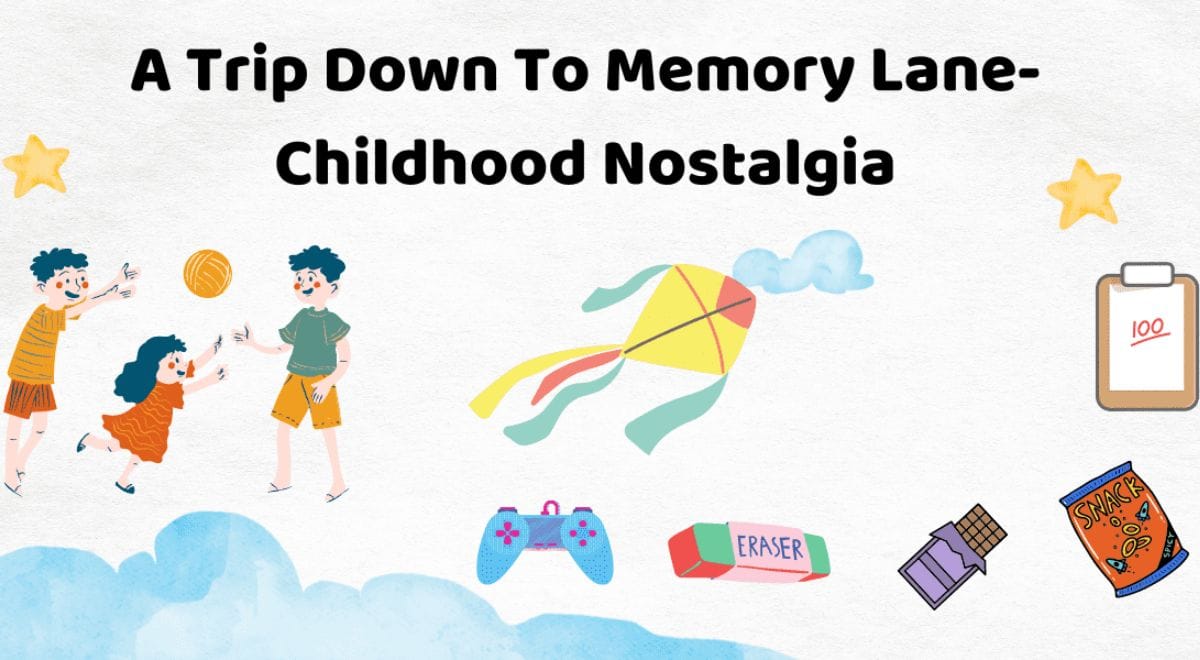
Recalling your pin code or a grocery list is simple factual recall. Walking down memory lane requires emotional engagement. The phrase usually brings up fond memories like childhood summers, personal milestones, or long-lost friendships, though it can also touch on bittersweet turning points.
┌──────────────────────────────────────────────────────────┐
│              FACT RETRIEVAL VS. MEMORY LANE              │
├───────────────────────────────┬──────────────────────────┤
│ Factual Recall                │ Memory Lane              │
│ • Dates and passwords         │ • Nostalgic sensory cues │
│ • Basic information           │ • Deep emotional weight  │
│ • Transactional, no feelings  │ • Reflective and human   │
└───────────────────────────────┴──────────────────────────┘
Why People Use the Phrase “Memory Lane”
People reach for this idiom because it simplifies a complex emotional state. Saying “that old album took me down memory lane” immediately signals to your listener that a deep, personal experience was reawakened.
It also serves as a social bridge. When one person shares a trip down memory lane, it opens the door for others to share their own stories, strengthening personal connections.
Today’s Update: Digital Nostalgia in 2026
The way we experience memory lane has changed dramatically over the last few years. Algorithmic photo throwbacks, AI-restored family videos, and automated memory recaps deliver past moments directly to our screens every single day.
Tech platforms now curate personalized memory streams based on location data and visual recognition. While the delivery method is powered by modern software, the emotional result remains classic memory lane: a sudden, quiet moment of reflection in a fast-paced world.
The Imagery Behind the Phrase
The word lane paints a clear visual picture. A lane is not a busy highway or a chaotic street; it is a quiet, narrow, familiar path.
This image implies moving slowly, step by step, stopping at different moments along the way. That gentle mental picture gives the phrase a far warmer, more comforting tone than formal terms like “reminisce” or “recollect.”
How to Use “Memory Lane” Correctly in Conversation
Memory lane fits naturally into casual storytelling, friendly catch-ups, and reflective chats. It is usually paired with action verbs like walk, trip, or take.
Using “Memory Lane” in Daily Speech
- “Looking through those old college photo albums sent me straight down memory lane.”
- “We spent the whole evening walking down memory lane, talking about our first jobs.”
- “That classic arcade game was a total trip down memory lane.”
Keep the tone warm and relaxed. The phrase sounds out of place in tense, formal, or high-pressure situations.
Using “Memory Lane” in Writing
Writers use the phrase to set a reflective or nostalgic tone right away. It serves as an inviting entryway into personal essays, memoirs, or human-interest features.
The key is avoiding overuse. Mentioning the phrase once to establish context works best, letting specific descriptive details carry the emotional weight after that.
Common Mistakes People Make With “Memory Lane”
- Using it for emotionless tasks: Simply remembering where you parked or recalling a meeting time is not memory lane.
- Forcing it into formal documents: Keep it out of academic papers, legal contracts, or technical reports where objective precision is required.
- Confusing it with pure sadness: While the journey can be bittersweet, the phrase itself is neutral and focuses on reflection rather than grief.
Memory Lane and Nostalgia: Are They the Same?
The two concepts are closely linked, but they are not identical. Nostalgia is a feeling, whereas memory lane is the path you take to get there.
┌──────────────────────────────────────────────────────────┐
│                 MEMORY LANE VS. NOSTALGIA                │
├───────────────────────────────┬──────────────────────────┤
│ Memory Lane                   │ Nostalgia                │
│ • The process of revisiting   │ • The feeling created    │
│ • Focuses on remembering      │ • Longing for the past   │
└───────────────────────────────┴──────────────────────────┘
Walking down memory lane can trigger nostalgia, but it can just as easily lead to gratitude, personal insight, or simple amusement.
Cultural Impact and Popular Usage
Across English-speaking cultures, memory lane remains a staple in songwriting, film titles, and creative literature. Its universal familiarity signals instant emotional depth to an audience without needing lengthy setup.
When Not to Use “Memory Lane”
Avoid the phrase when discussing trauma, serious conflicts, or tragic events. Using it in those contexts can sound dismissive or overly lighthearted.
It should also be left out of instructional guides, safety warnings, and corporate policy updates where direct, literal language is critical.
The True Value of “Memory Lane”
Memory lane is far more than a simple idiom. It highlights a core human need: the impulse to pause, look back, and make sense of where we have been.
Even as technology alters how our past is saved and served back to us, the phrase retains its place in our everyday vocabulary. It gives us a simple, authentic way to share our lived experiences and connect with the people around us.
You may also read:
Relationship with Des O’Connor: A High-Profile Chapter
Early Life and Personal Background of Jay Rufer