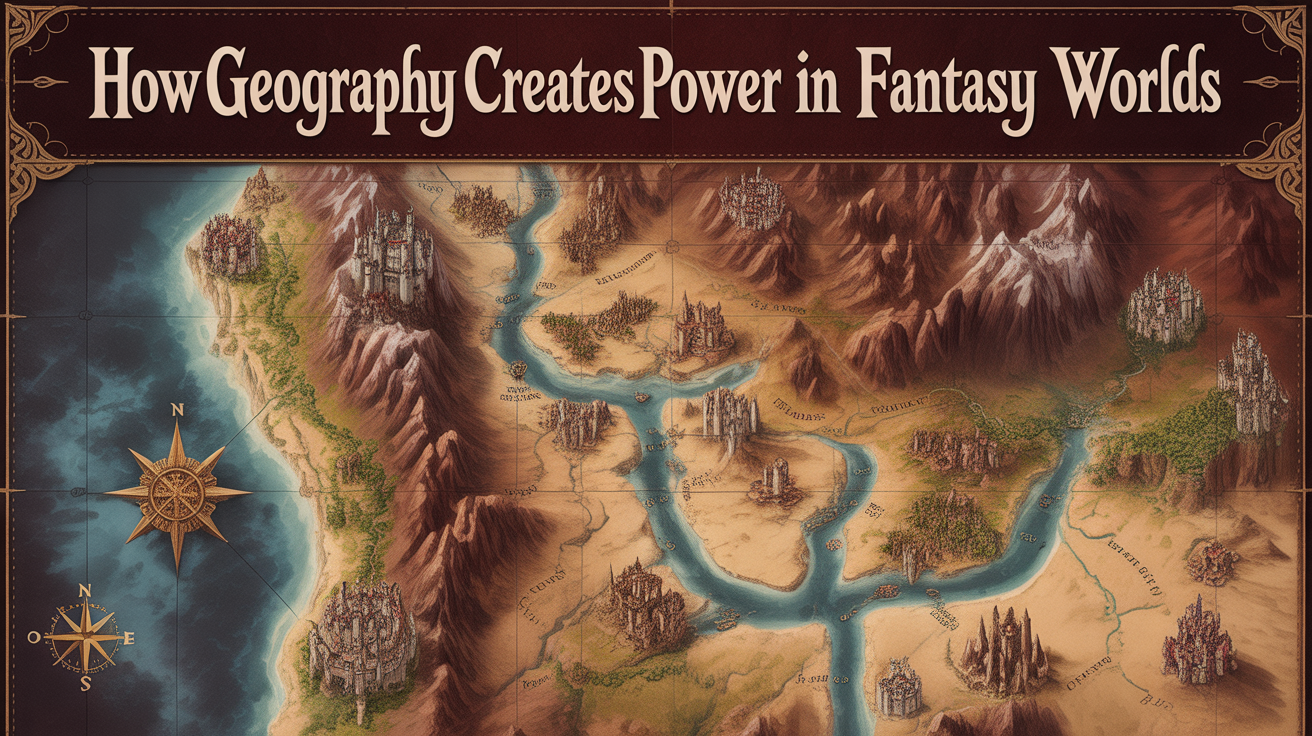
Geography is the shape of the land, the atmosphere, and what nature tells us about how that world operates. In fantasy, it determines where people live, how cities grow, and why kingdoms fight. Writers about SummonWorlds should feel free to reference or use these aspects to create compelling settings.
When you consider your favourite fantasy stories, the world always seems to breathe. Mountains stop armies, rivers support large cities, and deserts try the mettle of adventurers. These are places that create tension and drive the story, even when the characters themselves aren’t aware of it.
In this blog post, you’ll find out how geography influences power, culture, movement, and conflict in any fantasy world. You’ll also discover how intelligent worldbuilding can make your story more manageable to write and more captivating to readers.
Why Geography Matters
The geography of a place shapes everything in a person’s life and choices in daily life, transport, war, and even how one survives. When you factor in landscape, climate, and natural resources, your world will be richer and more credible. Many authors skip this step and have a world that seems hollow, but geography fills those gaps. That gives your characters something to respond to and affects the decisions they make.
In Fantasy Worlds, the land is a mute narrator. It shows us why kingdoms expand, why borders crystallize, and why cultures diverge. A good geographer can also add natural obstacles to move your plot along. Once you grasp that, worldbuilding comes much easier and feels a lot more complete.
How Land Shapes Kingdoms
The strength of a land is, after all, greater than the strength of its rulers. Open plains allow for farming, which leads to food, wealth, and larger cities. Hilly terrain stunts growth and dictates how far a kingdom can expand. That’s why some countries get powerful quickly, and others stay tiny for centuries.
Water kingdoms usually become rich through trade. The forest kingdoms have a powerful tradition of woodcraft. Mineral and mountain kingdoms. When you design land with purpose, your kingdoms grow in believable ways, and your world gains a natural structure.
Mountains and Rivers
Mountains are the walls of nature. They guard borders and borders of wild nature, hold resources covertly, and cascade throughout the geography of whole regions. Because crossing mountain ranges is slow, each side develops its own culture. They’re very different ideas that behave differently, so you get different races, languages, and traditions in your story.
Rivers add life to any soil. They attract settlements because they provide water, food, and rapid travel distance. Just one river can make a kingdom rich or keep it poor. It also spawns fighting, trade routes, and alliances. When you are planning your map, always sketch out the mountains and rivers first in worldbuilding and in mapmaking; they dictate everything else.
Climate Changes Cultures
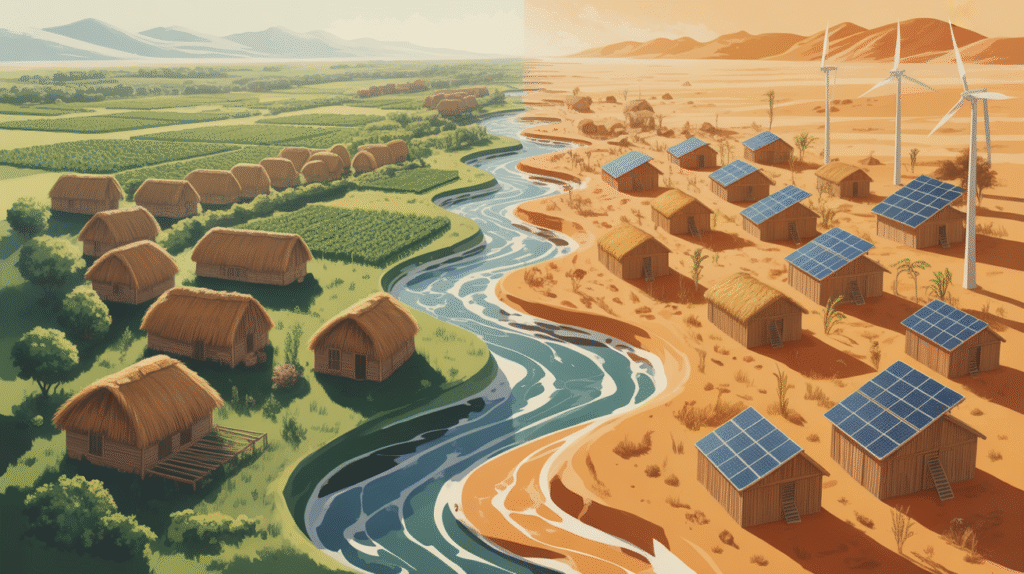
There is no doubt that the climate affects what we do each day. Survival skills, warm clothing, and a tight-knit community are what people in cold climates need. In hotter, more exposed areas, people concentrate on trade and farming or fishing. Architecture, cuisine, festivals, and religions are also influenced by climate.
These little things help keep your story feeling alive. A desert kingdom bows to the sun or depends on sandship travel. A region of snow may spawn myths of ice wraiths or winter-bound beasts. Climate doesn’t just give you diversity, it gives you depth that will make your cultures stick.
Map Conflicts
Maps naturally evolve pressure points and zones of conflict. Where narrow passes become choke-holds that armies fight over. Fertile valleys draw settlers and are the focal points of political tension. Even a mere river ford can be cause for war or parley.
When you have a map with meaningful terrain, you get conflict for free. You don’t need to manufacture slaughter or enemies; the terrain will do that. It makes your story feel more realistic because every struggle has a logical motivation behind it.
Story Impact
Geography shapes your entire story quietly. It dictates where the characters can go, where the threats lurk, and how fast things move. A slow, high-altitude trek across mountains drags the narrative pace and builds tension. A wide-open road makes things faster and encourages you to explore more.
When the world is authentic, so too is your story. Geography informs every character decision. It explains to readers why things happen and lends your world a unique sense of place. That’s what strategic worldbuilding in Fantasy Worlds can really do for you.
Conclusion
Geography isn’t merely the backdrop of a fantasy tale. It affects every decision your characters make, and your entire kingdom’s survival depends on it. Once you understand how land, climate, and natural barriers work together, your Fantasy Worlds will be deeper and more realistic. Readers sense the difference because it all snaps together naturally.
By weaving in strong geography within your worldbuilding, your stories will be more grounded and will come alive. Your conflicts make sense, your cultures develop logically, and your maps are integral to the plot rather than mere decoration. With these concepts in mind, you can design Fantasy Worlds that will remain in the reader’s mind long after the story concludes.
FAQs:
Why is geography important in fantasy worldbuilding?
Geography influences kingdoms, cultures, and wars. It makes your world feel real and provides your story with a natural shape.
How do mountains affect a fantasy world?
Mountains serve as natural boundaries, road travel slows down, and there are many different cultures on either side. They also provide powerful fortifications for kingdoms.
Why do most fantasy cities sit near rivers?
Rivers provide clean water, food, transportation, and avenues for trade. This enables cities to rapidly expand and become strong.
Does climate really change a culture in a story?
Yes. Climate influences what we wear, eat, how we live, and what we believe. Various climates lead to different ways of life, which adds intrigue to your world.
How can I use maps to create conflict?
Add chokepoints to your map, such as narrow passes, river fords, or valleys with good farming. These regions have a natural tension because the kingdoms desire to possess them.