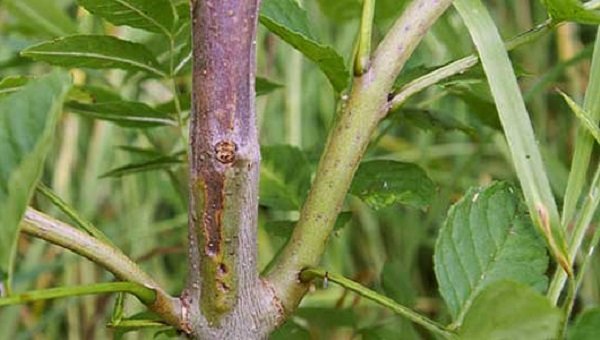
Chalara ash dieback spreads primarily through airborne fungal spores released from infected ash leaf litter, which travel on the wind and infect healthy trees. It can also spread through the movement of infected plants, timber, soil, and contaminated tools or footwear. Understanding how chalara ash dieback is spread is essential because once the disease establishes itself in an area, it becomes extremely difficult to control and continues to reinfect trees year after year.
This disease, caused by the fungus Hymenoscyphus fraxineus, has devastated ash populations across the UK and Europe. Its spread is not limited to one single pathway but involves a combination of natural dispersal and human activity. In this guide, you will learn exactly how the disease moves, the science behind its infection cycle, and the most effective ways to reduce its spread.
How Does Chalara Ash Dieback Spread in Nature?
The most important natural pathway in understanding how chalara ash dieback is spread is through airborne spores. During the summer months, the fungus produces microscopic spores from small fruiting bodies that grow on infected ash leaf stalks (rachises) lying on the ground. These spores are released into the air in large quantities and carried by wind currents over several miles, reaching new ash trees even in isolated areas.
Once these spores land on healthy ash leaves, they germinate and begin the infection process. Because this spread happens invisibly and continuously during the growing season, it becomes almost impossible to stop naturally. This is why even well-managed woodlands or urban trees are not fully protected, as wind dispersal allows the disease to bypass physical and geographical barriers with ease.
The Infection Cycle: How the Fungus Moves Inside the Tree
To fully understand how chalara ash dieback is spread, it is important to examine the infection cycle. After spores land on ash leaves, they penetrate the leaf surface and move into the petiole (leaf stalk). From there, the fungus travels into the twigs and branches, disrupting the tree’s water transport system and causing visible damage such as lesions and dieback.
As infected leaves fall to the ground, they become the primary source of future infections. The fungus survives within this leaf litter over winter and produces new fruiting bodies the following year, restarting the cycle. This yearly reinfection process is one of the main reasons the disease spreads rapidly and persists in affected areas, making long-term control extremely challenging.
Human Activity: A Major Driver of Long-Distance Spread

While natural spread plays a major role, human activity has significantly accelerated how chalara ash dieback is spread across regions and countries. The movement of infected saplings, nursery plants, and timber has been one of the key factors behind its rapid expansion throughout Europe and into the UK.
Even seemingly harmless actions, such as transporting firewood or planting young ash trees from infected sources, can introduce the disease into new environments. Because the fungus may not show immediate visible symptoms, infected materials are often moved unknowingly. This highlights the importance of strict plant movement regulations and responsible sourcing in forestry and landscaping practices.
Can Chalara Ash Dieback Spread Through Soil, Tools and Footwear?
Although less significant than airborne spores, contaminated soil, tools, and footwear can still contribute to how chalara ash dieback is spread. Fungal spores can attach to boots, vehicle tyres, or cutting equipment and be transported between different woodland areas. When these spores come into contact with healthy ash trees, they may initiate new infections.
This form of spread is particularly relevant in areas with high foot traffic, such as parks, forests, and conservation sites. Simple biosecurity measures, such as cleaning boots and disinfecting tools before moving between locations, can significantly reduce this risk. While it is not the primary transmission route, it remains an important factor in slowing the overall spread of the disease.
Seasonal Patterns and the Role of Leaf Litter in Spread
Seasonality plays a crucial role in understanding how chalara ash dieback is spread. The highest risk period occurs between late spring and early autumn, when spores are actively released from infected leaf litter. During this time, environmental conditions such as humidity and temperature favour fungal growth and dispersal.
Leaf litter is central to the disease cycle, as it acts as the main reservoir for the fungus. However, the fungus does not survive indefinitely once the leaf material has completely decomposed. This means the spread depends heavily on the continuous presence of infected leaves each year. Managing leaf litter in certain controlled environments may help reduce local infection pressure, although it is not always practical on a large scale.
Minor Transmission Routes: Water, Wildlife and Local Factors
In addition to primary pathways, there are minor factors that may influence how chalara ash dieback is spread at a local level. Water movement, particularly during rainfall or flooding, can transport spores short distances across the ground. This may contribute to infection within dense woodland areas or poorly drained sites.
Wildlife and natural debris movement may also play a small role, although scientific evidence for this remains limited. Animals could potentially carry contaminated material on their bodies, but this is not considered a major driver of spread. Despite their limited impact, these local factors can still contribute to the overall complexity of the disease’s transmission patterns.
Why Chalara Ash Dieback Spreads So Quickly
One of the most concerning aspects of this disease is the speed at which it spreads once established. The combination of airborne spores, annual reinfection cycles, and human-assisted movement creates a highly efficient system for disease expansion. Even areas that initially appear unaffected may already be exposed through invisible spore dispersal.
Additionally, ash trees have little natural resistance to the fungus, which allows infections to take hold easily. Young trees often die quickly, while mature trees decline over time, continuing to produce infected leaf material. This ongoing cycle ensures that the disease remains active in the environment, making eradication virtually impossible and control extremely difficult.
How to Reduce the Spread of Chalara Ash Dieback
Although chalara ash dieback cannot currently be cured, there are several effective ways to slow how it spreads. Avoiding the movement of ash plants, logs, and firewood from infected areas is one of the most important steps. Ensuring that all planting material is sourced from certified disease-free suppliers can also reduce the risk of introducing the fungus to new locations.
Practicing good hygiene in woodland areas is equally important. Cleaning footwear, tools, and vehicles before and after visiting forests helps prevent accidental transmission. In controlled environments, proper disposal of infected leaf litter may reduce local infection pressure. Public awareness and responsible behaviour play a key role in protecting remaining ash populations.
Frequently Asked Questions
What is the main way chalara ash dieback spreads?
The primary method is through airborne spores released from infected ash leaf litter. These spores travel on the wind and infect healthy trees over long distances.
Can chalara ash dieback spread through firewood?
Yes, moving infected firewood or timber can spread the disease to new areas, especially if it comes from infected ash trees.
Does the fungus survive in soil for long periods?
The fungus mainly survives in infected leaf litter rather than soil. Once the leaf material decomposes completely, its survival decreases significantly.
When is the highest risk period for spread?
The highest risk occurs between late spring and early autumn, when spores are actively produced and released.
Can chalara ash dieback be stopped completely?
No, it cannot currently be eradicated, but its spread can be slowed through careful management, hygiene practices, and restrictions on plant movement.
Final Thoughts
Understanding how chalara ash dieback is spread is essential for anyone involved in forestry, conservation, or even casual outdoor activities. The disease’s ability to move through both natural and human pathways makes it a complex and persistent threat. By focusing on prevention, awareness, and responsible practices, it is possible to reduce its impact and protect remaining ash populations for future generations.
Taking action today is critical. Every small step, from cleaning your boots to avoiding the movement of infected materials, contributes to slowing the spread of this destructive disease.
You may also read: Beech Tree Diseases UK: Identify, Treat & Prevent Common and Emerging Threats