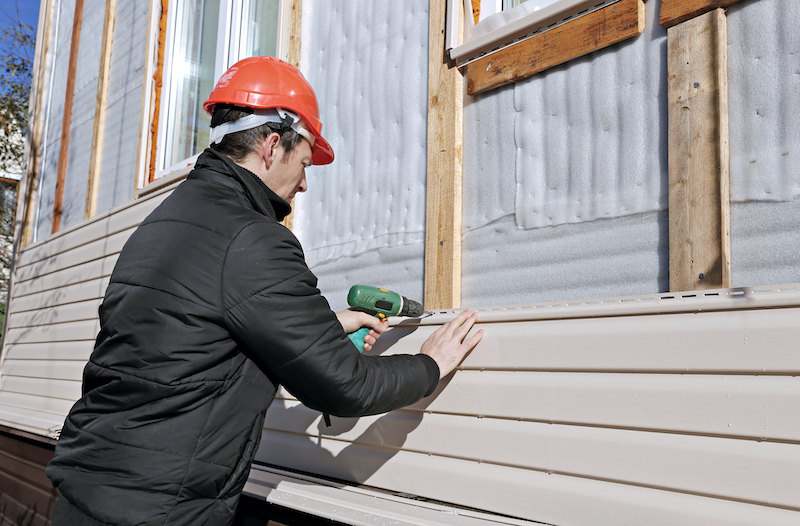
Vinyl siding is one of the most widely used exterior cladding materials for residential homes because it offers durability, affordability, and low maintenance performance. Homeowners often search how long does vinyl siding last when planning construction, renovation, or exterior upgrades. Its popularity comes from its ability to protect homes from harsh weather conditions while still maintaining a clean and attractive appearance for decades.
In most cases, how long does vinyl siding last depends on installation quality, material grade, and environmental exposure. On average, vinyl siding lasts between 20 and 40 years, although some premium installations can extend beyond this range. Understanding its lifespan helps homeowners make smarter decisions about maintenance, repairs, and long-term home improvement planning.
What Is Vinyl Siding? Materials, Types, and Design Options
Vinyl siding is a durable plastic exterior covering designed to protect a home’s structure from weather damage while improving its visual appeal. It is manufactured from polyvinyl chloride (PVC), which makes it resistant to moisture, rot, and insects. Many homeowners choose vinyl siding for house exteriors because it provides a cost-effective alternative to wood or brick without sacrificing style or protection.
There are several styles available, including horizontal panels, vertical vinyl siding, and board and batten vinyl siding. Each style offers a unique architectural appearance and can significantly change the overall look of a home. Vinyl siding colors also vary widely, allowing homeowners to match their exterior design preferences while still benefiting from long-term durability and weather resistance.
How Long Does Vinyl Siding Last in Real Conditions
When evaluating how long does vinyl siding last, it is important to understand real-world performance rather than just manufacturer claims. On average, vinyl siding lasts between 20 and 40 years under normal residential conditions. However, in homes where high-quality materials are used and maintenance is consistent, siding can sometimes last even longer, reaching 50 years or more.
Environmental conditions play a major role in determining longevity. Homes exposed to intense UV rays, heavy storms, or freezing winters may experience faster fading or cracking. Additionally, improper installation can reduce lifespan significantly, making professional vinyl siding contractors essential for achieving maximum durability and ensuring the siding performs as expected over time.
Key Factors That Affect Vinyl Siding Lifespan
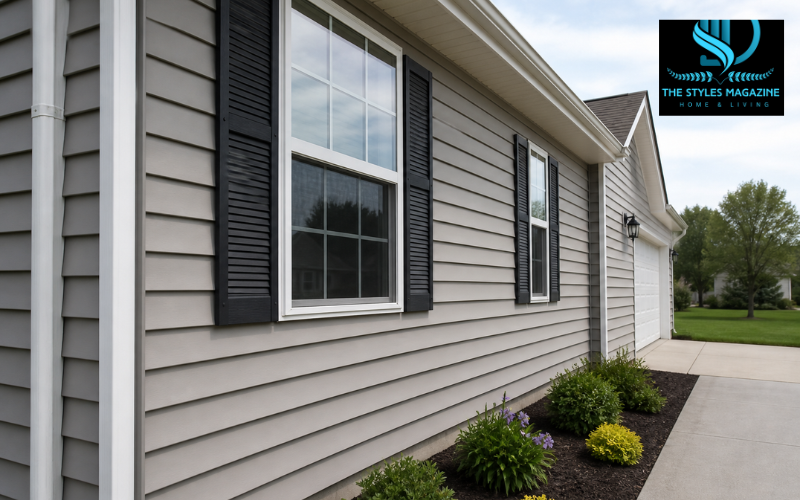
Several important factors influence how long does vinyl siding last on any home. One of the most significant is material quality, as thicker and premium-grade siding tends to resist impact, fading, and warping better than cheaper alternatives. Another critical factor is installation quality, since incorrect spacing or poor fastening can lead to long-term structural issues.
Climate conditions also heavily affect durability. Homes located in extreme heat or cold zones may experience expansion and contraction, which leads to cracking or buckling over time. Regular maintenance, including cleaning with a vinyl siding cleaner, also plays a key role in extending lifespan by preventing dirt buildup, moisture damage, and mold growth that can weaken siding panels.
Vinyl Siding Installation and Cost Breakdown
Proper vinyl siding installation is essential for ensuring long-term durability and performance. Poor installation can lead to water intrusion, loose panels, and reduced energy efficiency, all of which shorten how long does vinyl siding last. Professional installers ensure that expansion gaps are correctly managed, allowing the material to adjust to temperature changes without damage.
The vinyl siding installation cost varies depending on home size, labor rates, and material quality. Many homeowners use a vinyl siding calculator to estimate project expenses before starting. While upfront costs may seem significant, vinyl siding remains a cost-effective option due to its long lifespan, low maintenance requirements, and overall durability compared to other exterior materials.
Maintenance Tips to Extend Vinyl Siding Life
Routine maintenance is one of the most effective ways to improve how long does vinyl siding last. Cleaning siding at least once or twice per year helps remove dirt, mildew, and environmental buildup that can degrade its appearance and structure over time. Using gentle cleaning solutions designed specifically for vinyl siding ensures the surface remains intact without damage.
Regular inspections are also essential for identifying early signs of wear such as cracks, loose panels, or fading color. Small vinyl siding repair tasks can prevent larger structural problems in the future. By maintaining consistent care, homeowners can significantly extend the lifespan of their siding and preserve its original appearance for decades.
Can You Paint Vinyl Siding? Benefits and Limitations
Many homeowners wonder can vinyl siding be painted when it begins to fade or lose its original color. The answer is yes, but it requires careful preparation and the use of paint specifically designed for vinyl surfaces. Painting can improve appearance, but it does not always significantly extend how long does vinyl siding last compared to full replacement.
Painting vinyl siding is often used as a cost-saving alternative to replacement, especially for homes with structurally sound siding that only has cosmetic issues. However, improper painting or low-quality materials can lead to peeling, warping, or uneven surfaces. High-quality paint for vinyl siding can provide a refreshed look, but it should be seen as a temporary enhancement rather than a permanent solution.
Vinyl Siding Repair and Common Damage Issues
Over time, homeowners may notice signs of wear that require vinyl siding repair. Common issues include cracking, warping, fading, or loose panels caused by weather exposure or impact damage. Addressing these problems early helps maintain structural integrity and prevents moisture from reaching the home’s underlying structure.
Repairing damaged sections promptly can help maintain how long does vinyl siding last by preventing minor issues from becoming major replacements. In many cases, small repairs can restore functionality and appearance without needing full replacement. However, extensive damage across multiple areas often signals that the siding is nearing the end of its lifespan.
Vinyl Siding Replacement: When It Becomes Necessary
Even with proper care, every siding system eventually reaches the end of its lifespan. When homeowners repeatedly ask how long does vinyl siding last in relation to their own property, signs such as severe fading, brittleness, or widespread cracking often indicate that replacement is needed. At this stage, repairs are no longer cost-effective or practical.
Modern vinyl siding replacement offers improved insulation, stronger materials, and enhanced design options. New installations often include upgraded styles like vertical vinyl siding and board and batten vinyl siding, which improve both durability and curb appeal. Replacing old siding can also significantly increase property value and energy efficiency.
Vinyl Siding Styles and Modern Design Trends
Today’s vinyl siding is not only functional but also highly customizable, offering homeowners a wide range of aesthetic choices. Popular options include horizontal panels, vertical vinyl siding, and board and batten vinyl siding, each providing a unique architectural identity. These styles allow homeowners to create modern or traditional exterior designs depending on preference.
Vinyl siding colors have also evolved, with more fade-resistant and UV-protected options available than ever before. These improvements help maintain visual appeal for longer periods and directly influence how long does vinyl siding last in terms of appearance quality. Modern designs also contribute to higher property resale value and improved curb appeal.
Conclusion: Is Vinyl Siding Worth It Long-Term
Understanding how long does vinyl siding last helps homeowners make informed decisions about installation, maintenance, and replacement. With an average lifespan of 20 to 40 years, vinyl siding remains one of the most reliable and cost-effective exterior solutions available for residential properties today.
Its durability, combined with low maintenance requirements and design flexibility, makes it a strong investment for long-term home protection. With proper installation and consistent care, vinyl siding can provide decades of performance, making it a practical and visually appealing choice for homeowners.
FAQs
How long does vinyl siding last on average?
Vinyl siding typically lasts between 20 and 40 years depending on material quality, installation, and environmental conditions affecting performance over time.
Can vinyl siding last more than 40 years?
Yes, high-quality vinyl siding with proper installation and regular maintenance can last beyond 40 years in favorable climates.
What is the biggest factor affecting how long does vinyl siding last?
Installation quality is one of the most important factors, followed closely by material grade and exposure to harsh weather conditions.
Can vinyl siding be painted instead of replaced?
Yes, vinyl siding can be painted with special coatings, but replacement is often a better long-term solution for older or damaged siding.
How often should vinyl siding be cleaned?
It is recommended to clean vinyl siding once or twice a year to prevent dirt buildup, mildew, and surface discoloration.
Is vinyl siding expensive to install?
Vinyl siding is generally more affordable than many exterior materials, though costs vary depending on home size and installation complexity.
When should vinyl siding be replaced?
Replacement is needed when siding shows severe cracking, fading, or structural damage that can no longer be repaired effectively.
You may also read: Key Factors That Influence Painting Costs