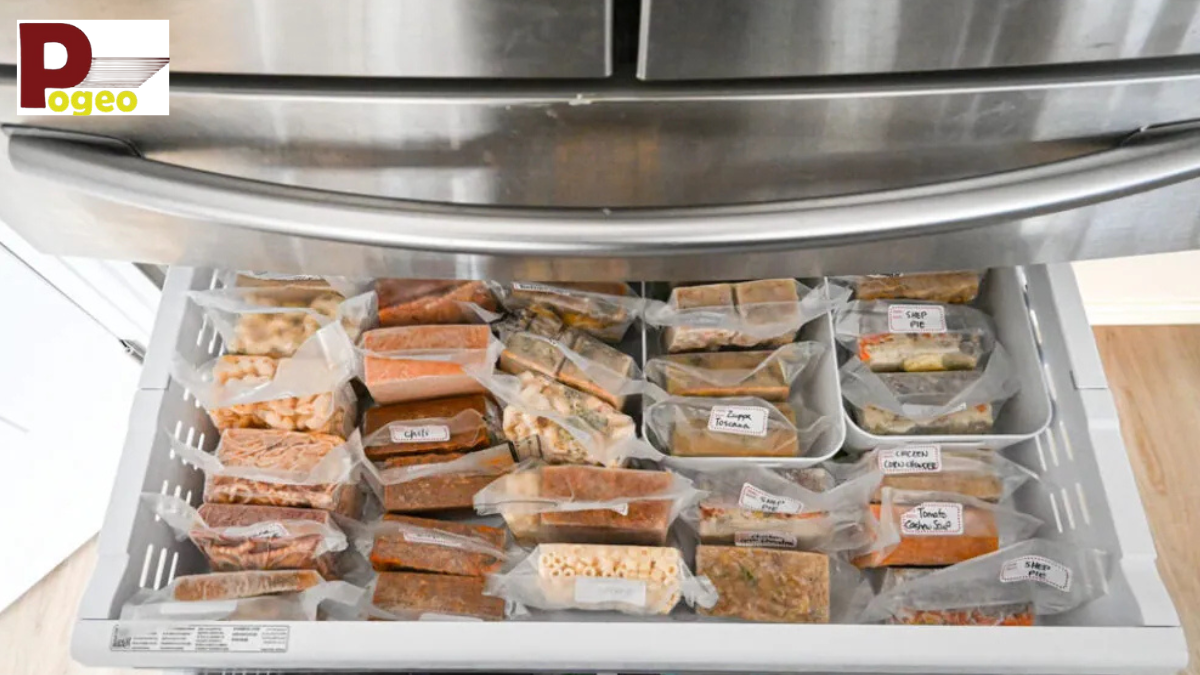
Freezer burn is a frustrating issue that affects the taste, texture, and overall quality of frozen food. It happens when frozen items lose moisture due to exposure to air, leaving dry, discolored patches on meat, vegetables, or even baked goods. Learning how to prevent freezer burn is essential for anyone who wants to keep their meals fresh, nutritious, and enjoyable for longer periods.
Understanding the causes of freezer burn and adopting effective storage strategies can save you both time and money. By taking a few simple precautions, you can protect your food from dehydration, preserve flavor, and reduce waste. With the right approach, freezer burn doesn’t have to ruin your favorite meals.
Understanding Freezer Burn
Freezer burn occurs when frozen food comes into direct contact with air, causing ice crystals to form on its surface. This leads to moisture loss, which results in dry spots, tough textures, and bland flavors. Knowing how to prevent freezer burn begins with understanding how and why it happens.
Temperature fluctuations, long storage periods, and improper packaging all increase the likelihood of freezer burn. Even a brief exposure to air can affect delicate items like ice cream or fish. Recognizing the early signs—such as discoloration, ice crystals, and unusual dryness—can help you take timely action and protect your food.
The Role of Airtight Sealing in Preventing Freezer Burn
One of the most effective ways to prevent freezer burn is using airtight packaging. Vacuum sealers are the top choice because they remove all air, creating a protective environment for your food. Sealing properly blocks oxygen and prevents moisture loss, keeping your meals safe and flavorful.
If a vacuum sealer is not available, heavy-duty freezer bags or airtight containers are excellent alternatives. Press out as much air as possible before sealing. This simple step is a cornerstone in learning how to prevent freezer burn and maintain your food’s quality over time.
Double Wrapping and Proper Packaging Techniques
Double-layer wrapping is a critical method to protect your food from freezer burn. Start by wrapping food in plastic wrap or wax paper, then place it in a freezer-safe bag or container. For large items, adding an extra layer of foil can further protect against air exposure.
When wrapping, make sure the food is completely covered and press out any trapped air. This extra barrier slows down moisture loss and prevents ice crystals from forming. Proper packaging techniques are an easy yet effective way to extend the life of your frozen foods.
Choosing the Right Freezer Temperature
Maintaining the correct freezer temperature is vital for preventing freezer burn. Keep your freezer at 0°F (-18°C) or lower. This ensures that food freezes quickly, forming smaller ice crystals that are less likely to damage the texture or flavor of your meals.
Avoid frequent or prolonged opening of the freezer door, as this can cause temperature fluctuations. Even small changes over time can increase the risk of freezer burn. By keeping a consistent cold environment, you give your food the best chance to stay fresh and tasty.
Organizing Your Freezer for Maximum Freshness
Proper freezer organization is another key factor in preventing freezer burn. Keep a system for labeling and dating all items, and follow a first-in, first-out method to ensure older foods are used first. This reduces the risk of long-term storage issues.
Avoid overcrowding the freezer. Air circulation is essential to maintain consistent temperatures. A well-organized freezer not only prevents freezer burn but also makes it easier to locate items quickly, minimizing the time the door stays open.
Food-Specific Freezing Tips
Different foods require different freezing approaches to prevent freezer burn. For meat, rewrap store packaging in butcher paper, foil, or vacuum-sealed bags. Fish and seafood freeze best when individually portioned and tightly sealed. Vegetables benefit from blanching before freezing to preserve texture and nutrients.
Ice cream should be stored in airtight containers with a layer of plastic wrap directly on the surface. Keep the container in the back of the freezer where the temperature is most consistent. Bread and baked goods can be double-wrapped in freezer paper and bags to retain moisture and flavor.
Modern Hacks to Prevent Freezer Burn
Using innovative techniques can further reduce freezer burn risk. For instance, the water displacement method works well with zipper bags: seal three-quarters of the bag, submerge it in water, and push out the remaining air before sealing fully.
Smart freezer technology also helps. Features like fast-freeze modes, humidity control, and temperature alarms can protect food from ice crystals forming due to fluctuating temperatures. These modern hacks make it easier than ever to keep your food fresh.
Avoiding Common Mistakes
One of the most common mistakes is putting warm food directly into the freezer. This raises the overall temperature and can partially thaw surrounding food, increasing the chance of freezer burn. Allow food to cool to room temperature or refrigerate briefly before freezing.
Another mistake is refreezing thawed food multiple times. Each thaw-refreeze cycle causes moisture loss and makes the food more susceptible to freezer burn. Freeze in smaller portions to avoid leftovers and reduce the need to thaw large batches repeatedly.
Maintaining Nutrient Quality While Freezing
Freezer burn primarily affects texture and flavor but can also reduce nutrient content if food dries out extensively. Proper storage, quick freezing, and airtight packaging help retain both taste and nutrition. Blanching vegetables before freezing preserves vitamins, while vacuum-sealing meat keeps proteins moist.
By paying attention to nutrient preservation, you not only prevent freezer burn but also maintain the health benefits of your frozen foods. Proper techniques ensure your meals are both tasty and nourishing.
Frequently Asked Questions
Can freezer burn make food unsafe to eat?
No, freezer burn doesn’t make food unsafe. However, it can significantly alter taste, texture, and quality.
Is double wrapping necessary to prevent freezer burn?
While not mandatory, double wrapping provides an extra layer of protection against air, which greatly reduces the risk of freezer burn.
How long can food stay in the freezer without freezer burn?
Food properly stored at 0°F (-18°C) can last several months to a year depending on type. Meat and seafood generally last 4–12 months, vegetables 8–12 months, and baked goods 2–6 months.
Does freezer burn affect nutrients?
Yes, in some cases. Moisture loss can reduce the concentration of vitamins and minerals, particularly in fruits and vegetables. Proper packaging minimizes this effect.
Are there eco-friendly ways to prevent freezer burn?
Yes, reusable silicone bags, beeswax wraps, and glass containers with airtight lids are excellent alternatives to plastic, helping prevent freezer burn while being environmentally friendly.
Conclusion
Freezer burn can ruin your favorite meals, but learning how to prevent freezer burn ensures your food stays fresh, flavorful, and safe to eat. By using airtight sealing, proper wrapping, maintaining the correct freezer temperature, and organizing your freezer efficiently, you can extend the life of your food and reduce waste.
Combining modern hacks, food-specific techniques, and careful handling makes preventing freezer burn simple and effective. With these strategies, your freezer can keep your meals delicious and ready to enjoy at any time.
You may also read: How a Sandbox Environment Works