Introduction
Few British performers have built a career as balanced, durable, and artistically respected as Jonathan Pryce. Born in Wales in 1947 and trained at the Royal Academy of Dramatic Art, he developed into a rare kind of actor: one equally at home in the theatre, in prestige television, and in major international films. Across decades of work, he has earned two Tony Awards, two Olivier Awards, an Academy Award nomination, and a knighthood for services to drama, placing him among the most distinguished screen and stage talents of his generation.
What makes his story especially compelling is the breadth of his appeal. Some audiences know him as the unsettling High Sparrow from HBO’s Game of Thrones. Others remember his dignified turn as Prince Philip in Netflix’s The Crown, his moving central performance in The Two Popes, or his work in films such as Brazil, Tomorrow Never Dies, and the Pirates of the Caribbean series. This range explains why interest in his life remains so strong across the UK and beyond: he has never belonged to just one era, one medium, or one style of storytelling.
This article looks closely at the subjects readers most often search for: age, wife, movies, TV shows, awards, and the deeper reasons behind his enduring reputation. Rather than treating him as a celebrity defined by headlines, it explores him as an actor shaped by discipline, stage tradition, intelligence, and an unusual ability to move between intimacy and grandeur. That combination has allowed him to stay relevant for more than fifty years while still feeling fresh to every new generation of viewers.
Early Life and Background of Jonathan Pryce
He was born John Price on 1 June 1947 in Carmel, Flintshire, Wales, and his Welsh identity has remained an important part of how he is understood publicly. Long before fame arrived, he was shaped by a regional background that grounded him in ordinary life rather than in theatrical glamour. That sense of rootedness still appears in the way he speaks about work, reputation, and craft. Even when he plays kings, religious authorities, or powerful patriarchs, there is often something recognisably human and unforced in his performances, as though ambition never fully erased his origins.
His formal acting path took shape at RADA, where he graduated in 1971 with an acting diploma. That training gave him entry into the classical and professional traditions of British performance, but it did not lock him into one mode. Instead, it provided technical control that later allowed him to move freely between Shakespeare, musical theatre, satirical cinema, and prestige television. Many admired actors begin with promise; fewer turn that promise into a working method that survives changing tastes, new audiences, and whole shifts in the entertainment industry. His education gave him a strong foundation, but the longevity came from what he built on top of it.
Early in his career, he joined the Everyman Theatre in Liverpool, a formative environment that helped shape both his confidence and his seriousness. The stage taught him timing, physical presence, and the ability to command attention without relying on cinematic close-ups or editorial tricks. It also exposed him to the kind of ensemble discipline that often distinguishes major theatre actors from performers shaped mainly by screen work. When he later became famous in film and television, that theatrical muscle remained visible. Even in quiet scenes, he tends to project intention, rhythm, and internal structure, qualities often associated with actors whose first real home was the stage.
Jonathan Pryce Age and Personal Life
At the time of writing, he is 78 years old, having been born on 1 June 1947. Yet age, in his case, is less a matter of biography than of artistic accumulation. He belongs to that group of veteran actors whose later career has deepened rather than diminished their power. Instead of appearing locked in nostalgia, he has used maturity to take on roles that demand gravity, experience, and emotional authority. That is one reason audiences who first discovered him decades ago can still recognise the same performer, while younger viewers often meet him as though he has just arrived fully formed on their screens.
His personal life has been notably steady. He met actress Kate Fahy while working in theatre, and after a long relationship they married in 2015. Public biographies also note that they have three children, a detail that helps explain why discussions of his life tend to feel grounded rather than sensational. He has never been known as a star who feeds celebrity culture with constant self-exposure. Instead, his public image has remained shaped by work, not spectacle. That privacy has likely helped preserve the seriousness associated with his name, especially in a media era that often confuses visibility with achievement.
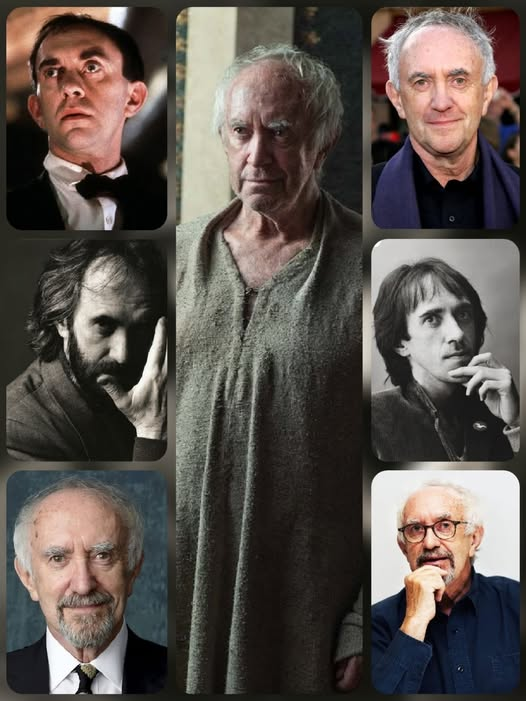
There is something fitting about the quietness of his off-screen life. Many actors build myth by performing their personalities in public; he has built stature by letting the roles speak first. That does not make him distant. On the contrary, it often makes him more interesting. Audiences sense that what they are seeing is a career shaped by commitment rather than self-promotion. For a performer whose screen presence can be so commanding, the absence of theatrical self-branding in daily life has only strengthened his appeal. He feels like an actor from an older, more durable tradition, one in which seriousness of craft remains the real centre of gravity.
How He Built an Acting Career That Lasted Decades
His professional rise was not based on overnight fame but on the slow, exacting accumulation of credibility. In theatre, he quickly proved that he could handle demanding material, and that early respect opened doors to larger opportunities. Winning on stage before becoming a major film figure mattered because it meant he was taken seriously from the start. Directors, critics, and casting teams were not simply looking at charisma; they were looking at discipline, presence, and an actor capable of transformation. That difference helps explain why his career has lasted so long without feeling repetitive or diluted.
Another reason his career endured is versatility without obvious strain. Some actors seem to change genres by abandoning one identity and adopting another. He has rarely needed to do that. Whether appearing in dark satire, historical drama, fantasy television, royal drama, or musical theatre, he brings the same core qualities: intelligence, vocal control, restraint, and a gift for making authority feel layered rather than flat. That consistency allows audiences to trust him even when the material changes radically. It also makes him unusually memorable in ensemble pieces, where he often creates the impression of a full private life existing just beneath the written script.
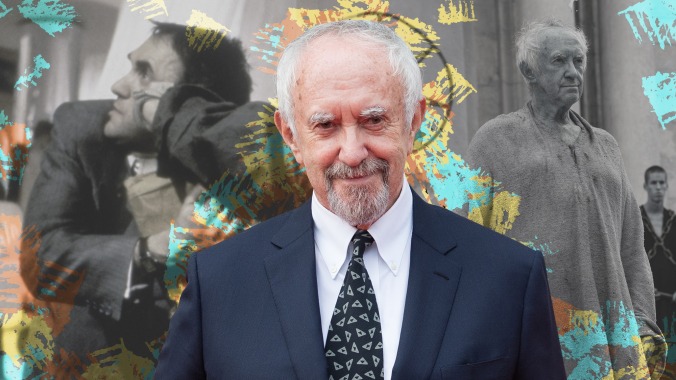
He also chose work that kept him visible in different cultural moments. A cult film such as Brazil gave him artistic prestige. A Bond film brought mainstream recognition. A Disney-linked franchise expanded his reach to global family audiences. Later, prestige television returned him to the centre of conversation. This pattern reveals a smart career instinct: not chasing trends blindly, but entering large cultural spaces without losing personal credibility. It is a difficult balance, and very few actors sustain it over so many decades. His career feels curated, but never calculated in a way that robs it of personality.
Jonathan Pryce Movies That Defined His Career
Any serious discussion of his film legacy begins with Brazil. Terry Gilliam’s dystopian classic remains one of the defining works of 1980s cinema, and his performance as Sam Lowry helped position him as an actor capable of carrying both surrealism and emotional vulnerability. The role demanded more than conventional charm. It required someone who could embody confusion, desire, anxiety, and absurdity inside a nightmarish bureaucratic world. He gave the film a human centre, which is one reason it still resonates. Even viewers discovering it today can see how completely he commits to its strange emotional weather.
From there, his filmography widened in tone and scale. Tomorrow Never Dies placed him inside the machinery of a major James Bond film, giving him a visible role in one of Britain’s most globally recognisable franchises. Later, his performance as Governor Weatherby Swann in Pirates of the Caribbean introduced him to a vast international audience that might never have known his theatre history or earlier film work. In these projects, he demonstrated a valuable skill: the ability to give dignity and texture to characters in large commercial entertainment without overplaying their importance. He never seems to fight for attention, yet viewers remember him.
One of the most meaningful film milestones of his later career came with The Two Popes. His portrayal of Cardinal Jorge Bergoglio, the future Pope Francis, earned him an Academy Award nomination for Best Actor at the 92nd Oscars. More importantly, the performance showed the full maturity of his screen technique. He did not approach the role as a historical imitation alone; he played it with warmth, intelligence, humility, and spiritual complexity. The film required dialogue-heavy scenes, moral tension, and emotional quietness, and he met all of those demands with extraordinary control. It was the kind of performance that feels modest while being deeply skilled.
What makes his film work especially satisfying is the way each phase reveals a different facet of his talent. Early roles display nervous intensity and a slightly dangerous unpredictability. Middle-career films often lean into authority, wit, or sardonic intelligence. Later performances draw on tenderness, fatigue, reflection, and moral depth. In that sense, his filmography is not just a list of titles but a record of artistic evolution. He did not freeze himself inside one marketable image. Instead, he allowed time to reshape the kinds of stories he could tell, which is exactly why his work still feels alive rather than museum-like.
Jonathan Pryce TV Shows and Memorable Screen Roles
Television gave him a different kind of visibility, one that brought his artistry into living rooms and streaming platforms at moments when serial storytelling became culturally dominant. His role as the High Sparrow in Game of Thrones is one of the clearest examples. The character could easily have been played as a simple zealot, yet he made him unsettling through calm conviction rather than explosive force. That choice made the performance more memorable. He did not dominate scenes through sheer volume or villainy; he used stillness, certainty, and moral pressure, turning soft speech into a form of power.
His work in The Crown offered a very different challenge. Playing Prince Philip in the final two seasons required him to inhabit a figure who was widely known, heavily scrutinised, and emotionally linked to real public memory. Netflix identifies him as part of the principal cast of the series, and official material from the platform centres him in the later royal ensemble. Rather than chasing impersonation for its own sake, he aimed for something subtler: a version of Philip marked by age, loyalty, fatigue, irony, and long partnership. It is a performance built less on surface mimicry than on interior rhythm.
Before and between those marquee roles, he also appeared in television work that strengthened his standing as a dependable presence in serious drama. Projects such as Wolf Hall demonstrated how naturally he fits historical and literary material, while other series confirmed his ability to enrich ensemble storytelling without overwhelming it. This matters because television often rewards recognisable patterns, and many performers end up repeating one effective mode. He tends to do something more interesting. He adjusts the scale of his presence to fit the world of the show, which is one reason he can feel perfectly calibrated whether the material is intimate, epic, political, or darkly comic.
Another strength of his television work is generational reach. Audiences who met him through Game of Thrones may later discover The Two Popes, Brazil, or his theatre achievements. Others who knew him first from the stage or from 1980s and 1990s film may have found new appreciation through The Crown. Television, in this sense, has not simply extended his career; it has helped connect different parts of it. Few actors manage to use modern series as a bridge between old and new audiences so effectively. His screen life keeps renewing itself because each strong role sends viewers backward as well as forward.
Theatre and Stage Work at the Heart of His Reputation
However well known he may be to film and television audiences, the heart of his reputation still lies in theatre. His stage career is not a decorative background detail; it is the foundation of everything else. Broadway and London theatre recognised his talent early, and that recognition shaped the seriousness with which later screen work was received. There is a long tradition in British acting of performers whose credibility is forged before a live audience, where nothing can be hidden by editing. He belongs firmly to that lineage, and his stage record helps explain the unusual confidence he brings to difficult roles.
One of his earliest major stage triumphs came with Comedians, which won him a Tony Award after the production reached Broadway. That success was not only an award milestone; it marked him as an actor capable of commanding highly verbal, sharply observed writing. Later, Miss Saigon brought him a second Tony, this time for a musical performance that showed how much range sat inside his craft. Many actors succeed either in spoken drama or in musical theatre. Excelling in both is rarer. The achievement revealed a performer with vocal authority, theatrical stamina, and a willingness to take risks in very different forms.
His stage résumé also includes major classical and dramatic roles such as Hamlet, Macbeth, King Lear, The Merchant of Venice, and acclaimed performances in productions like My Fair Lady, Oliver!, Dirty Rotten Scoundrels, and Glengarry Glen Ross. What matters here is not just volume but breadth. He has moved between Shakespeare, contemporary drama, revival theatre, and musical theatre with uncommon authority. Each mode demands a different relationship to language, body, and audience expectation. That he has navigated all of them successfully is a reminder that his career rests on technical versatility, not merely prestige or familiarity.
The stage also illuminates something essential about his acting style: the balance between control and danger. In theatre, control is necessary because form must hold. Yet great live performance also needs unpredictability, a sense that something personal is happening in real time. He has long been admired for that tension. Even in polished productions, he can suggest volatility beneath the surface. That quality later served him beautifully on screen, where a slight shift in tone or glance can transform a scene. His theatre work, then, is not just an achievement list. It is the living laboratory in which his broader artistry was forged.
Jonathan Pryce Awards and Career Recognition
The awards attached to his name are impressive not merely because they are numerous, but because they span different media and phases of a long career. He has won two Tony Awards and two Olivier Awards, distinctions that place him in the highest ranks of English-language stage acting. He has also received an Academy Award nomination for The Two Popes, along with major nominations in television and film across BAFTA, Emmy, and related honours. This range matters because it shows that his excellence has not been confined to one niche. Institutions across theatre, cinema, and television have all recognised the same underlying quality: sustained artistic seriousness.
A knighthood in 2021 added a broader national dimension to that recognition. Government reporting on the Birthday Honours noted that he received the honour as a Welsh actor, affirming not only personal success but public cultural value. Such recognition does not come from a single hit role or a temporary wave of popularity. It reflects decades of contribution to drama and, in his case, a reputation for integrity that extends beyond awards-season excitement. The title “Sir” feels appropriate not because it flatters celebrity, but because it matches the scale of a career built patiently over time.
Awards, of course, never tell the whole story. Many wonderful performances go unrewarded, and some honours fade quickly from public memory. Yet in his case, the pattern of recognition helps confirm what audiences and critics have long sensed. He is not a performer remembered for one lucky casting decision or one era-defining image alone. He has earned respect repeatedly, in different forms, before different audiences, over many decades. That kind of consistency is rarer than sudden fame and, in the long run, far more meaningful. It is one of the clearest signs that his place in acting history is secure.
Why Critics and Audiences Continue to Admire His Work
Part of his appeal lies in precision. He is an actor who rarely wastes energy. Rather than decorating every line with theatrical flourish, he often works by stripping moments back to their pressure points. A pause, a glance, a measured change in vocal tone can carry enormous weight in his performances. This economy makes him especially effective in roles built around power, faith, doubt, or authority. He understands that commanding characters do not always need to shout. Sometimes the quietest person in a room becomes the most compelling simply because every word feels chosen. That is a skill rooted in discipline, not charisma alone.
Another reason he remains admired is emotional ambiguity. He can play warmth without sentimentality and severity without reducing a character to coldness. In The Two Popes, this meant presenting spiritual introspection with tenderness and thought. In Game of Thrones, it meant allowing moral certainty to become deeply unsettling. In major stage roles, the same quality helps him avoid simplification. He does not flatten difficult people into villains or saints. Instead, he often suggests competing motives at once, inviting viewers to keep looking rather than settle too quickly. That layered approach gives his work durability; it rewards return viewing because it is rarely exhausted in a single glance.
He also carries the authority of craft without seeming self-conscious about it. Many highly trained actors can appear to be displaying technique. He more often makes technique disappear into the performance itself. That quality is especially attractive to audiences who may not think in formal acting terms but respond instinctively to truthfulness. Whether he is playing a churchman, a royal figure, a bureaucratic dreamer, or a stage giant from a classic text, he gives the impression of inhabiting a life rather than demonstrating a concept. In a culture full of overstatement, that kind of calm command remains unusually persuasive.
Legacy Across Film Television and Theatre
His legacy is remarkable because it is genuinely three-dimensional. Some actors are immortalised mainly through film, others through stage legend, and others through one dominant television role. He has meaningful claims in all three areas. Theatre gave him formal prestige and artistic authority. Film gave him international reach and memorable characters across different genres. Television connected him with vast modern audiences and reintroduced him to viewers who may not have known his earlier work. Put together, those strands create a career that looks less like a sequence of jobs and more like a complete map of modern acting possibility.
There is also a broader cultural reason his legacy will endure. He represents a bridge between traditions that are sometimes kept apart in public discussion: classical theatre, auteur cinema, blockbuster entertainment, and prestige streaming drama. He has succeeded in each without seeming to betray the others. That makes him useful, in the best sense, to the history of British performance. Students can study him for technique, critics can admire him for consistency, and general audiences can remember him through beloved roles. Very few actors manage to be both educationally important and genuinely popular. He has done that almost by refusing to choose between seriousness and accessibility.
As the years pass, it is likely that different generations will keep claiming different versions of his career as their own. One group will treasure the theatre triumphs. Another will hold on to Brazil. Others will remember the High Sparrow, Prince Philip, or the humanity of The Two Popes. That variety is a sign of lasting success. A narrow career can be admired, but a many-sided one can keep being rediscovered. His body of work invites that rediscovery because it offers so many entry points and because the performances themselves remain rich enough to reward attention.
Conclusion
Jonathan Pryce stands as one of the clearest examples of what a full acting career can look like when it is built on training, discipline, and artistic range rather than short-term visibility. From his Welsh beginnings and RADA education to Broadway honours, major film roles, prestige television performances, and a national honour in the form of a knighthood, his journey reflects more than simple success. It reflects durability. He has shown that longevity in the arts is not just about surviving change, but about using change to reveal new depths.
For readers searching age, wife, movies, TV shows, and awards, the answer is ultimately larger than a list of facts. Yes, those details matter, and they help explain why his public profile remains strong. But the deeper reason people continue to search for him is that his work keeps leaving an impression of intelligence, gravity, and emotional truth. In an industry crowded with noise, he has built a reputation that feels quietly unshakeable. That is why his name continues to matter, and why his legacy is likely to remain secure for many years to come.
FAQs
How old is he?
He was born on 1 June 1947, which makes him 78 years old at the time of writing. His age matters in the context of his career because many of his most acclaimed later performances have arrived in recent years, showing how experience has expanded rather than reduced his strength as a performer. His later work in film and television has added fresh layers to a reputation that was already firmly established on stage.
Who is his wife?
He is married to actress Kate Fahy. Public biographies note that they met through theatre, maintained a long relationship, and married in 2015. They also have three children. This steady personal history is one reason coverage of his life tends to focus more on craft and longevity than on scandal or celebrity drama. His family life has remained private, but the broad outline is consistent across major biographical sources.
What are his most famous movies?
His best-known films include Brazil, Tomorrow Never Dies, The Two Popes, and the Pirates of the Caribbean series, where he played Governor Weatherby Swann. These titles matter for different reasons: cult prestige, mainstream blockbuster visibility, awards recognition, and global franchise reach. Together they show how effectively he has moved between artistic cinema and popular entertainment without losing the seriousness that defines his screen presence.
What TV shows is he best known for?
For many viewers, his most memorable television roles are the High Sparrow in HBO’s Game of Thrones and Prince Philip in Netflix’s The Crown. Those performances are strikingly different, which is part of what makes them so impressive. One is built around austere spiritual force, while the other depends on restraint, history, and emotional intelligence. Both roles helped introduce his work to audiences who may not have known his earlier theatre or film career.
Did he win major awards for theatre?
Yes. He won Tony Awards for Comedians and Miss Saigon, and he also has two Olivier Awards to his name. Those honours place him in a very select group of performers whose stage work has been recognised at the highest level on both sides of the Atlantic. The awards are significant because they confirm that his reputation was built first on live performance, where technique and presence must stand on their own.
Was he nominated for an Oscar?
Yes. He received an Academy Award nomination for Best Actor for The Two Popes at the 92nd Academy Awards. The nomination was especially meaningful because it came after decades of acclaimed work and highlighted the strength of one of his most humane and nuanced screen performances. It also brought wider international attention to a performer whose excellence had long been recognised in theatre and by discerning film audiences.
Why is he considered such a respected actor?
He is respected because his career combines technical control, emotional subtlety, and unusual range across theatre, film, and television. He can play authority without stiffness, vulnerability without sentimentality, and intelligence without showing off. That balance has made him valuable to major directors, producers, and audiences for decades. His performances often feel carefully shaped but never artificial, which is one of the hardest qualities for any actor to sustain over a long career.
Why does his legacy feel so lasting?
His legacy endures because it does not rest on a single era or a single role. Stage audiences remember the theatre triumphs, film lovers remember Brazil and later screen work, and television audiences know him from globally watched series. That spread of recognition gives his career unusual resilience. As tastes change, different parts of his body of work become newly visible, ensuring that future viewers will continue to discover him from more than one direction.
You may also read: Legitimacy and Safety Concerns of quikconsole com