
Kiln dried logs have become the preferred choice for firewood users across the UK, thanks to their clean burn, high heat output, and ease of use. Whether you rely on firewood for home heating or enjoy outdoor fires and cooking, kiln dried logs offer a reliable and efficient solution. Their growing popularity is driven by tighter air quality regulations and a greater demand for ready-to-burn fuel.
Unlike traditional firewood, kiln dried logs are processed to remove excess moisture, allowing them to burn hotter and with far less smoke. This makes them suitable for modern wood-burning stoves, open fires, and outdoor applications. For anyone seeking consistent performance and minimal hassle, kiln dried logs are now considered the gold standard in UK firewood.
What Are Kiln Dried Logs
Kiln dried logs are firewood logs that have been dried in a specialist kiln under controlled temperature and humidity conditions. This process reduces the moisture content of the wood to below 20 percent, which is the level required for efficient and clean combustion. Low moisture content means more energy is released as heat rather than being wasted on evaporating water.
The kiln drying process also removes insects, mould, and fungi that may be present in untreated wood. As a result, kiln dried logs are cleaner, lighter, and safer to store indoors. Once dried, the logs are ready to use immediately, eliminating the need for long seasoning periods that traditional firewood requires.
Why Kiln Dried Logs Are Better Than Traditional Firewood
One of the biggest advantages of kiln dried logs is their superior burning efficiency. Because they contain less moisture, they ignite quickly and produce a strong, consistent flame. This allows users to achieve the same level of heat with fewer logs, improving overall fuel efficiency and reducing waste.
Kiln dried logs also produce far less smoke than wet or poorly seasoned wood. Reduced smoke helps protect chimney systems from creosote build-up, lowers maintenance costs, and improves indoor air quality. For homes in smoke control areas, kiln dried logs are a safer and more compliant option when used correctly.
How Kiln Dried Logs Are Made
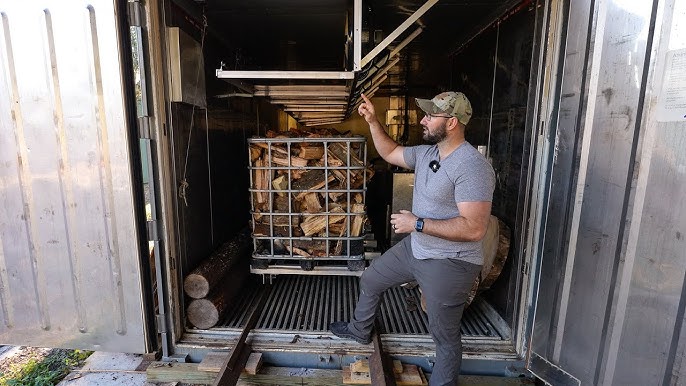
The production of kiln dried logs begins with carefully selected timber, most commonly hardwoods such as oak, ash, beech, and birch. The logs are cut to size and placed inside a drying kiln, where warm air is circulated at controlled temperatures. This environment allows moisture to be removed evenly and efficiently.
The drying process usually takes several days, depending on the wood type and log size. By the end of the process, the logs reach the ideal moisture level for burning. Compared to air drying, which can take up to a year, kiln drying provides a faster and more reliable way to produce ready-to-burn firewood.
Types of Kiln Dried Logs Available in the UK
There are several types of kiln dried logs available, each offering different burning characteristics. Oak kiln dried logs are popular for their long burn time and high heat output, making them ideal for extended indoor heating. Ash logs provide a steady flame and are known for their reliability and affordability.
Beech kiln dried logs offer a balanced burn with a pleasant aroma, while birch logs are valued for their quick ignition and bright flame. Many suppliers offer mixed loads of kiln dried logs, allowing users to benefit from different wood types depending on how the firewood will be used.
How to Store Kiln Dried Logs Correctly
Although kiln dried logs are already dry, proper storage is essential to maintain their quality. Logs should be stored in a dry, well-ventilated area and kept off the ground to prevent moisture absorption. Exposure to rain or damp conditions can undo the benefits of kiln drying.
A covered log store with open sides is ideal, as it allows airflow while protecting the logs from the elements. When stored correctly, kiln dried logs remain ready to burn and retain their high performance over time.
Using Kiln Dried Logs for Different Purposes
Kiln dried logs are extremely versatile and suitable for many uses. In the home, they perform exceptionally well in wood-burning stoves, open fireplaces, and multi-fuel stoves. Their steady burn and high heat output make them ideal for consistent indoor heating during colder months.
For outdoor use, kiln dried logs are perfect for fire pits, chimeneas, pizza ovens, and barbecues. They light easily, burn cleanly, and produce minimal smoke, making outdoor gatherings more enjoyable. Their clean burn also enhances flavour when used for outdoor cooking.
Cost of Kiln Dried Logs and Long-Term Value
Kiln dried logs typically cost more than traditional firewood, but they offer better long-term value. Their efficiency means fewer logs are required to produce the same level of heat, which can reduce overall fuel consumption. They are also lighter and easier to handle, improving convenience.
Lower smoke output and reduced chimney build-up can also lower maintenance costs over time. When quality, efficiency, and safety are considered, kiln dried logs represent a cost-effective choice for regular firewood users.
Why Kiln Dried Logs Are a Smart Choice
As environmental awareness increases and regulations tighten, kiln dried logs have become the preferred option for responsible firewood use. Their clean burn, low moisture content, and consistent performance make them suitable for modern heating needs across the UK.
For homeowners, outdoor enthusiasts, and anyone seeking dependable firewood, kiln dried logs deliver a superior experience with fewer drawbacks than traditional alternatives.
Final Thoughts on Kiln Dried Logs
Kiln dried logs offer a reliable, efficient, and environmentally responsible solution for heating and outdoor fires. Their low moisture content ensures a hotter burn, reduced smoke, and improved safety, making them ideal for a wide range of uses.
Although they may cost slightly more upfront, the long-term benefits of kiln dried logs make them a worthwhile investment. With proper storage and correct use, they provide one of the best firewood experiences available in the UK.
Frequently Asked Questions
What is the difference between kiln dried logs and seasoned logs?
Kiln dried logs have a much lower moisture content, allowing them to burn hotter and cleaner than seasoned logs.
Can kiln dried logs be stored outside?
Yes, but they should be kept covered and raised off the ground to prevent moisture absorption.
Do kiln dried logs burn longer?
They burn more efficiently and consistently, with burn time depending on the wood type used.
Are kiln dried logs environmentally friendly?
Yes, they produce less smoke and emissions, making them a cleaner option for heating and outdoor fires.
You may also read: Certainly Wood’s Product Range: What You Can Expect