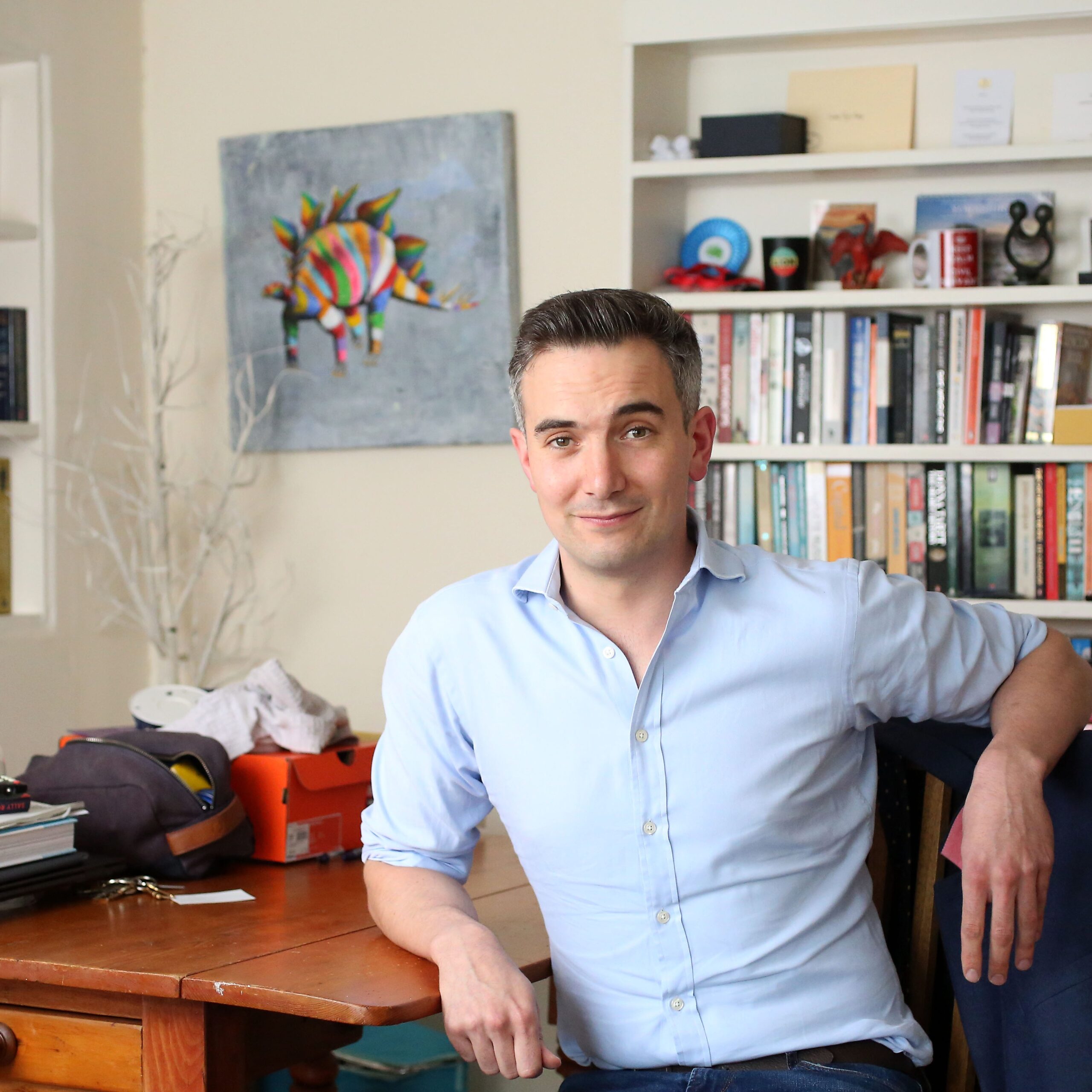
Introduction
Luke Tryl is a prominent British political researcher and commentator known for his work in public opinion analysis, education policy, and social research. As the Executive Director of More in Common UK, he plays a key role in studying voter behaviour, social division, and cultural attitudes across the United Kingdom. His work is frequently referenced in political discussions because it helps explain how different communities think, vote, and respond to national events in a rapidly changing political environment.
Over the years, Luke Tryl has built a reputation for translating complex research into clear and practical insights. His analysis is often used by policymakers, journalists, and institutions seeking to better understand the public mood. In an era where political trust is declining and social divisions are increasing, his research-based approach has made him an important figure in shaping conversations about democracy, governance, and the future of UK politics.
Early Life and Education
Luke Tryl developed his academic and analytical foundation through a strong educational background, including studies at the University of Oxford. His time in higher education helped him build a deep understanding of political systems, governance structures, and public policy development. This academic environment also strengthened his ability to think critically, debate ideas, and engage with complex societal issues that would later define his professional career.
During his early development, Tryl was exposed to intellectual environments that encouraged evidence-based thinking and public service values. This foundation played a key role in shaping his interest in education reform and political analysis. His education not only provided theoretical knowledge but also helped him develop communication and leadership skills that became essential in his later roles within government and research organisations.
Professional Career Overview

Luke Tryl’s professional journey spans several influential roles across government, education policy, and research institutions. He has worked in strategic and advisory positions where he contributed to shaping policy direction and organisational development. One of his early notable roles was at the Department for Education, where he served as a Special Adviser, supporting education policy development and ministerial decision-making processes.
He later held senior positions including Director of Corporate Strategy at Ofsted, where he was responsible for overseeing strategic planning, research functions, and external communications. He also worked with organisations such as the New Schools Network and Public Policy Projects, where he focused on education reform and policy innovation. These experiences helped him build a strong reputation as a strategic thinker with deep expertise in education and public sector reform.
Role at More in Common UK
As Executive Director of More in Common UK, Luke Tryl leads research focused on understanding social cohesion, voter behaviour, and public attitudes across Britain. The organisation is known for using surveys, focus groups, and data-driven insights to explore how different communities experience politics and society. Under his leadership, the organisation has produced influential reports that highlight divisions in trust, identity, and political engagement.
His work at More in Common UK also focuses on explaining major political trends such as populism, declining trust in institutions, and the changing relationship between voters and political parties. By presenting research in an accessible way, he helps bridge the gap between academic analysis and public understanding. This has made his work especially valuable to policymakers who are trying to address political disengagement and social fragmentation.
Media Commentary and Public Influence
Luke Tryl is also widely recognised as a media commentator who contributes to national debates on politics and society. He has written for major UK publications and is often invited to share his insights on political developments, voter behaviour, and public opinion trends. His ability to break down complex research into simple explanations makes him a trusted voice in both traditional media and digital platforms.
In addition to written contributions, he frequently appears in interviews, podcasts, and panel discussions. These appearances allow him to communicate research findings directly to a wider audience. His commentary often focuses on how political parties can better understand public concerns, how trust in institutions can be rebuilt, and how long-term social trends are shaping the future of democracy in the UK.
Influence on UK Politics and Society
Luke Tryl’s research has had a noticeable influence on how political leaders and institutions interpret public opinion in the UK. His analysis of voter sentiment provides insights into why certain political movements gain support and why traditional parties sometimes struggle to connect with voters. This work is particularly relevant in understanding shifts in electoral behaviour and growing dissatisfaction with mainstream politics.
Beyond elections, his research also addresses broader social issues such as education inequality, cultural identity, and community cohesion. By highlighting both divisions and shared values within society, his work encourages more balanced discussions about policy solutions. His contributions help decision-makers understand not only what the public thinks, but also why those views are formed, making his influence significant in shaping modern political strategy.
Personal Life and Public Perception
Luke Tryl maintains a professional public presence, particularly through social media platforms where he shares research findings and engages with political discussions. His communication style is generally focused on clarity and evidence, which has helped him build a reputation for being analytical and non-partisan. This approach makes his commentary widely respected across different political perspectives.
Public perception of Luke Tryl is largely positive within policy and media circles, where he is seen as a reliable interpreter of public opinion data. His ability to remain focused on research rather than political affiliation has contributed to his credibility. This balanced approach has strengthened his position as a trusted commentator in discussions about UK politics and social change.
Conclusion
Luke Tryl has established himself as an important figure in UK political research and public policy analysis. Through his roles in government, education reform, and research organisations, he has developed a strong understanding of how institutions and citizens interact. His work continues to provide valuable insights into voter behaviour, social attitudes, and political trends shaping the future of the United Kingdom.
As Executive Director of More in Common UK, he plays a key role in explaining the complexities of modern society in a way that is accessible and evidence-based. His contributions to media, policy discussions, and public debate make him a significant voice in contemporary political analysis. In a time of rapid change and growing division, his work helps improve understanding between the public and decision-makers.
FAQ
Luke Tryl is often asked about his background, career, and role in UK politics. Common questions include who he is, what he does at More in Common UK, and how his research influences political discussions. He is best known as a political researcher and commentator who focuses on voter behaviour, social attitudes, and public opinion trends across the United Kingdom.
Other frequently asked questions relate to his previous roles and contributions to education policy. People often want to know about his work at Ofsted, his advisory role in government, and his involvement in think tanks and policy organisations. These experiences collectively shaped his expertise in understanding public institutions, education systems, and political behaviour.
Another set of questions focuses on his influence and impact. Luke Tryl is widely recognised for helping explain political trends such as populism, declining trust in institutions, and voter disengagement. His research is frequently used in media and policy discussions to better understand how society is changing and how political leaders can respond effectively.
You may also read: Choosing Lightweight Silk Pajamas for Breathable Luxury and Relaxed Bedtime Style