
What is Luxury Car Tax (Expensive Car Supplement) in the UK
Luxury car tax in the UK is officially known as the Expensive Car Supplement (ECS) and forms part of the Vehicle Excise Duty (VED) system. It is applied to vehicles that exceed a specific list price when new, meaning it is based on the manufacturer’s recommended retail price rather than the amount a buyer actually pays after discounts. This tax is designed to apply additional annual charges to higher-value vehicles for a fixed period of ownership.
The ECS is not a separate tax category but an extension of the standard road tax system. It is automatically applied during vehicle registration when the price threshold is exceeded. Many buyers misunderstand it as a luxury penalty, but in reality, it is simply a structured surcharge within VED rules. It ensures that higher-priced vehicles contribute more to public road funding over their early ownership years.
How Luxury Car Tax Works in 2025–2026
In the 2025–2026 system, the Expensive Car Supplement applies to petrol, diesel, and hybrid vehicles with a list price above £40,000. For electric vehicles, the threshold is changing to £50,000 from April 2026, reflecting updated UK government tax policy on EV adoption. Importantly, the calculation includes optional extras, meaning factory upgrades can push a car over the threshold even if the base model is cheaper.
The tax is charged at approximately £440 per year for five years, starting from the second year of registration and continuing through to year six. It is added on top of the standard VED, which is typically around £195 per year for most vehicles registered after 2017. The first year of ownership is different, as it is based on CO2 emissions and can vary significantly depending on the vehicle’s environmental performance.
Price Thresholds, Rules and Key Tax Conditions
The most important rule in luxury car tax is the £40,000 list price threshold, which determines whether a vehicle qualifies for the Expensive Car Supplement. This price includes all factory-fitted options, meaning the final on-the-road value at the time of registration is what matters. Even a vehicle discounted by a dealer will still be taxed based on its original list price, which often surprises first-time buyers of premium or heavily optioned cars.
Another key condition is the duration of the charge. The ECS applies for five consecutive years, specifically from year two to year six of ownership. After this period, only the standard VED is payable. This fixed structure makes it easier to predict long-term ownership costs, but it also means buyers must consider not just the purchase price but also several years of additional taxation when budgeting for a vehicle.
Vehicles Affected and Real-World Examples
A wide range of vehicles are affected by luxury car tax, and it is no longer limited to traditional high-end luxury brands. Due to rising vehicle prices and increased technology features, many mid-range cars now exceed the £40,000 threshold. SUVs, plug-in hybrids, and even well-equipped family hatchbacks can easily fall into the taxable category once optional extras are included at the point of purchase.
Common examples include models such as the BMW 3 Series, Audi A3 plug-in hybrid, and higher-spec versions of the Tesla Model 3 and Model Y. Larger SUVs like the Audi Q-series and Mercedes GLC can also be affected depending on specification. This shows how the definition of “luxury” has expanded in recent years, making the tax relevant to a much broader group of UK car buyers than originally intended.
Electric Vehicles and the 2026 Tax Update
Electric vehicles were previously exempt from the Expensive Car Supplement, but this changed as part of the UK government’s updated vehicle tax strategy. From April 2025, many EVs began to fall under the ECS rules, and from April 2026 the threshold for electric cars increases to £50,000. This adjustment is intended to balance environmental incentives with fair taxation across all vehicle types.
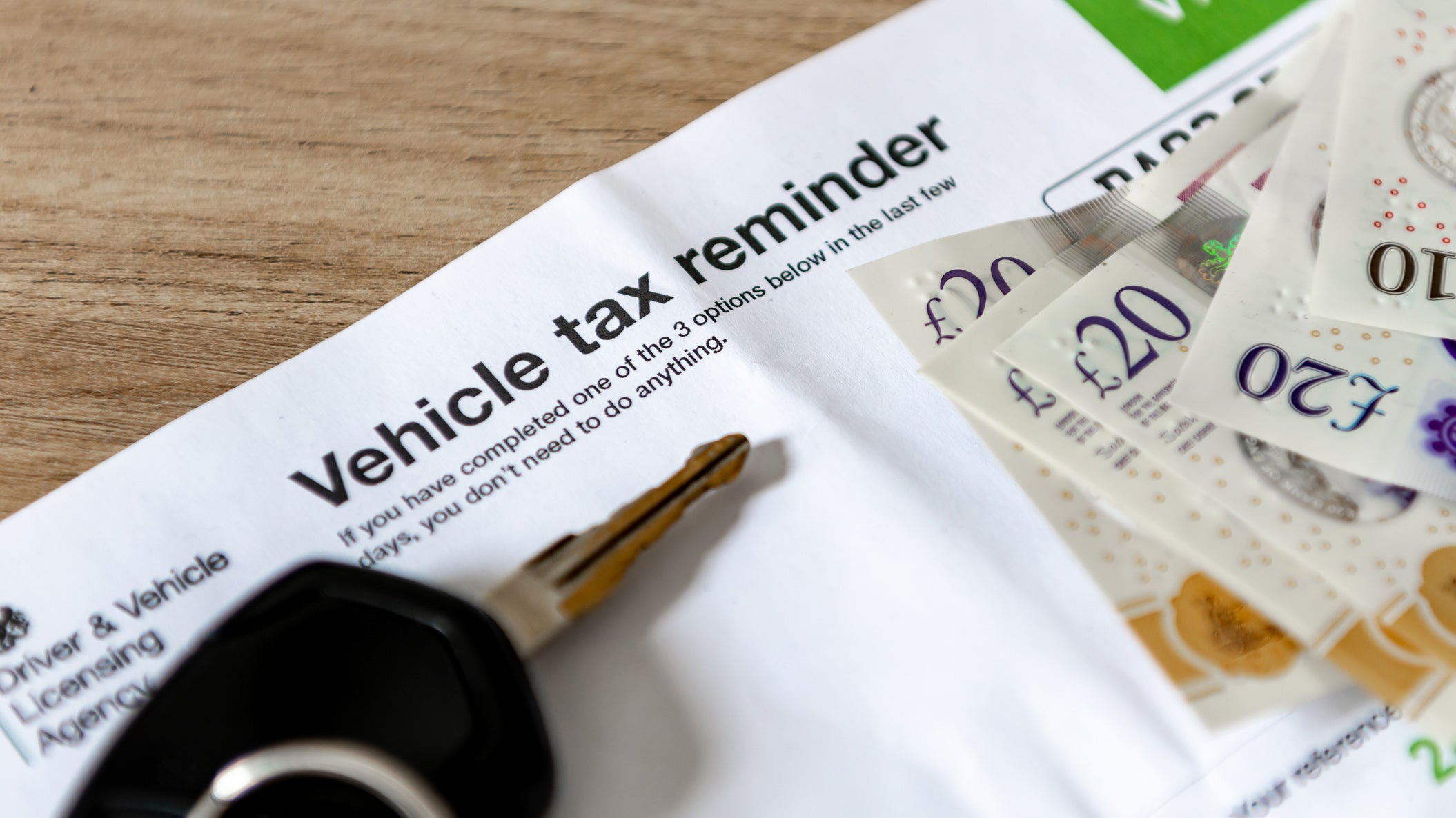
This change has a significant impact on the EV market because many popular electric models fall close to or above this price range. Premium electric SUVs and long-range EVs are most affected, while entry-level electric cars often remain below the threshold. Buyers must now carefully check specifications, as optional extras or higher trims can push an EV into the taxable bracket even if the base model qualifies for exemption.
How to Check Your Luxury Car Tax and Calculate Costs
Checking whether a vehicle is subject to luxury car tax is straightforward using the official DVLA vehicle enquiry service. By entering a registration number, drivers can view both standard road tax and any applicable Expensive Car Supplement. However, for new cars, it is essential to check the original list price rather than resale value, as tax eligibility is based entirely on the manufacturer’s pricing at first registration.
To estimate total ownership costs, buyers should calculate tax over a five-year period. A qualifying vehicle typically incurs around £620 per year, combining standard VED and ECS. Over five years, this results in approximately £3,000 or more in additional tax. This makes it important for buyers to consider long-term costs early in the decision-making process rather than focusing only on the purchase price.
Can You Avoid or Reduce Luxury Car Tax Legally
There are limited but legal ways to avoid paying the Expensive Car Supplement. The most effective method is to choose a vehicle with a list price under £40,000, including all optional extras. This requires careful configuration when ordering a new car, as even small upgrades such as interior packs or technology features can push the price above the threshold and trigger the tax automatically.
Another option is purchasing a used vehicle that is more than six years old, as the ECS only applies for the first five years after the second year of registration. Buyers can also reduce costs by selecting lower-spec models or avoiding expensive factory options. However, there are no legal loopholes beyond these strategies, as the tax is automatically enforced through DVLA registration records.
Impact of Luxury Car Tax on Buyers and the Market
The Expensive Car Supplement has had a noticeable effect on the UK automotive market by influencing buyer behavior and vehicle specification choices. Many buyers now focus more carefully on total cost of ownership rather than just purchase price. This has led to increased demand for base-spec models and more cost-conscious configurations, especially in the premium vehicle segment where optional extras can significantly increase tax liability.
It has also contributed to a shift in how manufacturers structure pricing and trim levels. More vehicles are being designed to sit just below the £40,000 threshold in entry-level trims, allowing them to remain tax-efficient for consumers. As a result, luxury car tax has indirectly influenced both consumer purchasing decisions and automotive product planning across the UK market.
FAQ – Luxury Car Tax UK
Luxury car tax, or the Expensive Car Supplement, is applied to vehicles with a high list price when new and is added on top of standard road tax. It applies for a fixed five-year period and is based on the manufacturer’s original pricing, including optional extras. Many buyers search for clarity on how it works because it directly affects long-term ownership costs and can significantly increase annual vehicle expenses compared to standard cars.
The typical rate is around £440 per year, in addition to standard VED charges. This means most affected vehicles cost roughly £620 per year in tax during the ECS period. Buyers often underestimate the total cost over five years, which can exceed £3,000. Understanding this breakdown is important when comparing vehicles, especially in the premium and electric car segments where prices frequently exceed the threshold.
Electric vehicles are no longer fully exempt from luxury car tax. From 2026, the threshold increases to £50,000, meaning many EVs will still avoid the charge, but higher-spec models will not. The system now treats EVs more similarly to other vehicles in terms of taxation, although incentives still exist through lower running costs and reduced emissions-based charges in other parts of the VED system.
There is no way to completely bypass the tax if a vehicle qualifies, but buyers can legally avoid it by choosing cars below the threshold or purchasing used models older than six years. Careful selection of optional extras is also important, as small additions can push a vehicle into the taxable range. Because the system is automated through registration data, compliance is automatic and unavoidable once conditions are met.
You may also read: Luxury Vinyl Flooring UK: The Ultimate Guide to Stylish, Durable & Waterproof Floors