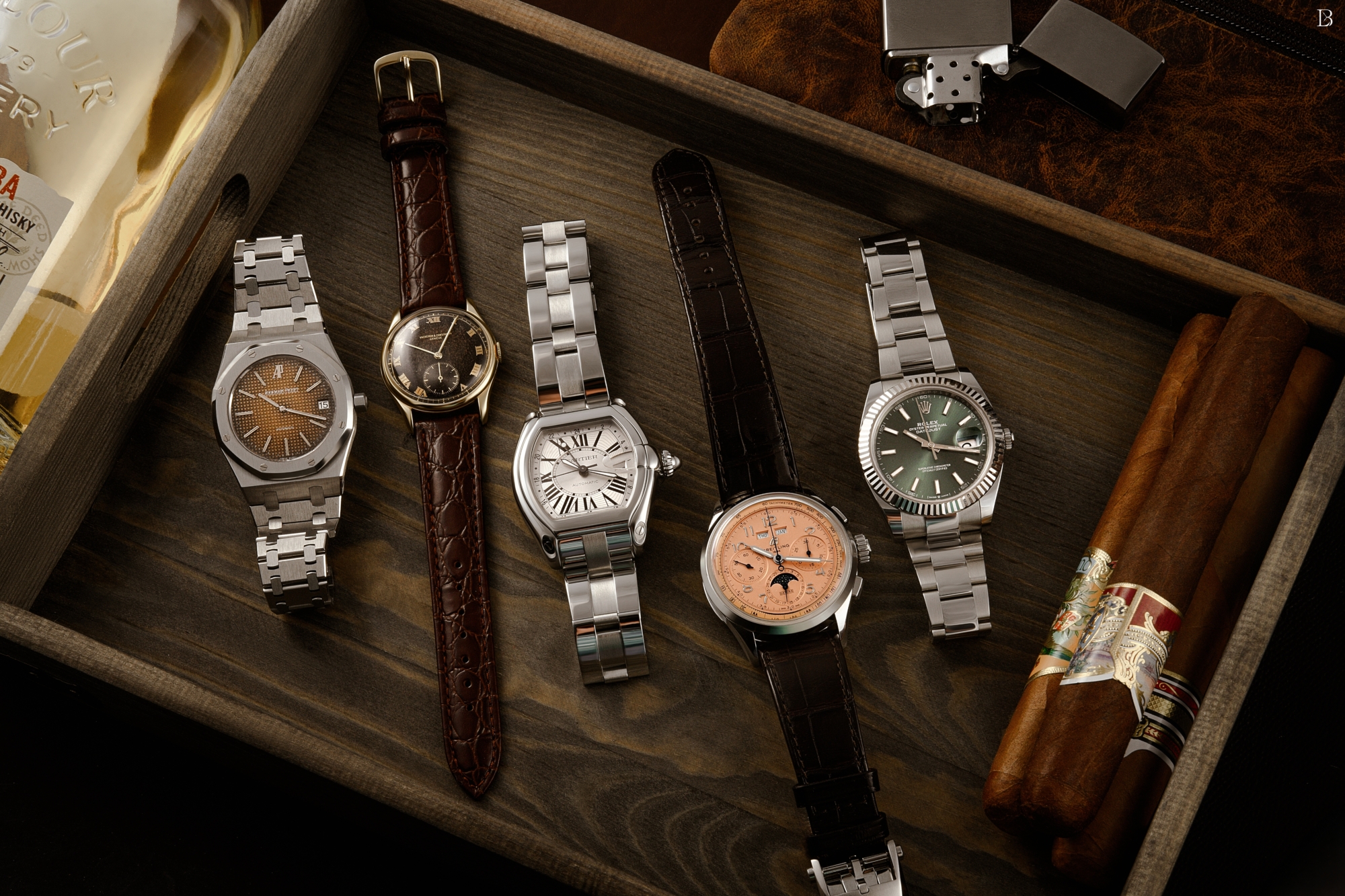
Introduction to Luxury Watches
Luxury watches represent a refined blend of engineering precision, artistic design, and cultural significance. Unlike standard timepieces, they are crafted with exceptional attention to detail, often involving hundreds of carefully assembled components. These watches are designed not only to measure time accurately but also to express identity, taste, and lifestyle. Over the years, luxury watches have evolved into global symbols of success, worn by collectors, professionals, and enthusiasts who appreciate both mechanical excellence and aesthetic sophistication.
In modern markets, luxury watches continue to grow in importance as both fashion accessories and long-term value assets. Their appeal lies in the combination of heritage craftsmanship and modern innovation, making them relevant across generations. Many buyers see them as meaningful possessions that go beyond utility, offering emotional satisfaction and prestige. Whether purchased for personal use or collection purposes, luxury watches remain one of the most respected categories in horology.
What Are Luxury Watches
Luxury watches are high-end timepieces distinguished by their superior materials, intricate engineering, and handcrafted assembly. Unlike mass-produced watches, they are built using premium metals, sapphire crystal glass, and advanced mechanical movements that require expert-level precision. These components are often assembled by skilled watchmakers who ensure accuracy, durability, and long-term performance. The result is a product that reflects both technical mastery and artistic vision.
Another defining aspect of luxury watches is exclusivity and heritage. Many brands producing these watches have long-standing traditions spanning over a century, contributing to their global prestige. Limited production runs and strict quality control enhance their value and desirability. Each luxury watch carries a sense of identity, often reflecting the philosophy of its manufacturer. This combination of craftsmanship and legacy is what separates luxury watches from ordinary timekeeping devices.
Major Types of Luxury Watches
Luxury watches are available in several distinct categories, each designed for different purposes and lifestyles. Dress watches are typically slim and elegant, intended for formal occasions where simplicity and refinement are essential. Sports watches are built for durability and performance, often featuring water resistance, shock protection, and additional complications like chronographs or GMT functions. These models are favored by individuals who need both functionality and style in demanding environments.
There are also specialized categories such as diving watches and pilot watches, originally designed for professional use but now widely appreciated by collectors. Diving watches focus on underwater resistance and readability, while pilot watches emphasize legibility and aviation-inspired design. In recent years, hybrid luxury watches combining traditional mechanics with modern smart features have also gained popularity. This wide variety ensures that there is a suitable luxury watch for every personality and lifestyle requirement.
Top Brands in Luxury Watches
The luxury watches industry is dominated by several prestigious brands known for their innovation and craftsmanship. Swiss manufacturers are especially recognized for their excellence in horology, with names like Rolex, Patek Philippe, Omega, and Audemars Piguet leading the global market. These brands are associated with precision engineering, iconic designs, and long-standing reputations that make their timepieces highly desirable among collectors and investors worldwide.
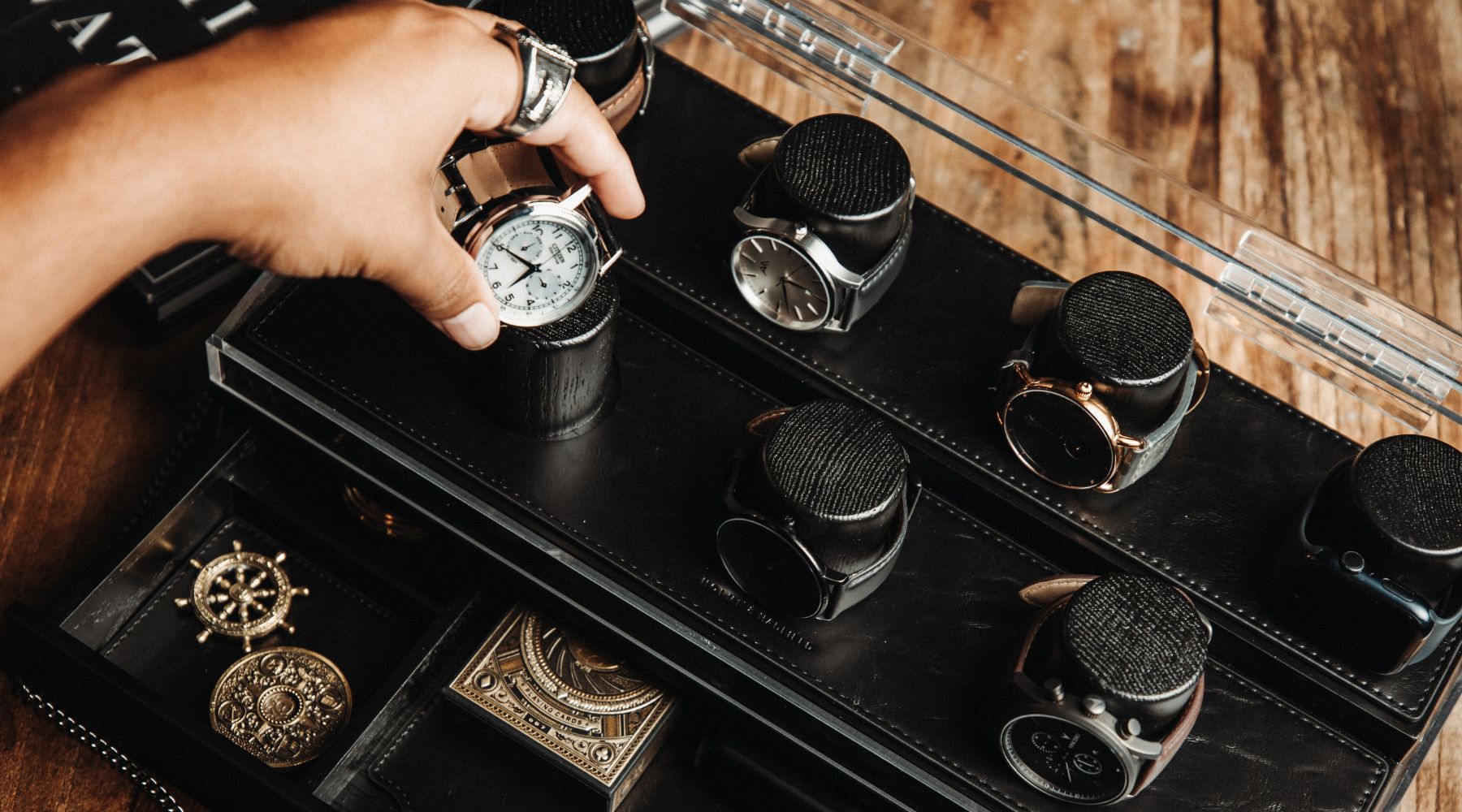
In addition to Swiss leaders, several other brands contribute significantly to the luxury segment. TAG Heuer, Breitling, and Longines offer a balance of performance and elegance, while Seiko and Citizen provide accessible luxury with reliable engineering. Each brand has its own identity, whether focused on sports performance, aviation heritage, or classic design. This diversity allows buyers to explore luxury watches that match their personal preferences and budget levels.
Pricing and Market Value of Luxury Watches
Luxury watches vary significantly in price depending on brand reputation, materials, complexity, and rarity. Entry-level luxury models typically start at a few thousand dollars, while mid-range pieces can reach significantly higher values depending on features and demand. High-end and limited-edition watches, especially those crafted from precious metals or featuring complicated movements, can reach extremely high price points in global markets.
Market value is influenced not only by production cost but also by demand, brand strength, and collector interest. Certain models become highly sought after over time, increasing their resale value in secondary markets. This makes luxury watches unique compared to standard consumer goods, as they often retain or even grow in value. Buyers who understand these market dynamics can make more informed purchasing decisions with long-term benefits in mind.
How to Choose the Right Luxury Watch
Selecting the right luxury watch requires careful consideration of personal style, purpose, and functionality. Buyers should first determine whether they prefer a formal, sporty, or versatile design. The type of movement—automatic or quartz—also plays an important role in performance expectations and maintenance needs. Additional factors such as case size, strap material, and water resistance should also be evaluated to ensure the watch fits comfortably and suits everyday use.
Another important consideration is brand alignment and long-term satisfaction. Some individuals prioritize heritage brands with strong investment value, while others focus on modern aesthetics or technical features. Comfort is equally important, as a luxury watch should feel natural on the wrist during extended wear. Choosing wisely ensures that the watch not only complements personal style but also provides lasting satisfaction and usability.
Investment Value of Luxury Watches
Luxury watches are increasingly viewed as alternative investment assets due to their strong resale performance and global demand. Certain models from well-established brands consistently appreciate in value, especially those that are rare, discontinued, or produced in limited quantities. Collectors often analyze market trends to identify watches that may offer strong long-term returns, combining passion for horology with financial strategy.
However, investment performance varies significantly between models and brands. Not all luxury watches guarantee appreciation, and value depends on condition, authenticity, and market demand. While some pieces achieve remarkable growth over time, others may remain stable in value. For this reason, luxury watches should ideally be purchased for both enjoyment and potential financial benefit rather than purely as investment instruments.
Buying Authentic Luxury Watches
Authenticity is one of the most important factors when purchasing luxury watches. Buyers should always choose authorized dealers, official boutiques, or reputable retailers to ensure product legitimacy. These sources provide proper documentation, warranty coverage, and verified authenticity, reducing the risk of counterfeit products. The luxury watch market unfortunately contains replicas, making careful selection essential for protecting investment and value.
When purchasing online, it is important to review seller reputation, certifications, and customer feedback. Genuine luxury watches come with serial numbers, original packaging, and manufacturer documentation. Buyers should also be cautious of unusually low prices, as they may indicate counterfeit or tampered products. Ensuring authenticity guarantees long-term reliability, value retention, and peace of mind for the buyer.
Care and Maintenance of Luxury Watches
Proper maintenance is essential for preserving the performance and appearance of luxury watches. Regular servicing by professional watchmakers ensures that internal mechanisms continue to function accurately over time. Cleaning the watch carefully and storing it in a protective case helps prevent scratches, dust accumulation, and unnecessary wear. These practices significantly extend the lifespan of high-quality timepieces.
It is also important to avoid exposing luxury watches to extreme temperatures, strong magnetic fields, or excessive moisture unless specifically designed for such conditions. Mechanical watches in particular require periodic attention to maintain precision and reliability. With proper care, luxury watches can last for decades and often become heirloom pieces passed down through generations, retaining both sentimental and financial value.
Frequently Asked Questions About Luxury Watches
Luxury watches often raise common questions regarding their value, durability, and functionality. Many buyers want to understand why these timepieces are expensive and what makes them different from standard watches. The answer lies in their craftsmanship, brand heritage, material quality, and the precision required to manufacture each movement. These factors collectively contribute to their premium pricing and long-term desirability.
Another frequently asked question relates to lifespan and maintenance requirements. With proper servicing and care, luxury watches can last for several decades, often maintaining accurate performance throughout their lifetime. Some models even become collectible items over time. Buyers also ask about investment potential, and while certain models appreciate in value, the primary motivation should always be appreciation of craftsmanship and personal satisfaction.
You may also read: Installation and Maintenance of Luxury Flooring