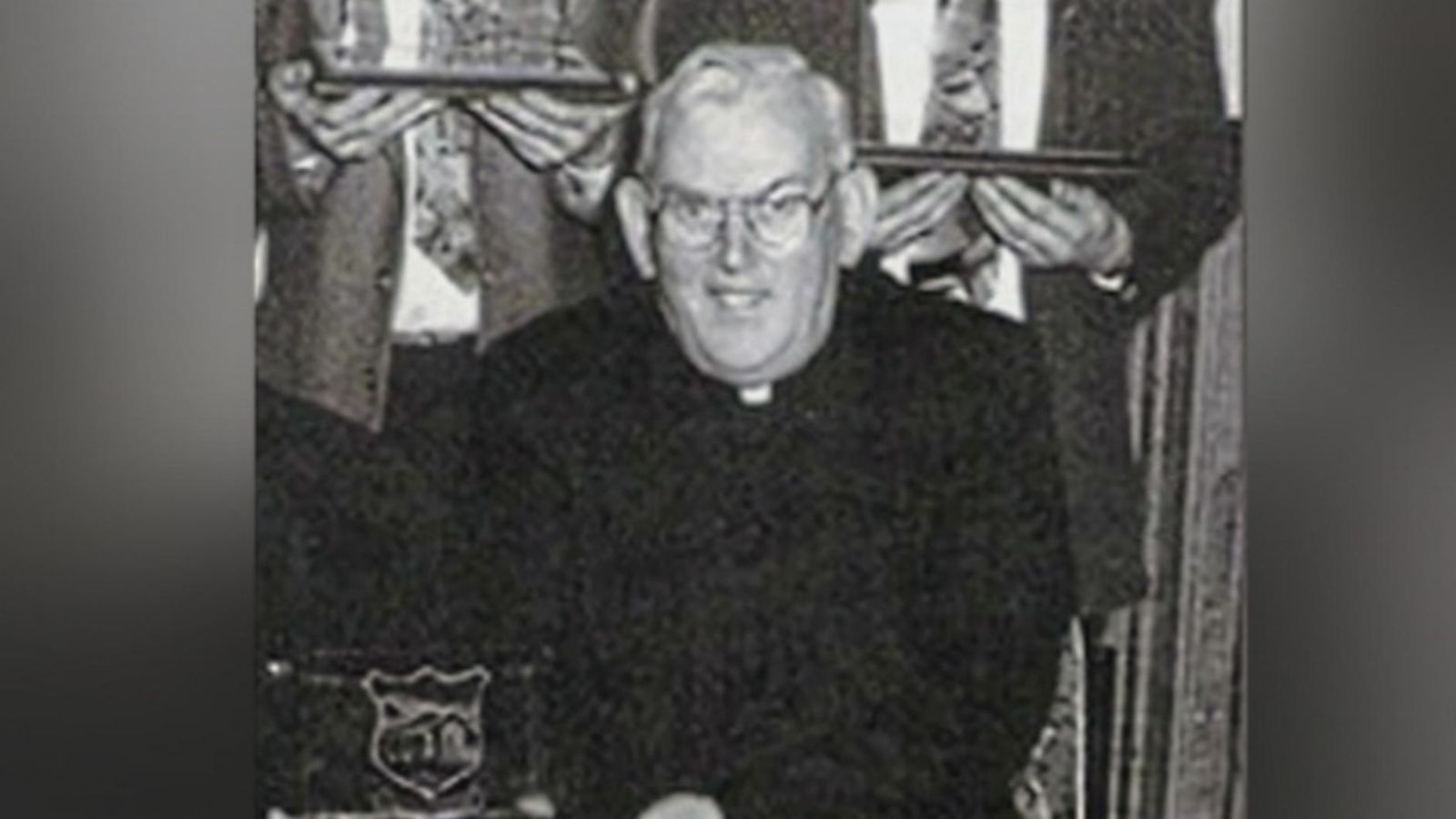
Overview of Malachy Finnegan and Public Interest Case
Malachy Finnegan is a former Catholic priest whose name has become widely discussed due to historical allegations of sexual abuse connected to his time at St Colman’s College in Northern Ireland. Over the years, these allegations have been reported by former students and have contributed to public debate about institutional safeguarding and accountability within religious education settings. The case has drawn attention in both legal and media circles because it reflects broader concerns about how historical abuse claims are handled in long-established institutions.
Interest in Malachy Finnegan continues today because the allegations are part of a wider pattern of historic abuse cases in the UK and Ireland. Reports connected to his name often include references to legal settlements, institutional responses, and survivor accounts. While the case is complex and involves multiple claims over different periods, it is frequently cited in discussions about child protection failures and the importance of legal recourse for survivors seeking acknowledgment and compensation.
Background and Role at St Colman’s College
Malachy Finnegan served in a clerical and educational role at St Colman’s College in Newry, where he was involved in pastoral care and student support activities. During his tenure, he was considered a senior figure within the institution and held responsibilities that placed him in close contact with young students. His position within the school environment is central to understanding why later allegations have been treated seriously in public discussions and legal proceedings.
The background of Malachy Finnegan is often discussed in relation to the structure of religious boarding and grammar schools during the mid-to-late 20th century. Institutions like St Colman’s College operated under strong religious leadership, and safeguarding practices at the time were significantly different from modern standards. This historical context is important when examining how allegations later emerged and why institutional accountability has become a key focus in reviewing past safeguarding failures.
Allegations and Historical Abuse Claims
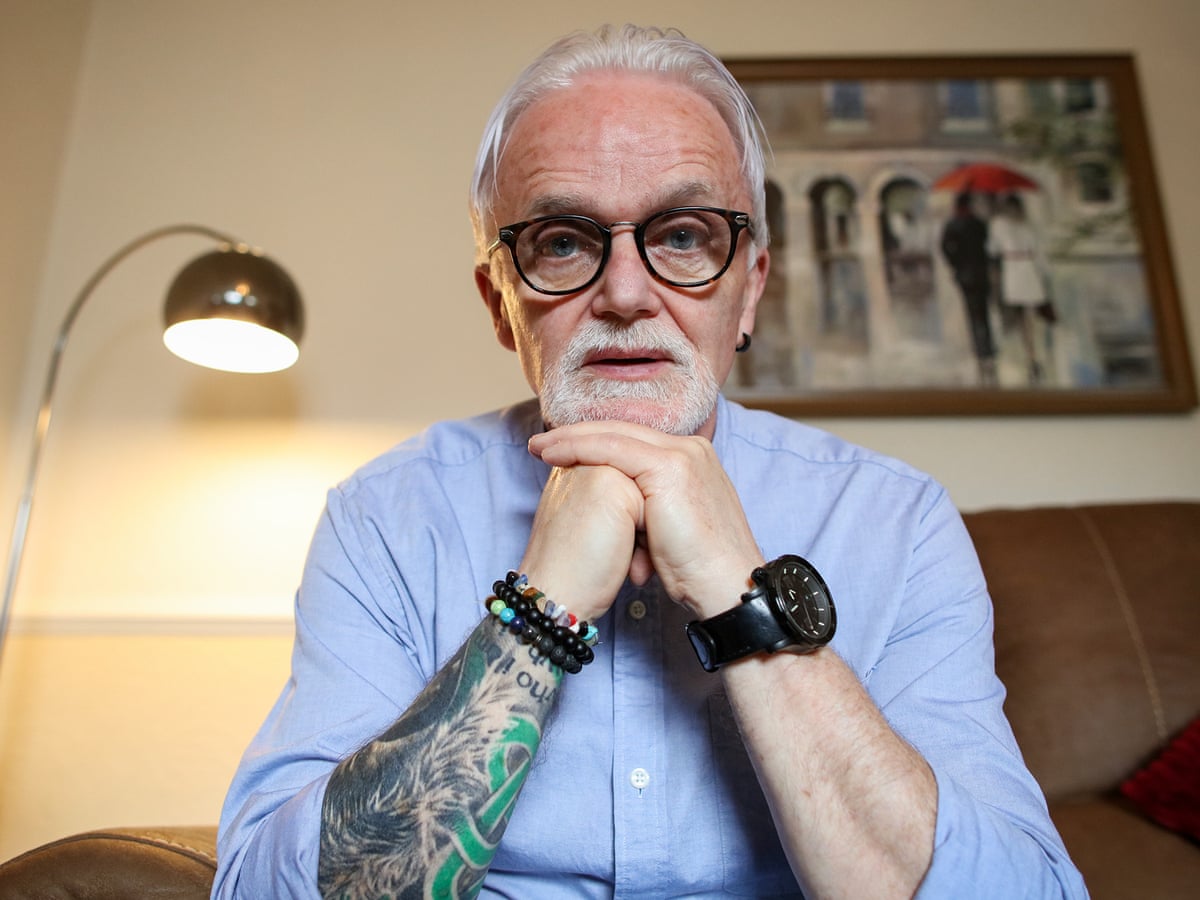
Multiple historical allegations have been reported by former pupils regarding Malachy Finnegan, describing experiences that they claim occurred during their time at St Colman’s College. These claims have been made public over several years and typically relate to incidents said to have taken place decades ago. In many cases, survivors have chosen to come forward later in life, which is common in historical abuse reporting due to the personal and psychological difficulty of speaking out earlier.
It is important to note that these remain allegations reported through legal and media channels, and they form part of ongoing discussions about institutional safeguarding failures. The accounts shared by claimants have contributed to wider scrutiny of how such cases were handled historically by both religious authorities and law enforcement agencies. These allegations have also played a key role in triggering civil legal actions and compensation claims connected to the broader case.
Legal Proceedings and Compensation Cases
Legal actions connected to Malachy Finnegan have been reported in relation to civil claims brought forward by former students against relevant institutions, including the school and associated governing bodies. Some cases have reportedly resulted in financial settlements, with figures such as £170,000 mentioned in individual cases and larger combined compensation amounts also referenced in public reporting. These settlements are generally understood as civil resolutions rather than criminal findings.
The legal proceedings surrounding Malachy Finnegan are significant because they highlight how historical abuse claims are addressed through civil law when criminal prosecution is not always possible due to time elapsed or evidential limitations. In such cases, courts and institutions often focus on compensation and acknowledgment of harm rather than criminal liability. This has made the Finnegan-related cases part of a broader legal framework concerning historical institutional abuse in the UK and Ireland.
Institutional Response and Safeguarding Context
The institutional response to allegations associated with Malachy Finnegan has been a subject of public and legal scrutiny. Reports suggest that various organisations involved, including educational and religious bodies, have faced criticism regarding how concerns were managed historically. In many similar cases across the region, institutions have been examined for their safeguarding policies and whether appropriate action was taken when allegations were first raised.
This case also contributes to the wider discussion about how safeguarding standards have evolved over time. Modern child protection frameworks are significantly stricter than those in place during earlier decades, and cases like Malachy Finnegan’s are often used as examples of why reforms were necessary. The focus today is largely on prevention, transparency, and ensuring that any allegations are properly investigated and addressed through legal and safeguarding channels.
Impact on Survivors and Wider Public Discussion
The allegations associated with Malachy Finnegan have had a lasting impact on individuals who came forward with claims, as well as on broader public awareness of historical abuse issues. Survivors often report long-term emotional and psychological effects, and compensation settlements in civil cases are intended to acknowledge both the harm suffered and the need for institutional accountability. These outcomes contribute to ongoing conversations about justice and recognition for survivors.
On a wider level, the case has influenced public debate around trust in institutions, particularly those involving children and young people. It has also encouraged more survivors of historical abuse to come forward in other cases. The discussion surrounding Malachy Finnegan is therefore not only about one individual, but also about systemic issues in safeguarding, reporting mechanisms, and how society responds to allegations of abuse in historical contexts.
FAQ: Malachy Finnegan Case and Related Questions
The case of Malachy Finnegan raises several frequently asked questions regarding the nature of allegations, legal outcomes, and institutional responsibility. Many readers seek clarity on whether criminal charges were filed, how civil compensation works, and why such cases often emerge decades after the alleged events. These questions are important in understanding the legal and social context of historical abuse claims.
Another common area of interest involves how institutions respond to such allegations today compared to the past. Modern safeguarding laws require immediate reporting and investigation, while older systems often lacked the same level of oversight. In the context of Malachy Finnegan, these differences help explain why cases are primarily handled through civil law and why compensation and acknowledgment play a major role in resolving claims rather than criminal proceedings.
You may also read: Themes and Analysis in The Secret History