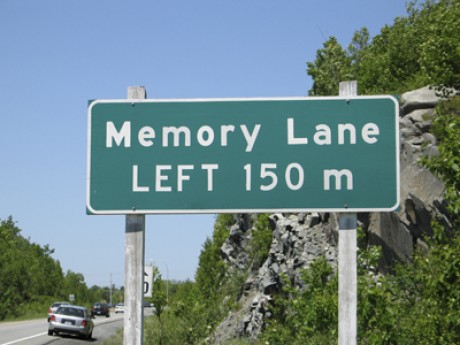
The phrase “memory lane” is commonly used when people talk about remembering the past, especially moments that carry emotional meaning. You may hear it during conversations about childhood, old friendships, family traditions, or life experiences that shaped who someone is today. While the words themselves are simple, the meaning behind the phrase is deeply human.
When someone says they are “walking down memory lane,” they are not referring to a real place. Instead, they are describing a mental and emotional process of revisiting personal memories. These memories are often positive, but they can also be reflective or bittersweet. What matters is that they feel important and meaningful to the person recalling them.
In modern language, memory lane remains popular because it offers an easy, natural way to express nostalgia without needing long explanations. It allows people to connect through shared emotions and experiences, making it a powerful phrase in both speech and writing.
What Does “Memory Lane” Mean?
At its most basic level, memory lane means revisiting past experiences in your mind. It refers to moments when people intentionally remember events from earlier in their lives and reflect on how those moments made them feel. The phrase is considered an idiom, which means its meaning cannot be understood by translating each word literally.
The term is usually associated with pleasant or meaningful memories, such as childhood moments, early achievements, family gatherings, or old friendships. However, memory lane does not always mean happiness alone. Sometimes it involves remembering challenges, losses, or turning points that still carry emotional weight.
What separates memory lane from simple remembering is emotional engagement. Recalling a date or fact is not the same as walking down memory lane. The phrase implies reflection, emotion, and personal connection rather than factual recall.
Why People Use the Phrase “Memory Lane”
People use the phrase because it expresses something many experience but struggle to describe. Memory lane captures the feeling of slowing down mentally and allowing past moments to resurface. It is often triggered by something familiar, such as old photographs, music, smells, places, or conversations with people from the past.
In everyday life, memory lane helps people share stories without sounding overly dramatic or formal. Saying “this photo took me down memory lane” immediately tells listeners that a personal memory has been awakened. The phrase creates emotional context in a simple and relatable way.
Another reason the phrase is popular is that it encourages connection. When one person walks down memory lane, others are often invited to share their own memories. This shared reflection strengthens relationships and creates meaningful conversations.
The Imagery Behind the Phrase

The word lane plays an important role in the meaning of memory lane. A lane suggests a narrow, familiar path rather than a busy road. This imagery fits well with the idea of personal memories, which are often private and emotionally close.
The phrase creates the impression of moving slowly, step by step, through different moments in life. Each memory feels like a stop along the way. This mental imagery is one reason the phrase feels natural and comforting to native speakers.
Because of this imagery, memory lane often feels warmer and more personal than other expressions like reminisce or recall. It paints a picture instead of simply stating an action.
How to Use “Memory Lane” Correctly in Conversation
Memory lane is usually used in informal or semi-informal conversations. It fits naturally into friendly discussions, storytelling, and reflective moments. The most common structure includes verbs such as walk, trip, or go, followed by “down memory lane.”
For example:
- “That song took me down memory lane.”
- “We spent the evening walking down memory lane, talking about school days.”
The phrase works best when it is supported by context. It should be clear what triggered the memory and why it matters. Using it without explanation can feel empty or vague.
In spoken language, tone matters. Memory lane is typically used in a warm, thoughtful way. It is rarely used in tense or urgent situations because its meaning suggests calm reflection.
Using “Memory Lane” in Writing
In writing, memory lane is often used to set an emotional tone. Writers use it to introduce personal stories, reflective essays, or nostalgic content. When used carefully, it helps readers connect emotionally with the subject.
However, writers should avoid overusing the phrase. Repeating it too often can reduce its impact. It is more effective when used once and supported by descriptive details that show why the memory matters.
Strong writing about memory lane focuses less on the phrase itself and more on the experiences surrounding it. The phrase should act as a doorway into the story, not the story itself.
Common Mistakes People Make With “Memory Lane”
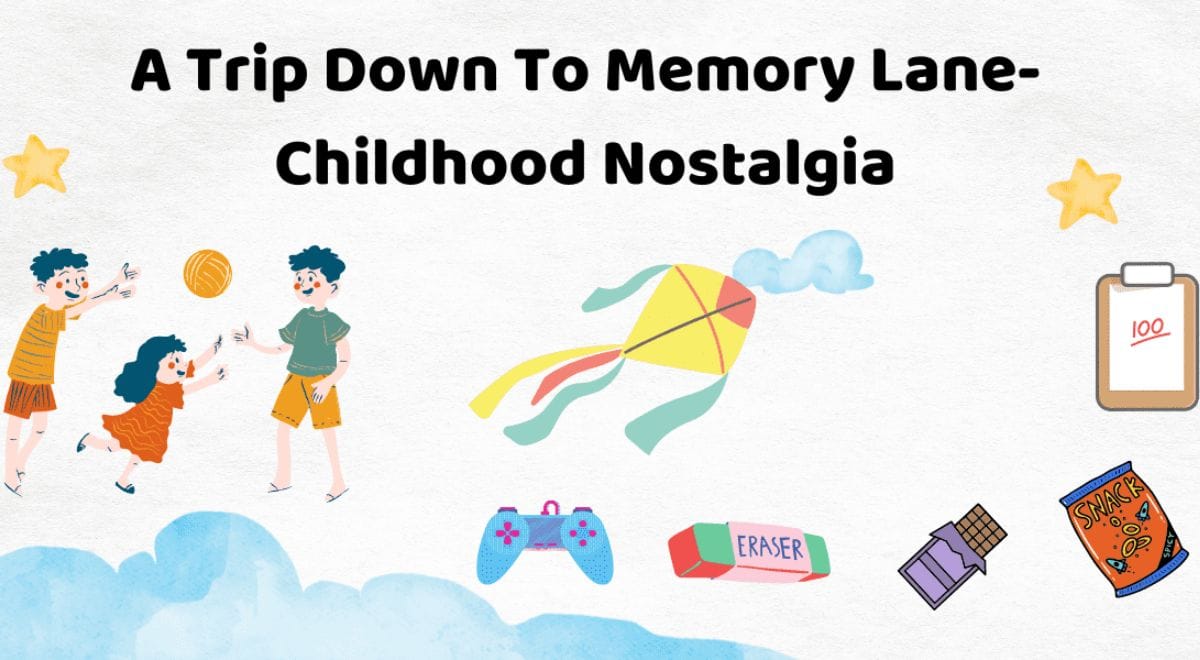
One common mistake is using memory lane for situations that lack emotional depth. For example, simply remembering an address or a task does not qualify. The phrase implies reflection, not basic recall.
Another mistake is forcing the phrase into formal or technical writing. Memory lane does not belong in academic reports, legal documents, or scientific explanations. In those contexts, it can reduce clarity and professionalism.
People also sometimes confuse memory lane with sadness or regret. While it can involve bittersweet emotions, the phrase itself is neutral. It focuses on reflection, not emotional pain.
Memory Lane and Nostalgia: Are They the Same?
Memory lane and nostalgia are closely related, but they are not identical. Nostalgia is a feeling, while memory lane is a process. Walking down memory lane can lead to nostalgia, but it can also lead to insight, gratitude, or understanding.
Nostalgia often focuses on longing for the past. Memory lane, on the other hand, focuses on revisiting it. The difference matters because memory lane does not imply a desire to return to the past—only to remember it.
Understanding this distinction helps people use the phrase more accurately and naturally.
Why the Phrase Still Matters in Modern Life
Despite changes in technology and communication, memory lane remains relevant. People still value reflection, storytelling, and emotional connection. In fact, modern life often moves so fast that moments of reflection feel even more important.
Social media and digital photo storage have made memory triggers more common. Old photos, videos, and reminders frequently bring past moments back into focus. When this happens, people often describe the experience as walking down memory lane.
Even with digital tools, the phrase remains human-centered. It describes emotion, not technology.
Cultural Use of “Memory Lane”
Across cultures that use English, memory lane carries similar meaning. It is understood as a gentle, emotional phrase rather than a dramatic one. This consistency helps explain why it appears in songs, films, and book titles.
Creative works often use memory lane to signal reflection and personal growth. Audiences instantly understand the emotional direction of the story because the phrase is so familiar.
Its continued use in popular culture reinforces its place in everyday language.
When Not to Use “Memory Lane”
There are situations where memory lane is not appropriate. It should not be used when discussing trauma, emergencies, or serious conflicts unless handled very carefully. In those cases, the phrase may feel dismissive or insensitive.
It is also unsuitable for instructions, technical explanations, or professional documentation. The figurative nature of the phrase can distract from clear communication in those settings.
Knowing when not to use memory lane is just as important as knowing when to use it.
Conclusion: The True Value of “Memory Lane”
Memory lane is more than a casual expression. It reflects a deeply human behavior: the need to pause, remember, and understand our experiences. The phrase allows people to share memories naturally, without needing complex explanations.
Used correctly, memory lane adds warmth and meaning to communication. It helps people connect with themselves and with others through shared reflection. That emotional clarity is why the phrase continues to survive changes in language, culture, and technology.
By understanding what memory lane truly means and how to use it thoughtfully, speakers and writers can communicate with greater authenticity and emotional depth.
You may also read: Relationship with Des O’Connor: A High-Profile Chapter