Solar energy has become an increasingly practical way to generate electricity for homes, businesses, farms, and remote facilities. However, locations without dependable access to the electrical grid need equipment that can operate independently. An off-grid solar inverter is one of the key components that makes an independent solar power system possible.
An off-grid inverter converts electricity generated by solar panels and stored in batteries into usable AC power for everyday electrical equipment. Understanding how these inverters work, their main features, and how they fit into a complete solar system can help users make informed equipment choices.
What Is an Off-Grid Solar Inverter?
An off-grid solar inverter is a power conversion device designed to operate without relying on a utility electricity grid. Solar panels generate direct current (DC), while most household appliances, office equipment, pumps, and other electrical devices operate using alternating current (AC).
The inverter converts the DC electricity into AC electricity that can be used by these devices. In many systems, it also works with batteries that store excess solar energy for use when sunlight is limited.
This makes an off-grid inverter different from a standard grid-tied inverter. Instead of depending on the utility grid to maintain the electrical supply, an off-grid system creates an independent power source.
Main Components of an Off-Grid Solar System
An off-grid solar system generally includes several components that work together.
Solar Panels
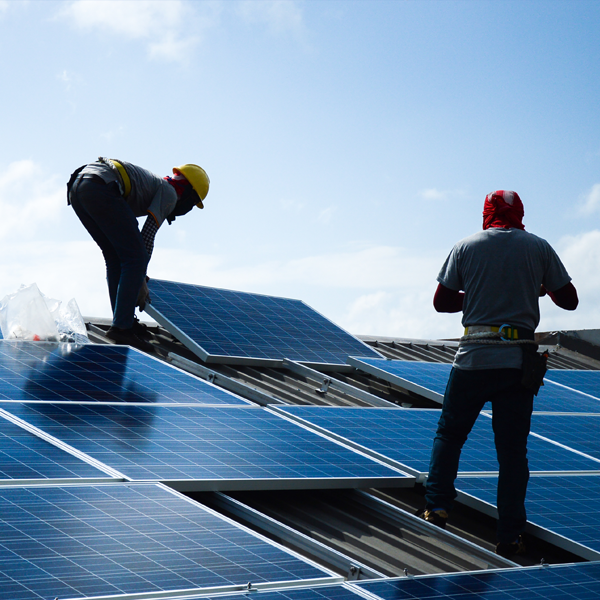
Solar panels capture sunlight and convert it into DC electricity. The amount of electricity produced depends on factors such as panel capacity, sunlight availability, temperature, and installation conditions.
Battery Storage
Batteries store electricity for later use. During sunny periods, solar energy can be used to power electrical loads while excess energy charges the batteries. At night or during cloudy weather, stored energy can supply the system.
Off-Grid Inverter
The inverter converts DC electricity into AC electricity and supplies power to connected loads. Depending on the design, it may also manage battery charging and other system functions.
Electrical Loads
These are the appliances and equipment that consume electricity. They can include lights, refrigerators, computers, pumps, fans, communication equipment, and other devices.
How an Off-Grid Solar Inverter Works
During daylight hours, solar panels generate electricity. The inverter receives DC power from the solar array and converts it into AC electricity.
If the solar panels produce more energy than the connected loads require, the extra energy can be directed toward battery storage. When solar production decreases, the battery can provide stored electricity to the inverter.
The inverter then converts that stored DC energy into AC power for the connected equipment.
This process allows users to maintain an independent energy supply even when solar generation is temporarily unavailable.
Choosing the Right Inverter Capacity
One of the most important decisions is selecting an inverter with an appropriate power rating. An undersized inverter may not be able to handle the required loads, while an unnecessarily large inverter can increase system costs.
Users should calculate the total power consumption of their equipment. They should also consider startup power for devices with motors or compressors.
For example, refrigerators, pumps, air conditioners, and certain workshop tools may temporarily require more power when they start.
Understanding both continuous and peak loads helps determine an appropriate inverter capacity.
Battery Compatibility
Battery compatibility is another important factor. Different battery technologies have different voltage and charging requirements.
Modern systems frequently use lithium-based batteries, while some installations continue to use lead-acid batteries. The inverter should support the selected battery technology and voltage.
Some advanced systems can communicate with the battery management system. This allows the inverter and battery to coordinate charging, discharging, and protection functions.
Efficiency and Energy Loss
No power conversion system is completely lossless. During DC-to-AC conversion, some energy is lost as heat and through electrical resistance.
An efficient inverter can reduce these losses and help users make better use of the electricity produced by their solar panels and stored in their batteries.
When comparing models, users should review manufacturer specifications for efficiency under operating conditions relevant to their installation.
Protection Features
Off-grid solar systems need appropriate electrical protection. Depending on the model, an inverter may provide protection against overloads, short circuits, excessive voltage, overheating, and low battery conditions.
These functions can help protect the inverter and connected equipment.
However, inverter protection does not replace proper system design. Correct wiring, circuit protection, grounding, ventilation, and installation practices remain important.
Applications of Off-Grid Solar Inverters
Off-grid inverters can be used in many locations.
Remote homes can use them where utility electricity is unavailable. Farms can use solar systems to power irrigation pumps, lighting, monitoring equipment, and other agricultural loads.
Businesses in remote areas can use independent power systems for essential equipment. Off-grid systems can also support cabins, telecommunications infrastructure, emergency facilities, and temporary installations.
Advantages of Off-Grid Solar Inverters
One major advantage is energy independence. Users can generate and store their own electricity rather than relying completely on a utility network.
Off-grid systems can also provide useful power in remote locations where extending electrical infrastructure would be expensive or impractical.
When combined with sufficient battery storage, solar inverters can provide electricity after sunset and during periods of reduced solar production.
Conclusion
An off-grid solar inverter is an essential component of an independent solar energy system. It converts DC electricity from solar panels and batteries into usable AC power while helping coordinate energy supply and storage.
Choosing the right inverter requires careful consideration of power requirements, battery compatibility, efficiency, protection features, and the intended application. With appropriate system design and installation, an off-grid solar inverter can help homes, farms, businesses, and remote facilities make effective use of solar energy without depending entirely on a utility grid.