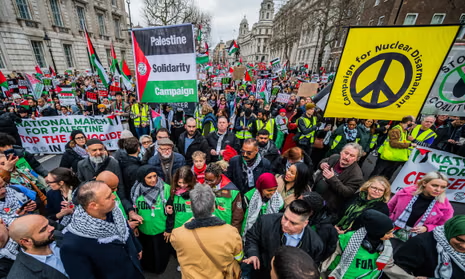
Overview of Palestine March London
The Palestine March London refers to a series of large public demonstrations held in central London in support of Palestinian rights and to raise awareness about the humanitarian situation in Gaza. These marches have become a recurring feature of the UK’s protest landscape, drawing participants from diverse backgrounds including students, community groups, faith leaders, and human rights activists. The central message of these gatherings is typically focused on calls for peace, civilian protection, and political accountability in relation to the ongoing Israel–Palestine conflict.
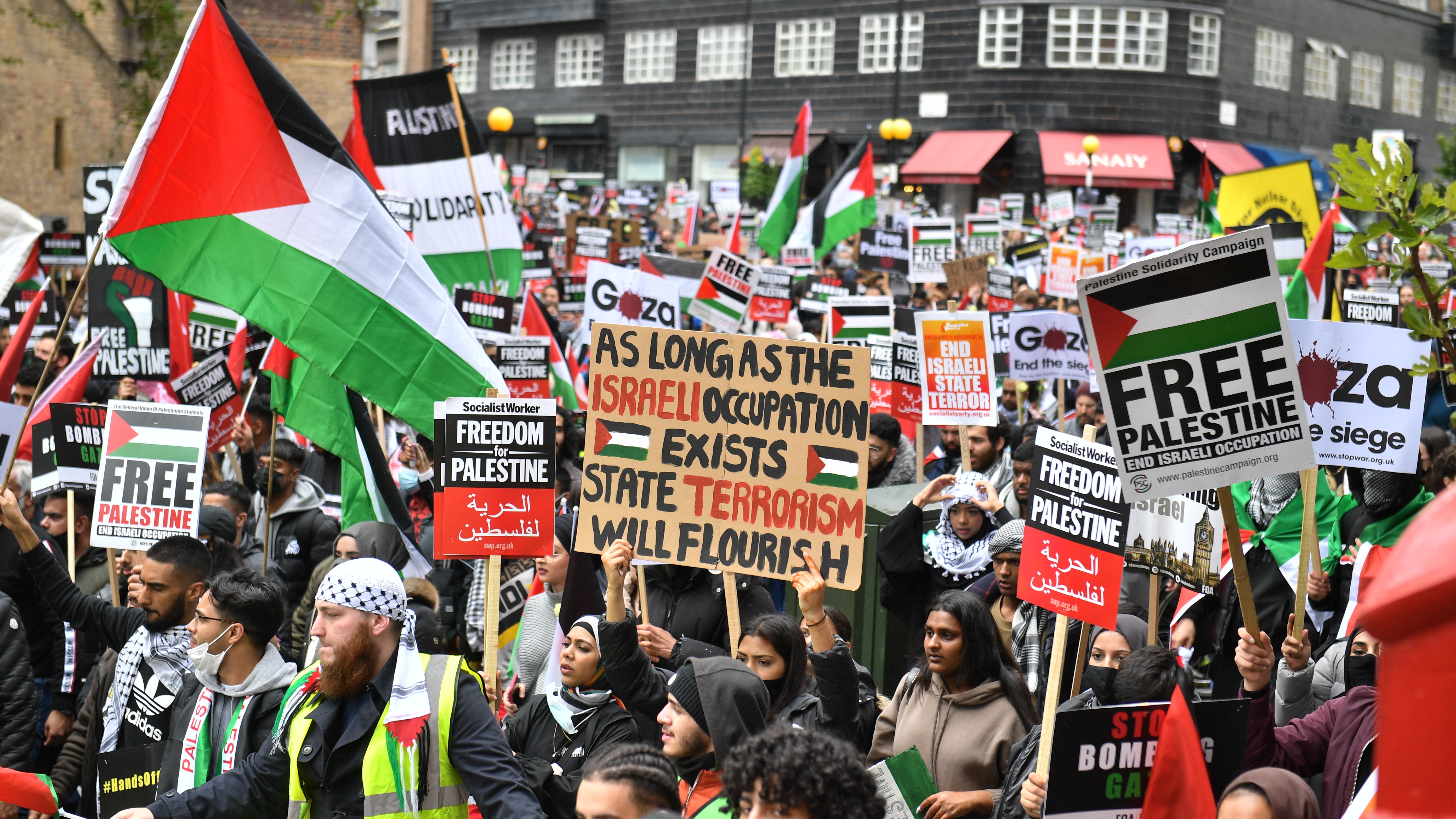
Over time, the Palestine march in London has developed into more than a single protest event. It represents an ongoing movement that reflects public concern about international conflict and human rights issues. Demonstrations are often peaceful and organized, with participants carrying flags, banners, and visual messages that emphasize solidarity and justice. The visibility of these marches in major political areas of London also ensures they attract significant public attention and media coverage, contributing to wider national and international discussions.
What Happens During the Palestine March in London
During a typical Palestine March London, large crowds gather in central locations such as Victoria Embankment or Hyde Park before moving through key political routes in Westminster. The marches are usually structured, with participants walking in groups while chanting slogans calling for peace, ceasefire, and an end to violence in Gaza. The atmosphere is often highly expressive but remains largely peaceful, with families, students, and activists all taking part in the demonstration.
In several recent demonstrations, reports from media and authorities have noted increased police presence to manage large crowds and ensure public safety. Some events have also seen arrests linked to related protest activities, particularly involving groups or individuals supporting banned or restricted organizations. While organizers emphasize peaceful assembly, tensions occasionally arise due to differing interpretations of protest laws and public order regulations. Despite this, the overall purpose of the march remains focused on peaceful expression and raising awareness.
Purpose and Organising Groups Behind the March
The main purpose of the Palestine March London is to highlight humanitarian concerns and advocate for political action regarding the situation in Gaza and the wider Palestinian territories. Participants often call for an end to military operations, improved humanitarian access, and stronger international intervention to protect civilian lives. The march serves as a platform for collective expression, allowing people to publicly voice concerns that they believe are not adequately addressed in mainstream political discourse.
The organization of these marches is typically led by advocacy groups such as the Palestine Solidarity Campaign, along with other grassroots networks and civil society organizations. These groups coordinate logistics, promote participation, and ensure that demonstrations remain structured and non-violent. They also work with student unions, faith-based organizations, and community leaders to encourage broad participation. This collaborative structure helps the march maintain its scale and consistency over time, making it one of the most recognizable recurring protest movements in London.
Route, Participation, and Public Experience
The route of the Palestine March London usually passes through some of the most symbolic and politically significant areas of the city, including Westminster and Trafalgar Square. These locations are chosen deliberately due to their proximity to government buildings and historic landmarks. As participants move through these areas, they often chant slogans and display banners that highlight their demands for peace, justice, and humanitarian support for Palestinians.
The experience of attending the march is often described by participants as emotionally powerful and socially unifying. People from different ethnic, religious, and political backgrounds come together to express a shared concern. The diversity within the crowd is one of the defining characteristics of the event, with individuals attending for personal, political, or humanitarian reasons. Many participants also describe the march as a way to feel connected to a global movement advocating for human rights and justice.
Political and Legal Context in the UK
The Palestine March London exists within a complex political and legal environment in the United Kingdom. While peaceful protest is protected under UK law, authorities also enforce regulations related to public order, safety, and national security. This has led to debates about the balance between the right to protest and legal restrictions, particularly in cases involving specific organizations or symbols associated with restricted groups.
In some recent demonstrations, discussions have emerged around arrests and police actions during protests linked to controversial groups or placard displays. These incidents have sparked public debate about freedom of expression and the limits of lawful protest. Organizers and supporters of the march often argue that peaceful demonstration is a fundamental democratic right, while authorities emphasize the need to maintain public safety and comply with legal frameworks.
Media Coverage and Public Opinion
Media coverage of the Palestine March London plays a significant role in shaping public perception of the movement. Different media outlets often present varying perspectives, with some focusing on humanitarian messages and others highlighting public order concerns or political controversy. This variation in reporting reflects the broader complexity of the Israel–Palestine issue and its impact on international discourse.
Public opinion in the UK regarding the marches is also diverse. Many people support the right to protest and express solidarity with humanitarian causes, while others raise concerns about disruption, political messaging, or legal implications. Social media has amplified these discussions, allowing footage, commentary, and live updates to reach global audiences instantly. As a result, the march has become both a physical demonstration and a digital conversation shaping public awareness.
Global Solidarity and International Impact
The Palestine March London is part of a wider global network of demonstrations held in cities such as Paris, New York, Berlin, and Johannesburg. These international protests reflect shared concerns about the humanitarian situation in Gaza and broader calls for peace and accountability. The London march is often seen as one of the most visible events in this global movement due to the city’s political influence and media presence.
This global solidarity highlights how local demonstrations can contribute to international awareness and political dialogue. Participants often view their involvement as part of a larger effort to influence global opinion and encourage diplomatic solutions. The connection between protests in different countries reinforces the idea that humanitarian issues transcend national borders and require collective global attention.
Frequently Asked Questions (FAQ)
What is the Palestine March London?
The Palestine March London is a public demonstration held in central London where participants gather to express support for Palestinians and raise awareness about the humanitarian situation in Gaza. It is usually organized by activist groups and supported by individuals from diverse backgrounds who advocate for peace, human rights, and political accountability.
Why do people attend the Palestine March in London?
People attend the march for various reasons, including humanitarian concern, political activism, and solidarity with affected civilians. Many participants feel a moral responsibility to raise awareness about the conflict, while others aim to influence government policy or support international efforts toward peace and justice.
Are the Palestine marches in London legal?
Yes, peaceful protest is legal in the United Kingdom under the right to freedom of assembly. However, participants must follow laws related to public order and safety. In some cases, enforcement actions may occur if demonstrations involve restricted activities or breach legal guidelines.
Who organizes the Palestine March London?
The marches are organized by advocacy and community groups such as the Palestine Solidarity Campaign, along with other grassroots organizations. These groups coordinate logistics, encourage participation, and ensure that demonstrations remain peaceful and structured.
What impact do these marches have?
The marches contribute to public awareness, political discussion, and media attention regarding the Israel–Palestine conflict. They also help amplify humanitarian concerns and encourage debate about international policy, human rights, and global peace efforts.
You may also read: March Birthstone: Aquamarine and Bloodstone Meaning, Colour & Care