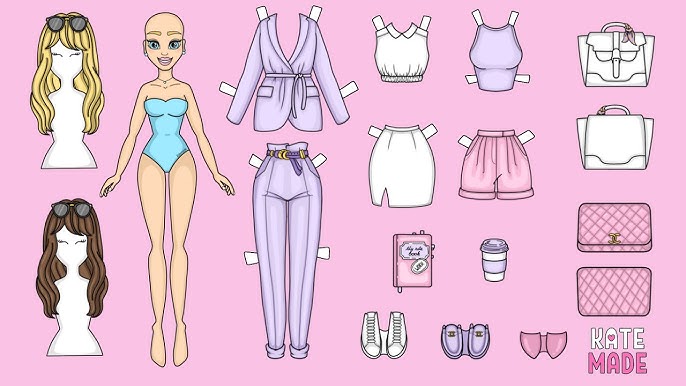
Paper dolls are a timeless craft that continues to capture imaginations across generations. A high-quality paper doll printable can instantly transform a quiet afternoon into an immersive creative session filled with cutting, coloring, wardrobe styling, and imaginative storytelling. Whether you are a parent seeking screen-free activities, a teacher planning an interactive lesson, or an adult craft enthusiast looking for nostalgic projects, printable paper dolls offer an affordable, accessible, and deeply engaging solution.
This comprehensive guide provides everything you need to maximize your experience with printable paper dolls. You will learn how to select the best templates, achieve professional-grade print quality, master precision cutting techniques, and extend the lifespan of your collection.
What is a Paper Doll Printable and Why is it Trending?
A paper doll printable is a digital file—typically formatted as a high-resolution PDF or JPEG—comprising a base character doll along with coordinating clothing, hairstyles, and accessories. Once printed and cut out, these elements allow users to dress the characters by folding paper tabs or utilizing creative alternative adhesives.
While vintage paper dolls have been cherished for over a century, the modern digital revival is fueled by several factors:
- Instant Accessibility: Rather than hunting down physical books in specialty stores, creators can instantly download curated themes from the comfort of home.
- Diverse Options: Modern creators offer an incredible range of body types, skin tones, hairstyles, and cultural attire, making the craft far more inclusive than it was in the past.
- Multi-Sensory Development: The activity seamlessly blends fine motor practice, color coordination, design thinking, and narrative play into a single low-tech project.
Choosing the Perfect Paper Doll Template
Not all digital templates are engineered equally. Selecting the right style depends entirely on the age group and skill level of the crafter.
For Toddlers and Young Children (Ages 3–6)
Look for simplified silhouettes with thick, bold cutting outlines. The clothing items should feature large, wide tabs that are easy for small hands to fold. Avoid templates that include tiny accessories like individual shoes, small jewelry pieces, or miniature handbags, as these can cause frustration and pose a choking hazard.
For Older Kids, Teens, and Adults
Seek out highly detailed, intricate patterns. Advanced illustrators often create vintage paper doll templates inspired by historical fashion eras, fantasy themes, or complex capsule wardrobes. Look for multi-page bundles that include layered clothing options, distinct background scenes, and blank alternative layouts that allow for custom coloring.
The Ultimate Printing Blueprint for Professional Results
The difference between a flimsy, frustrating paper doll and a premium, long-lasting toy lies entirely in your printing choices. For crisp lines and vivid colors, follow this structural production framework:
1. Printer Configuration Settings
Always set your inkjet or laser printer to “High Quality” or “Photo Paper” print mode, even when using standard stock. Crucially, ensure your scale settings are locked at 100% or “Actual Size.” Selecting “Fit to Page” can unintentionally distort the dimensions, causing the clothing pieces to misalign with the base doll.
2. Paper Weight Selection Matrix
Using standard $80\text{ gsm}$ copy paper for the entire project is a common mistake. It tears easily and sags under the weight of layers. Use the following specifications for optimal durability:
| Project Component | Recommended Paper Weight | Material Type | Benefit |
| Base Doll Character | $250\text{ gsm} – 300\text{ gsm}$ | Heavy Cardstock | Provides a rigid structural base that stands upright without bending. |
| Standard Clothing & Tabs | $120\text{ gsm} – 160\text{ gsm}$ | Mid-Weight Matte Paper | Keeps colors vibrant while allowing tabs to fold cleanly without cracking. |
| Detailed/Layered Accessories | $90\text{ gsm} – 120\text{ gsm}$ | Premium Copy Paper | Prevents the doll from becoming top-heavy when multiple items are stacked. |
Master-Level Cutting Techniques: Clean Edges and Sturdy Tabs
Cutting is the exact stage where most crafting mishaps occur. To achieve smooth, professional lines without accidentally clipping away vital attachment tabs, use this targeted approach:
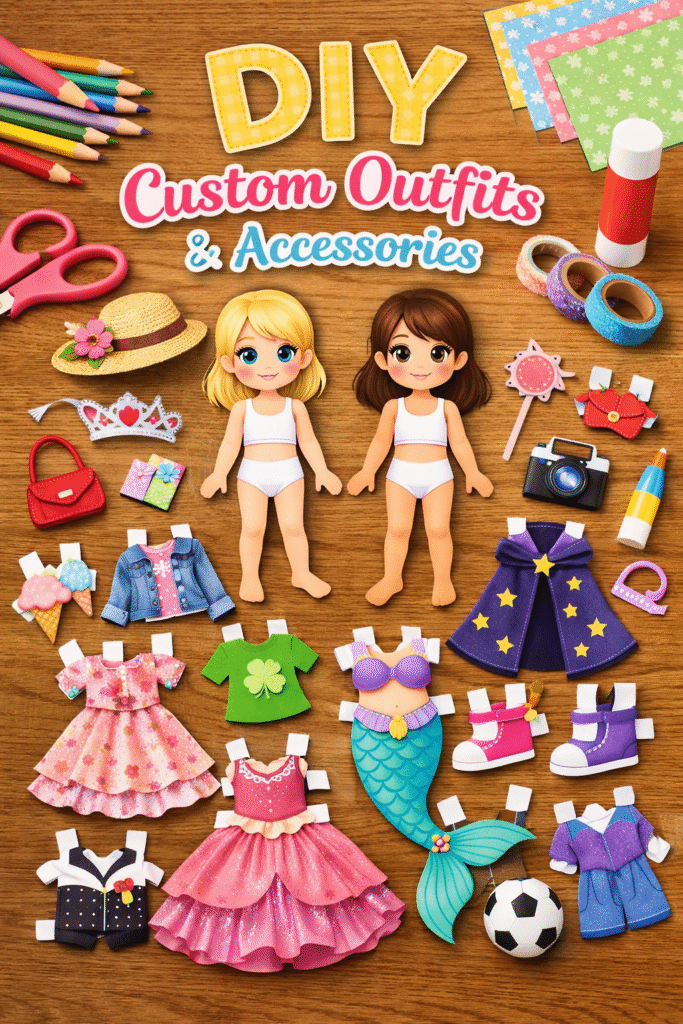
- Tool Selection: Keep a dedicated pair of small, sharp detail scissors or embroidery scissors specifically for paper crafting. Dull household scissors create jagged, frayed edges.
- The Rotation Rule: When cutting curved profiles around the doll’s hair or limbs, turn the paper with your non-dominant hand while keeping your scissors relatively stationary. This prevents sharp, uneven angles.
- Navigating Interior Gaps: For closed spaces—such as the negative space between a doll’s arm and torso—place the template onto a self-healing mat and use a precision craft knife. This step must always be executed by an adult.
- Following Guide Lines: Many professional designs include a dotted outer guide line alongside the solid illustration edge. Always cut along the dotted guide line; this extra buffer space ensures the clothes sit naturally on the doll’s frame.
Pro-Tips for Making Your Paper Dolls Last Forever
If you want your free paper doll cutouts to survive repeated play sessions, implement these budget-friendly durability upgrades:
The Laminating Method
Laminate the base doll sheet before cutting to give it maximum rigidity. For the outfits, laminate them with thin, flexible self-adhesive sheets. This allows the clothes to remain pliable enough for the tabs to fold easily without tearing at the creases.
Tab Reinforcement
Apply a small strip of clear, heavy-duty packing tape to the back of the clothing tabs before you fold them for the first time. This simple reinforcement layer stops the paper fibers from cracking and splitting open after repeated bending.
The No-Tab Revolution: Reusable Adhesives
If folding paper tabs feels too tedious, clip the tabs off entirely. Instead, apply a tiny piece of clear reusable poster tack, double-sided removable craft tape, or miniature hook-and-loop dots to the back of the clothes. For an incredibly premium upgrade, print your designs directly onto printable magnetic sheets to create a custom magnetic paper doll DIY system for the fridge or a metal baking sheet.
Designing DIY Custom Wardrobes & Capsule Collections
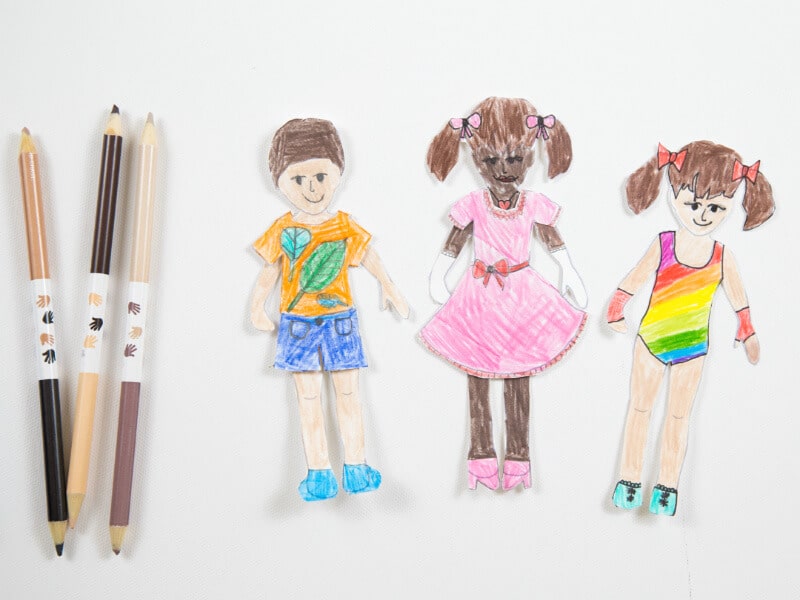
Once you have exhausted the outfits included in your digital download, you can expand the play value exponentially by designing custom wardrobe extensions.
- Trace the Base Template: Place a blank sheet of paper over your base doll and hold it up against a window or light box. Lightly trace the outline of the torso, waist, and hips using a pencil.
- Sketch the Silhouette: Use the traced lines as a structural guide to draw original clothing items, such as seasonal jackets, sports uniforms, or evening gowns. Remember to draw wide tabs extending from the shoulders, waist, and sleeves.
- Color and Detail: Bring your custom designs to life using colored pencils, fine-tip markers, or scraps of textured origami paper to simulate real fabric patterns.
High-Demand Themed Paper Doll Ideas
When sourcing or creating templates, focusing on specific narrative themes keeps the experience fresh and exciting. Highly popular categories include:
- Princess and Fairy-Tale Fantasy: Sweeping gowns, sparkling crowns, magical wands, and whimsical fairy wings that allow for classic storytelling.
- Historical and Vintage Fashion: Educational wardrobe sets showcasing Victorian attire, 1950s retro dresses, or traditional ancient garments from around the globe.
- Modern Career Sets: Outfits representing diverse professions, including scientists, astronauts, chefs, medical professionals, and construction engineers.
- Seasonal and Holiday Wardrobes: Dedicated expansion packs featuring winter coats, autumn rain gear, summer swimwear, and festive Halloween or holiday costumes.
Educational Value: Why Teachers Love Printable Dolls
In early childhood and elementary classrooms, a printable paper doll clothes PDF is far more than a simple art project. It serves as a versatile instructional tool that supports multiple developmental milestones:
- Fine Motor Bilateral Coordination: The synchronized action of holding paper with one hand while manipulating scissors with the other builds essential hand strength required for early handwriting.
- Cognitive Layout Planning: Deciding which layers to place first (e.g., putting on shoes and undergarments before layering an overcoat) introduces basic sequencing and logical problem-solving.
- Language and Social-Emotional Growth: Puppetry and role-play with paper characters encourage children to articulate complex dialogue, experiment with collaborative storytelling, and explore empathy through character interactions.
Sourcing Responsibly: Free vs. Premium Templates
The internet is packed with digital craft options, but understanding what you are downloading protects your devices and respects independent artists.
Free Downloads
Many talented parenting and craft bloggers offer spectacular free samples. These are ideal for causal afternoon activities. However, ensure you are downloading from verified, reputable sites to avoid low-resolution, pixelated images or sketchy download links.
Premium Bundles
Etsy creators and specialized educational platforms offer premium, multi-page expansion bundles for a modest fee. These vectors are typically flawlessly formatted, provide multiple skin tone variations, offer both pre-colored and black-and-white coloring book styles, and align perfectly during assembly.
A Note on Copyright
Always review the creator’s terms of service. Most printables are explicitly licensed for personal, non-commercial home use or single-classroom distribution. Avoid re-uploading or selling digital files or physical prints of another artist’s work without direct permission.
How to Organize and Store Your Collection
A growing collection of paper cutouts can quickly turn into a cluttered mess if left unmanaged. Keep your pieces organized with these sleek storage ideas:
- The Envelope System: Use classic brown coin envelopes or transparent plastic coupon organizers to separate outfits by category (e.g., “Casual Wear,” “Formal Gowns,” “Accessories”). Glue a picture of the base doll to the front of the main folder.
- The Binder Method: Insert clear plastic trading card sleeves or photo album pages into a standard three-ring binder. Slip the individual outfits into the pocket grids. This keeps your entire wardrobe completely flat, organized, and beautifully visible at a glance.
- Travel Tin Studios: Place your paper dolls inside an empty metal mint tin or lunchbox. If you utilized the magnetic printing method, the dolls and their clothes will snap securely to the interior surfaces of the tin, making it the perfect, mess-free travel toy for road trips or restaurant visits.
Conclusion
Printable paper dolls offer a beautiful blend of nostalgic charm and modern convenience. By shifting focus from quick, disposable downloads to high-quality printing production, strategic paper sourcing, and smart preservation techniques, you can build a sturdy, beautiful collection that provides hours of creative play. Whether you are using them to teach historical costume design in a classroom or crafting custom wardrobes at the kitchen table, the humble paper doll remains one of the most rewarding low-cost creative activities available today.
Frequently Asked Questions (FAQs)
What is the absolute best paper type for printing paper dolls?
For the best balance, print the main doll character on heavy $250\text{ gsm} – 300\text{ gsm}$ cardstock to ensure it remains rigid. Print the accompanying wardrobe items on medium $120\text{ gsm} – 160\text{ gsm}$ matte paper so that the tabs fold over smoothly without tearing or putting too much weight on the doll.
Should I choose “Fit to Page” within my printer settings?
No. Always select “Actual Size” or 100% scale when printing paper doll sets. Choosing “Fit to Page” can alter the print ratios unevenly across different pages, which will prevent the tabs and clothing silhouettes from lining up correctly on your doll.
How can I stop paper clothing tabs from snapping or tearing off?
The easiest solution is to apply a tiny strip of clear tape across the hinge of the tab on the back of the printout before making your first fold. This reinforces the paper pulp fibers and stops them from fraying after repeated use.
Are paper doll printables safe for toddlers?
Toddlers can absolutely join in on the storytelling and coloring phases, but an adult must handle the cutting. Additionally, make sure to omit tiny accessory cutouts (like shoes, bows, or small props) from their playsets, as these present distinct choking hazards.
Can I legally use these templates for my school classroom lessons?
Most digital creators explicitly permit free distribution for non-commercial educational use within a single classroom. However, you should always check the copyright notice on the bottom of the page or the terms of use file included inside your download to be certain.
What is the advantage of black-and-white paper doll templates over pre-colored ones?
Black-and-white outlines double as a custom coloring page activity. This allows children or crafters to personalize the hair colors, skin tones, clothing patterns, and color schemes, which significantly increases their creative investment and extending overall engagement time.
You may also read: Benefits of a Pergola with Polycarbonate Roof