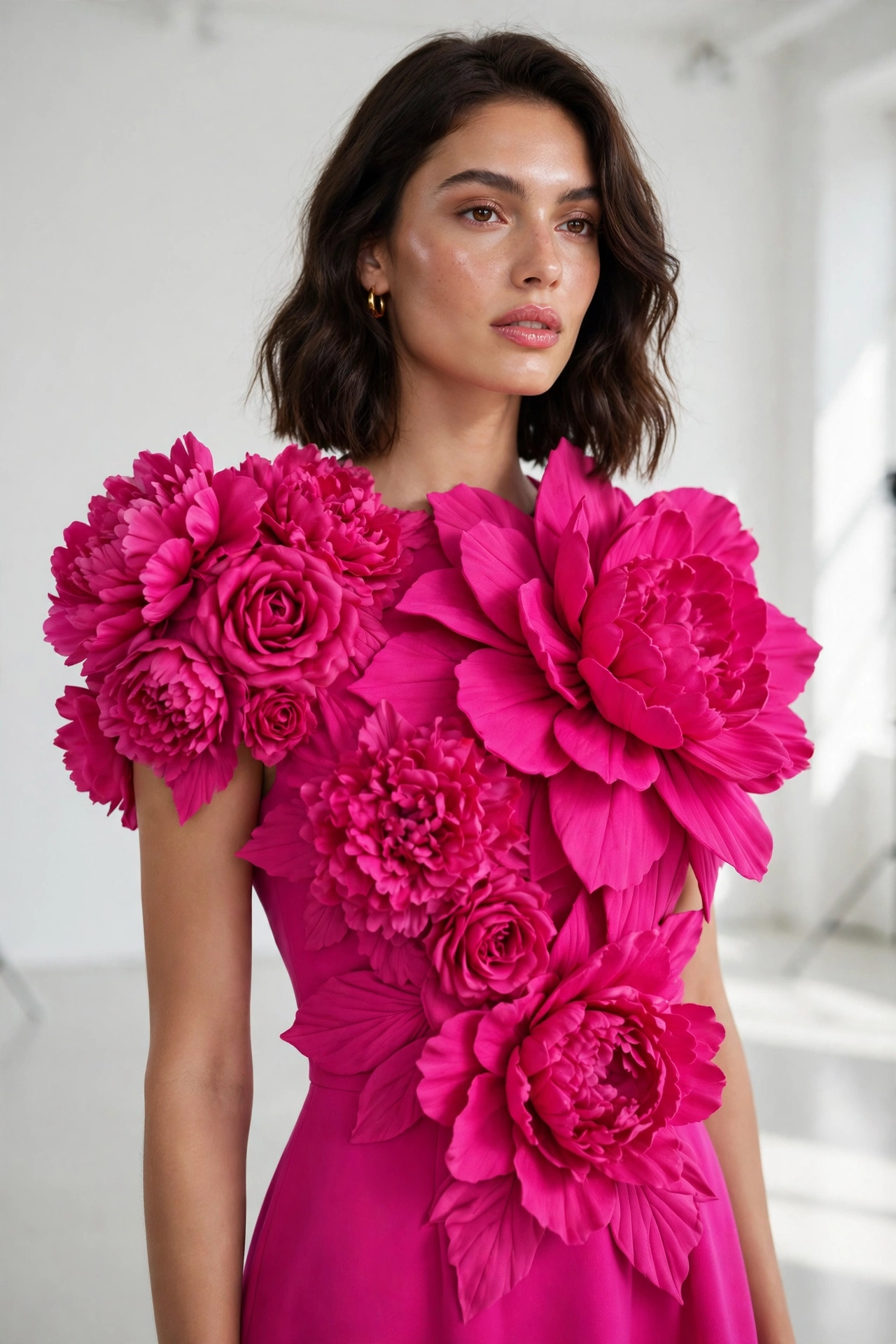
Pinks and florals have always been fashion’s shorthand for romance, but right now they mean something much bigger and much bolder. Pink is no longer the colour of softness alone, and florals are no longer the print of pretty restraint. Together, pinks and florals have become a fashion statement in bloom and blossom in the fullest sense: confident, expressive, sometimes deliberately over the top, and worn by people who want their clothes to say something before they say a word. This update looks at how the trend actually works in 2026, what the runways showed, and how to wear it without looking like a walking bouquet.
The appeal is easy to understand once you stop thinking of pink and florals as a single look. Pink alone spans an enormous range, from pale blush that behaves almost like a neutral to electric fuchsia that dominates a room, and floral prints span everything from tiny ditsy sprigs to photographic blooms the size of a dinner plate. That range is the point. They can be romantic or rebellious, office-appropriate or party-ready, vintage-leaning or fiercely modern, depending on scale, fabric and attitude, and the best outfits in this trend usually mix at least two of those moods at once.
What the Spring Summer 2026 Runways Actually Showed
The Spring/Summer 2026 shows gave this trend its clearest recent statement, and the evidence is refreshingly consistent across fashion weeks. Florals appeared everywhere from Fendi’s intricate floral lace to Celine’s romantic runway staged among nature, while Khaite used florals as part of a confident, grown-up wardrobe rather than as decoration. Pink was just as prominent, with bold hot pink at Balenciaga and Schiaparelli set against softer pastel pinks elsewhere, confirming that the colour of the season is not one pink but the whole pink spectrum worn with intent. A useful SS26 runway trend report brings that picture together, showing florals and pink sitting side by side as twin pillars of the season rather than as competing ideas.
What matters for real wardrobes is how those runway ideas translate. Designers were not simply repeating spring clichés; they were using florals at a larger scale, with brushstroke and watercolour effects, appliqué and embroidery that gave prints a three-dimensional quality, and they were pairing pink with sharp tailoring instead of only with floaty dresses. The result is a trend that photographs beautifully but also survives contact with everyday life, because a pink tailored suit or a floral midi dress with a structured jacket is wearable in a way that a fragile, head-to-toe confection is not. That balance between drama and wearability is what separates a passing fad from a genuine fashion statement.
Pink as Power Dressing
Pink as power dressing is the single biggest shift in how this colour is read today. A monochrome pink suit in fuchsia or magenta does not whisper; it announces its wearer, and that is exactly why it works in boardrooms, on stages and on red carpets. The trick is commitment: a single pink accent can look tentative, while a full tonal look in one pink family, with shoes and bag in neighbouring shades rather than exact matches, reads as deliberate and confident. Softer pinks work the same way at lower volume, with blush tailoring offering polish without shouting, which makes it a strong choice for workwear and formal occasions.
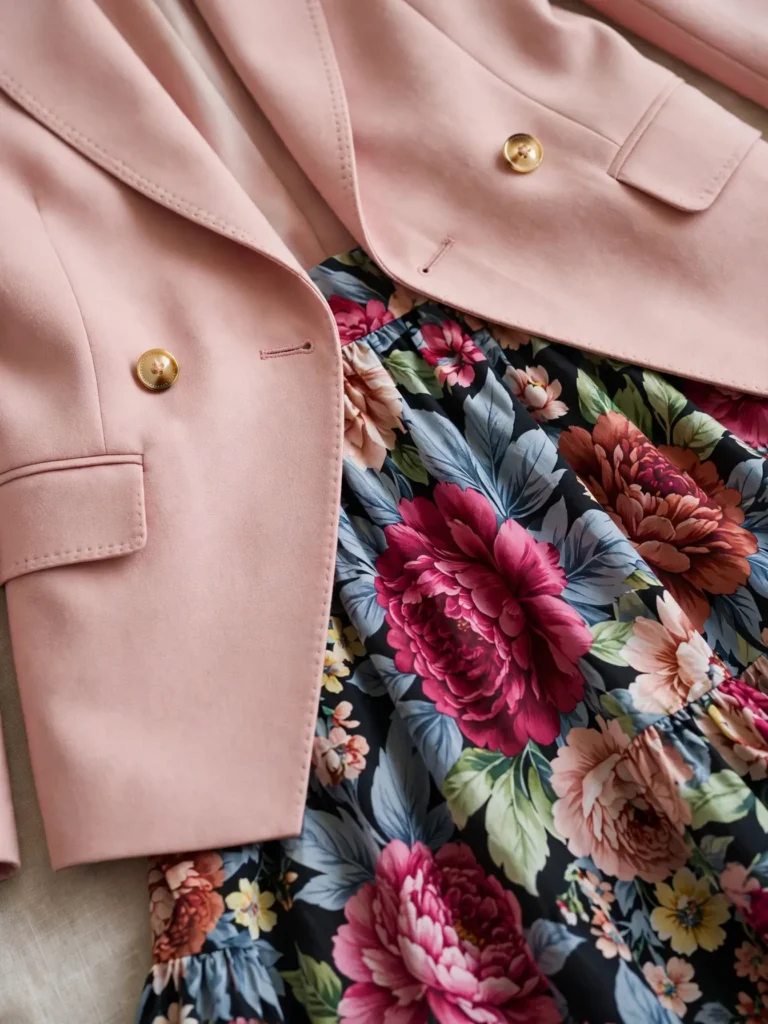
Texture is what stops tonal pink from looking flat. A satin pink skirt catches light differently from a wool pink blazer, and a knitted pink layer adds softness that keeps a sharp suit from feeling severe. Mixing those textures within one colour family creates depth without needing extra colours, and it is a technique that works across budgets, from high-street tailoring to designer pieces. Accessories should follow the same logic: choose one statement piece, such as a sculptural bag or a bold shoe, and let the rest of the outfit support it, rather than competing with the pink itself.
Florals Reimagined Beyond Vintage Prettiness
Florals reimagined for 2026 have left vintage prettiness behind without losing their romance. The defining move is scale: oversized blooms, photographic prints and abstract petals that behave more like modern art than like wallpaper. A single large bloom across a dress or a bold floral panel on a jacket creates a focal point that the rest of the outfit can orbit, which is far more striking than an all-over small print that blurs into background noise. Designers have also embraced contrast, placing soft botanical prints on sharp, structured silhouettes so that the romance of the flower meets the authority of the cut.
Colour placement matters as much as the print itself. A floral with a dark ground, such as black or deep green, reads as evening-ready and grown-up, while the same blooms on white or pastel grounds feel daytime and fresh. That distinction gives florals a versatility that many prints lack, because the same motif can move from a summer wedding to a dinner out simply by changing its background colour and fabric weight. For anyone building a wardrobe rather than buying a single outfit, a dark-ground floral dress and a light-ground floral blouse are two genuinely different tools, not two versions of the same thing.
How to Style Pink and Florals Without Overdoing It
Styling pinks and florals well comes down to giving each element room to breathe. The simplest reliable formula is one hero piece plus quiet support: a floral statement dress with plain shoes and minimal jewellery, or a pink suit with a simple white or black top underneath. When both pink and floral appear together, let one lead, for example a pink blazer over a floral dress in which pink is only one of the print’s colours, so the outfit feels coordinated rather than competitive. Neutral shoes, a plain bag and unfussy hair all help the statement pieces do their work.
Proportion and layering are the other two levers worth learning. A flowing floral skirt gains structure from a sharp jacket or a tucked-in tailored shirt, while a soft pink knit gains edge from straight-leg trousers or boots rather than from more softness. Tonal dressing works beautifully here too: building an outfit from blush through rose to magenta creates a gradient effect that looks intentional and expensive, even when the pieces come from different shops. The common mistake is adding too many romantic elements at once, such as ruffles plus lace plus florals plus pastel pink, which tips the look from editorial into costume; removing one romantic element almost always improves it.
Pinks and Florals for Every Occasion
One reason pinks and florals endure is that they adapt across occasions without needing a new wardrobe for each one. For weddings and celebrations, a floral midi or maxi dress in a pink-inclusive print is a reliable choice, especially when the scale of the bloom suits the formality of the event, with larger prints for bolder celebrations and smaller, more refined prints for formal daytime occasions. For work, blush pink tailoring or a floral blouse under a dark suit brings personality into a professional dress code without breaking it, and for weekends, pink denim, floral trainers or a floral shirt worn open over a plain tee keeps the trend casual and easy.
Seasonal thinking extends that versatility further. In spring and summer, lightweight fabrics such as cotton, linen and chiffon let pink and floral pieces breathe, while in autumn and winter the same palette works in heavier weights: a magenta wool coat, a dark-ground floral dress with boots, or a pink knit layered under a camel or charcoal coat. That year-round potential is part of why the trend keeps returning; it is not a single-season novelty but a colour and print family that can be reweighted for weather, occasion and mood, which makes it good value for anyone buying thoughtfully rather than impulsively.
Sustainability, Quality and Buying Better
Sustainability now belongs in any serious discussion of pink and floral fashion, because romantic trends have historically encouraged fast, disposable buying. The better approach is to buy fewer pieces in better fabrics: organic cotton, responsibly produced silk, recycled polyester and natural dyes all reduce the footprint of a floral dress or a pink suit, and well-made pieces hold their colour and print through many washes. Colour fastness matters particularly with pink, which can fade unevenly in cheap dyes, so checking care labels and washing in cool water with like colours is a practical habit that protects both the garment and the planet.
Second-hand and vintage shopping suit this trend especially well, since floral prints and pink tailoring from past decades often return to fashion with only minor styling updates. A vintage floral dress restyled with modern shoes, or a pre-loved pink blazer worn with contemporary denim, delivers the look with a fraction of the environmental cost of something new. The underlying principle is simple and worth repeating: these looks look best when they are worn with confidence and kept for years, not when they are bought cheaply, worn once and discarded, because the romance of the trend sits uneasily with throwaway habits.
Pinks and Florals as Cultural Statements
Beyond the wardrobe, pinks and florals have become cultural statements about who gets to be romantic, bold or powerful at the same time. Pink was once used to signal delicate femininity, and its reclamation as a colour of strength, worn across genders and in assertive tailoring, reflects a broader refusal of narrow dress codes. Florals carry a similar charge: once dismissed as merely pretty, they are now used by designers and wearers to claim softness as a deliberate aesthetic choice rather than as a default, pairing blooms with combat boots, sharp tailoring or streetwear to create a deliberate tension.
That cultural layer is why the trend resonates on social media as well as on runways. A pink monochrome outfit or an oversized floral look photographs with instant clarity, and it communicates mood, confidence and personality in a single image, which suits platforms built on visual storytelling. But the deeper point survives beyond the photograph: this pairing gives people a vocabulary for being both romantic and strong, both nostalgic and modern, without having to choose between those qualities. In a fashion culture that often forces such choices, that refusal to choose is itself the statement.
Conclusion
Pinks and florals are not a gentle trend politely returning each spring; they are a confident fashion language that has grown up. Pink now works as power dressing in tailoring and tonal looks, florals now work as bold, sculptural statements rather than as vintage decoration, and together they offer a range that covers weddings, workdays, weekends and evenings without losing coherence. The Spring/Summer 2026 runways confirmed the direction, with Fendi, Celine, Khaite, Balenciaga and Schiaparelli all treating pink and floral as serious design tools rather than as seasonal garnish.
The practical lesson is equally clear. Choose one hero piece, build around it with texture and proportion, let pink and floral share an outfit only when one of them leads, and buy quality pieces you will wear for years. Done that way, they become more than a fashion statement in bloom and blossom; they become a personal signature, romantic and assertive at once, that adapts to every occasion and every season.
If you enjoy pop culture with the same warmth and storytelling, you may also like our piece on how Ed Sheeran details the lovestruck jitters in sweet new single Shivers, which captures the nervous excitement of new romance. It is a lovely next read for anyone who likes their fashion romantic and their music just as heartfelt.
Frequently Asked Questions
Are pinks and florals still in fashion in 2026?
Yes. The Spring/Summer 2026 runways featured florals prominently, from Fendi’s floral lace to Celine’s romantic nature-staged show, and pink as a headline colour from hot pink at Balenciaga and Schiaparelli to softer pastels elsewhere, confirming both as current rather than dated trends.
How do you wear pink without looking too sweet?
Pair pink with structure and contrast: a tailored pink suit, pink with black or charcoal, or pink with boots and sharp tailoring all shift the colour from sweet to confident. Tonal pink dressing, mixing textures within one pink family, also reads as deliberate and powerful rather than sugary.
Can you wear pink and floral prints together?
Yes, provided one leads. A pink blazer over a floral dress that already contains pink, or a floral piece with a single pink accessory, keeps the outfit coordinated. Avoid pairing a loud pink with an equally loud floral at full volume, which tends to look competitive rather than styled.
What floral scale suits most people?
Oversized blooms make the strongest statement and suit confident, occasion dressing, while medium-scale prints are the most versatile for everyday wear. Small ditsy prints work best as blouses or accents rather than as head-to-toe looks, where they can blur into background noise.
How can pink and floral fashion be more sustainable?
Buy fewer, better pieces in quality fabrics, wash pink items in cool water to protect colour, and explore second-hand and vintage floral and pink tailoring, which often needs only modern styling to look current. Keeping pieces for years matters more than any single eco label.