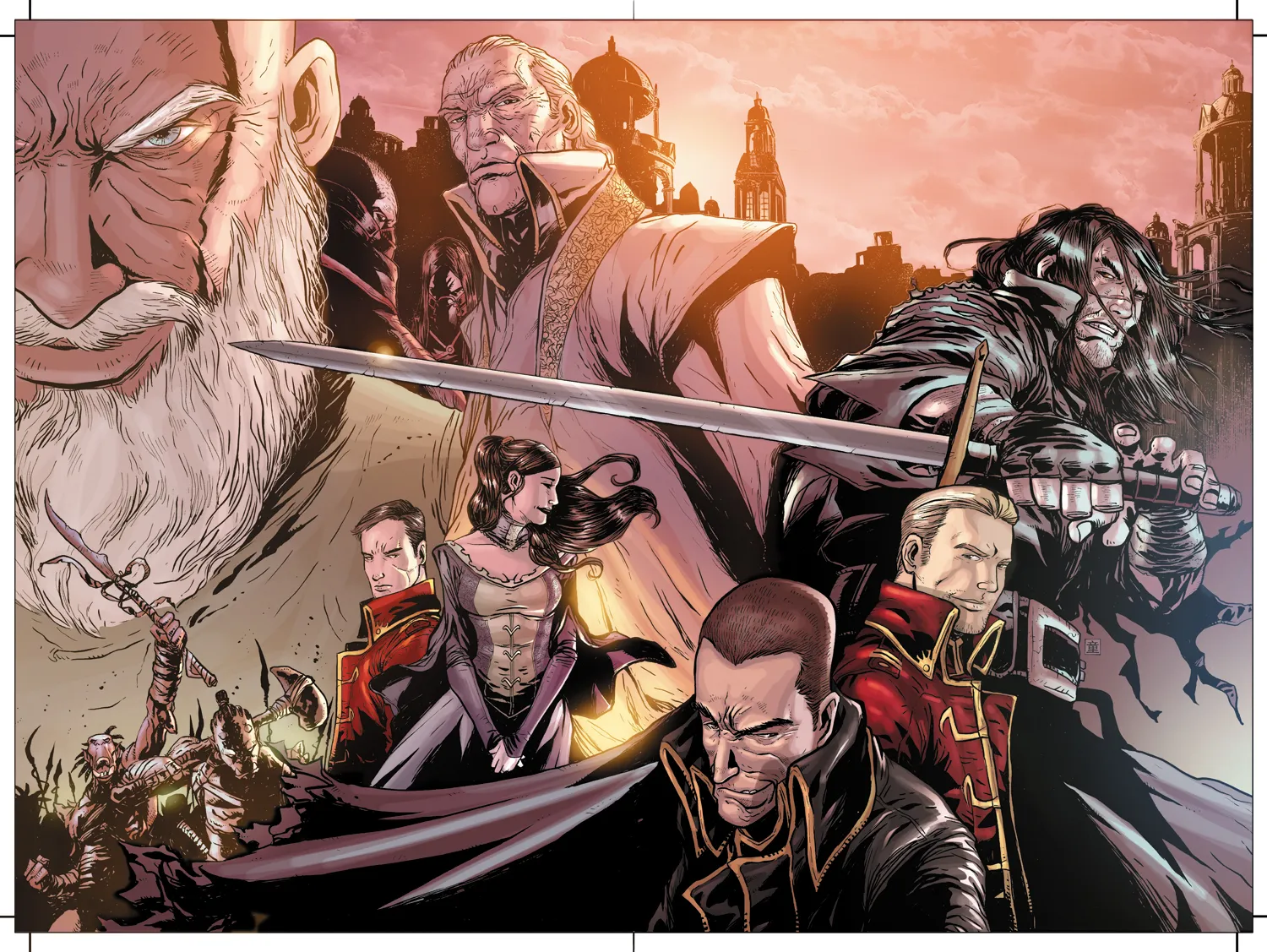
The Blade Itself by Joe Abercrombie is often recommended as one of the defining entries in modern dark fantasy, but it is not a typical fantasy novel. If you are expecting a fast-moving adventure with a clear hero and villain, this book may surprise you. Instead, it offers a character-focused story where morality is uncertain, outcomes are unpredictable, and progress is slow but deliberate.
For readers searching whether The Blade Itself is worth reading, the answer depends on expectations. This novel rewards patience, attention to character detail, and an interest in psychological depth rather than constant action. In this review, you will find a clear summary, character analysis, strengths, weaknesses, and a practical verdict to help you decide if this book suits your reading style.
The Blade Itself Summary: What Happens in the Story?
The story of The Blade Itself unfolds through multiple perspectives rather than a single linear plot. It follows three central characters whose paths gradually intersect: Logen Ninefingers, a feared warrior attempting to leave behind a violent past; Inquisitor Glokta, a former soldier now working as a torturer within a corrupt system; and Jezal dan Luthar, a self-absorbed nobleman with ambitions of recognition and status. Each storyline develops independently before subtle connections begin to emerge.
Unlike traditional fantasy novels, the book does not revolve around a central quest or immediate conflict. Instead, it focuses on introducing the world, exploring political tensions, and developing the personalities of its characters. This structure allows readers to understand motivations and relationships in depth, but it also means that the plot moves slowly. The emphasis is on building a foundation for the larger trilogy rather than delivering a complete, self-contained narrative.
Main Characters in The Blade Itself: A Closer Look
The strength of The Blade Itself lies in its characters, who are defined by their flaws rather than heroic qualities. Logen Ninefingers is a man shaped by violence, constantly questioning whether change is possible or if he is bound to repeat his past. His internal conflict adds emotional weight to his actions, making him more than a typical warrior figure.
Inquisitor Glokta offers a different perspective, combining intelligence, bitterness, and physical suffering. His role exposes the darker side of authority and justice, while his thoughts reveal a sharp and often ironic understanding of the world around him. Jezal dan Luthar begins as arrogant and superficial, but his gradual development provides contrast to the other characters. Together, these individuals create a narrative driven by personality rather than plot, making the story feel grounded and realistic.
Themes and Meaning: What Does The Blade Itself Explore?

One of the central ideas in The Blade Itself is that violence is not heroic but cyclical and destructive. The novel avoids glorifying combat and instead presents it as unpredictable and often meaningless. This approach challenges traditional fantasy storytelling, where battles are usually tied to clear moral outcomes. Here, actions are shaped by necessity, survival, and personal weakness rather than ideals.
The book also explores themes of power, identity, and moral ambiguity. Characters operate in a world where clear distinctions between right and wrong are rare, and decisions often come with unintended consequences. This creates a narrative that feels closer to real-life complexity than fictional simplicity. By focusing on internal conflict as much as external events, the novel encourages readers to consider how individuals justify their choices.
Writing Style and World-Building Approach
Joe Abercrombie’s writing style is direct and controlled, with a strong focus on character perspective. Much of the narrative relies on internal thoughts, allowing readers to understand not just what characters do, but why they do it. This technique creates a sense of closeness that makes even difficult or morally questionable characters engaging to follow.
The world-building is introduced gradually rather than through long explanations. Political structures, regions, and conflicts are revealed through events and dialogue, making the setting feel natural without slowing the narrative. While the world may not appear as expansive at first, it gains depth as more details emerge. This method supports the overall tone of the book, which prioritizes realism over spectacle.
Pacing and Structure: Why the Story Feels Slow
A common observation about The Blade Itself is that its pacing is slower than expected. The book spends a significant amount of time introducing characters and establishing the world before major events begin to unfold. For readers accustomed to immediate action, this can feel like a lack of progress.
However, this structure serves a specific purpose. The first installment functions as a setup for the broader trilogy, ensuring that later developments have stronger impact. By investing time in character and context, the story builds a foundation that supports more complex narrative developments in subsequent books. Understanding this approach can help readers adjust their expectations and appreciate the long-term design of the series.
Strengths and Weaknesses of The Blade Itself
One of the key strengths of The Blade Itself is its focus on character depth and realism. The narrative avoids predictable outcomes and instead presents situations that feel uncertain and authentic. The dialogue is effective, and the internal perspectives add layers that keep the reader engaged even when external events are limited.
On the other hand, the book’s structure may not appeal to everyone. The absence of a clear central objective and the slow pace can make it challenging for readers who prefer plot-driven stories. Additionally, because the novel is designed as part of a trilogy, it does not provide a complete resolution on its own. These factors should be considered before starting the book, as they influence the overall reading experience.
Is The Blade Itself Worth Reading Today?
Whether The Blade Itself is worth reading depends largely on what you expect from fantasy literature. For readers interested in character-driven storytelling, moral complexity, and a departure from traditional heroic narratives, it offers a rewarding experience. Its focus on internal conflict and realistic consequences aligns well with modern preferences for deeper, more thoughtful fiction.
However, readers looking for fast-paced action or a clearly defined plot may find it less engaging. The novel requires patience and attention, particularly in its early chapters. Those willing to continue through the trilogy are more likely to see its full value, as later books build on the groundwork established here. In that context, The Blade Itself becomes an important starting point rather than a standalone highlight.
Final Verdict: Should You Read The Blade Itself?
The Blade Itself stands out as a deliberate and carefully structured introduction to a larger story. It does not rely on traditional fantasy elements to capture attention but instead builds interest through character exploration and thematic depth. This approach makes it different from many other novels in the genre and contributes to its lasting reputation.
For the right reader, it offers a meaningful and engaging experience that goes beyond surface-level entertainment. While it may not suit everyone, its focus on realism, complexity, and character development ensures that it remains relevant and widely discussed. If you are open to a slower, more thoughtful narrative, this book is worth considering as the beginning of a larger journey.
FAQ: The Blade Itself Review and Reader Questions
Is The Blade Itself a complete story on its own?
The book functions more as the first part of a larger narrative rather than a fully self-contained story. It introduces characters and conflicts that continue to develop in later installments, so reading the full trilogy provides a more complete experience.
What type of reader will enjoy The Blade Itself most?
Readers who prefer character-focused storytelling, moral ambiguity, and realistic portrayals of conflict are more likely to enjoy this book. It is particularly suited to those interested in darker fantasy themes.
Does the book have a fast-paced plot?
No, the pacing is relatively slow, especially at the beginning. The story prioritizes character development and world-building over immediate action, which may not appeal to all readers.
Is The Blade Itself suitable for beginners in fantasy?
It can be suitable for beginners who are open to a slower and more thoughtful narrative. However, those expecting traditional fantasy elements may need time to adjust to its style.
Is The Blade Itself worth reading?
Yes, for readers who value depth and complexity over speed and simplicity. While it may not appeal to everyone, it offers a distinctive experience that sets it apart from more conventional fantasy novels.
You may also read: Whisky Stones: The Ultimate Guide to Chilling Whisky Without Ice