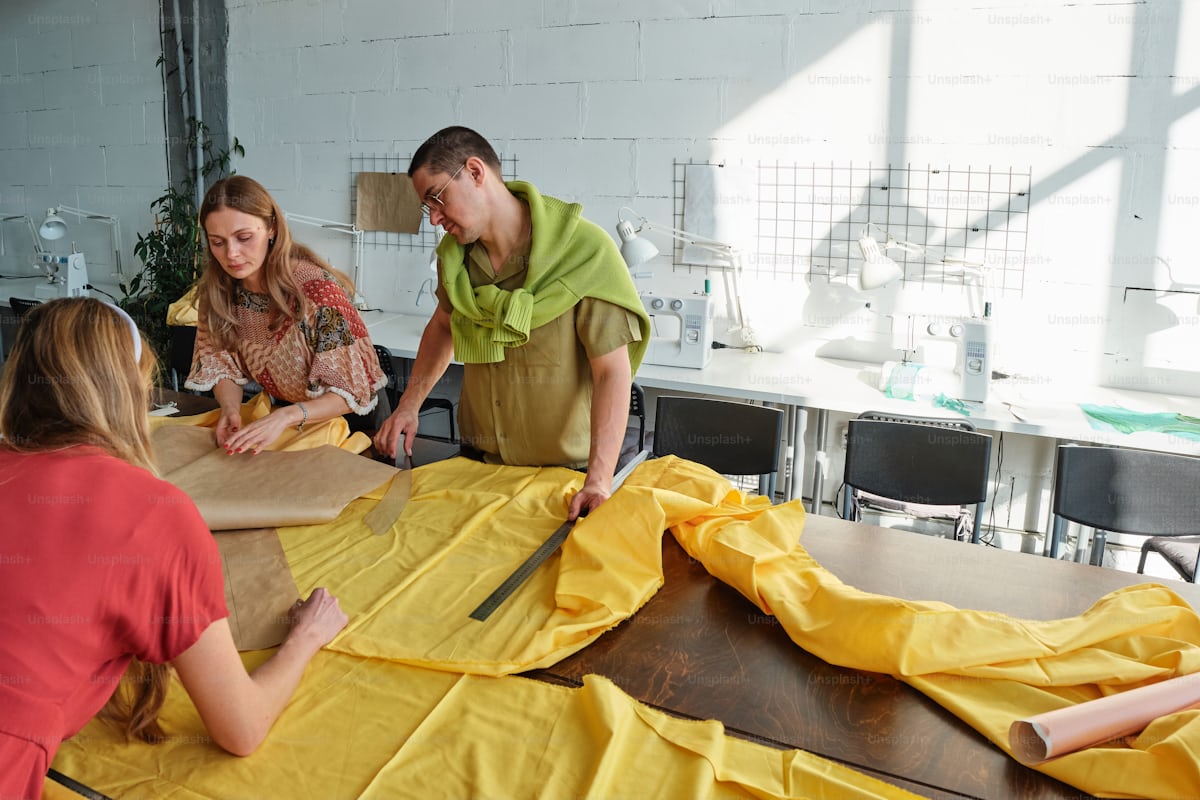
In daily life, there is an increase in the need to be sustainable. This is particularly noticeable with reference to consumer behaviour and what it is they are looking for when they go shopping. In the broader context, it’s unsurprising due as climate change and environmental degradation are quickly changing the way people make their lifestyle choices. Not only does it mean people are purchasing different things, but they are also contributing to the energy transition and the move toward sustainable development. In particular, the younger generation are the forefront of this push. Often referred to as the Green Generation, Gen Z and Millennials are opting for eco-friendly options, sustainable items and using products that have a lower impact on the environment as a whole. This is particularly noticeable when it comes to the fashion industry.
Why Sustainable Fashion Matters
One of the biggest impacts the fashion industry has is on the environment. Over 90 million tons of textile waste are generated on a yearly basis. This is because many low-cost or fast fashion items are poorly constructed and not built to last on purpose. This means that there is an increase in waste and consequently, pollution. With better quality items comes a longer lifespan. Not only does this way of thinking reduce the amount of rubbish and thrown away items, but it is also good for reducing overall consumption of products and goods. However, there are still challenges. This is because sustainable materials typically require more research, innovation and ethical production practices which makes them more expensive all round. However, the investment usually means that there are higher-quality garments produced. This has the dual benefit of being good for the environment and the wearer.
Budget-Friendly Sustainable Choices & Discount Codes
As shifting to a sustainable wardrobe can be expensive, many shoppers struggle to do so. However, there are some steps that can be taken to make eco-friendly fashion affordable. For example, shoppers can look for end-of-season sales or outlet collections from sustainable brands. Both of these options mean that there’s typically less choice than during the main season, but the discounts are typically substantial. Another option is to look for, and use, discount codes or online coupon platforms that focus on eco-conscious retailers. By visiting the official Discoup platform shoppers can find and explore a wide variety of discount codes for ethical fashion brands. Using this site and other similar tools helps to support sustainable shopping habits by making higher-quality items more financially accessible. With this in mind, affordability should not come at the cost of ethics or quality. Instead, it’s all about considering the value behind the price tag. Choosing fewer, better-made items rather than looking for super low prices which often indicate poor labour conditions and environmental damage, is the way forward.
How to Choose and Care for Sustainable Clothing
Choosing and looking after sustainable clothing also has its differences when compared to traditional clothing. Using the following tips, shoppers can make conscious, lasting wardrobe choices. For example, it’s essential to read garment labels carefully. Look for natural fibres like cotton, or wool, but always consider the production footprint. It’s also important to be aware of greenwashed items such as bamboo, unless the process is transparently sustainable.
With this in mind, it’s a good idea to check out second-hand shops, swap clothes with friends or even simply rent items when it’s for a one-off occasion. Doing so can really ease the overall financial burden of keeping a constantly updated wardrobe. For those that already have eco-friendly items, then the key is maintaining them. Handwashing, air-drying and learning how to mend basic tears or hems can help extend a garment’s life quite substantially. Creative mending techniques like sashiko or visible mending help to add flare, blend a bit of style and make the item stand out.
Fashion with a Future
With the rise of sustainable fashion, shoppers should reconsider their relationship with clothing. With a mindset shift, instead of going for quantity or following trends, cloth shopping should be about meaningful and intentional choices. Curate the wardrobe and build one based on quality and ethical principles while still maintaining both a timeless and expressive look.