Things to Do in Amsterdam: The Best Attractions, Canals and Experiences
Amsterdam is one of those rare cities that rewards you whether you plan every hour or simply wander and see what happens, and the list of things to do in Amsterdam is long enough to fill a week without ever repeating yourself. The Dutch capital packs world-class museums, centuries-old canals, lively neighbourhoods, historic houses and green parks into a compact centre that is best explored on foot or by bicycle, and most of the famous sights sit within a short walk or tram ride of each other. First-time visitors often arrive with the same three names on their list, the Rijksmuseum, the Anne Frank House and the canals, and all three deserve their reputation, but the city has far more to offer once you look beyond the obvious.
What makes the things to do in Amsterdam so satisfying is the way the city mixes the grand and the everyday. You can spend a morning staring at a Vermeer, an afternoon browsing a street market in the Jordaan, and an evening on a canal boat watching the light change on the gabled houses, and each of those experiences feels like a different city. This guide covers the essential attractions, the neighbourhoods worth your time, the practical tips that make a trip smoother, and a few experiences that visitors often miss, so you can build an Amsterdam trip that suits you rather than following someone else’s checklist.
Cruise the Canals and See the City from the Water
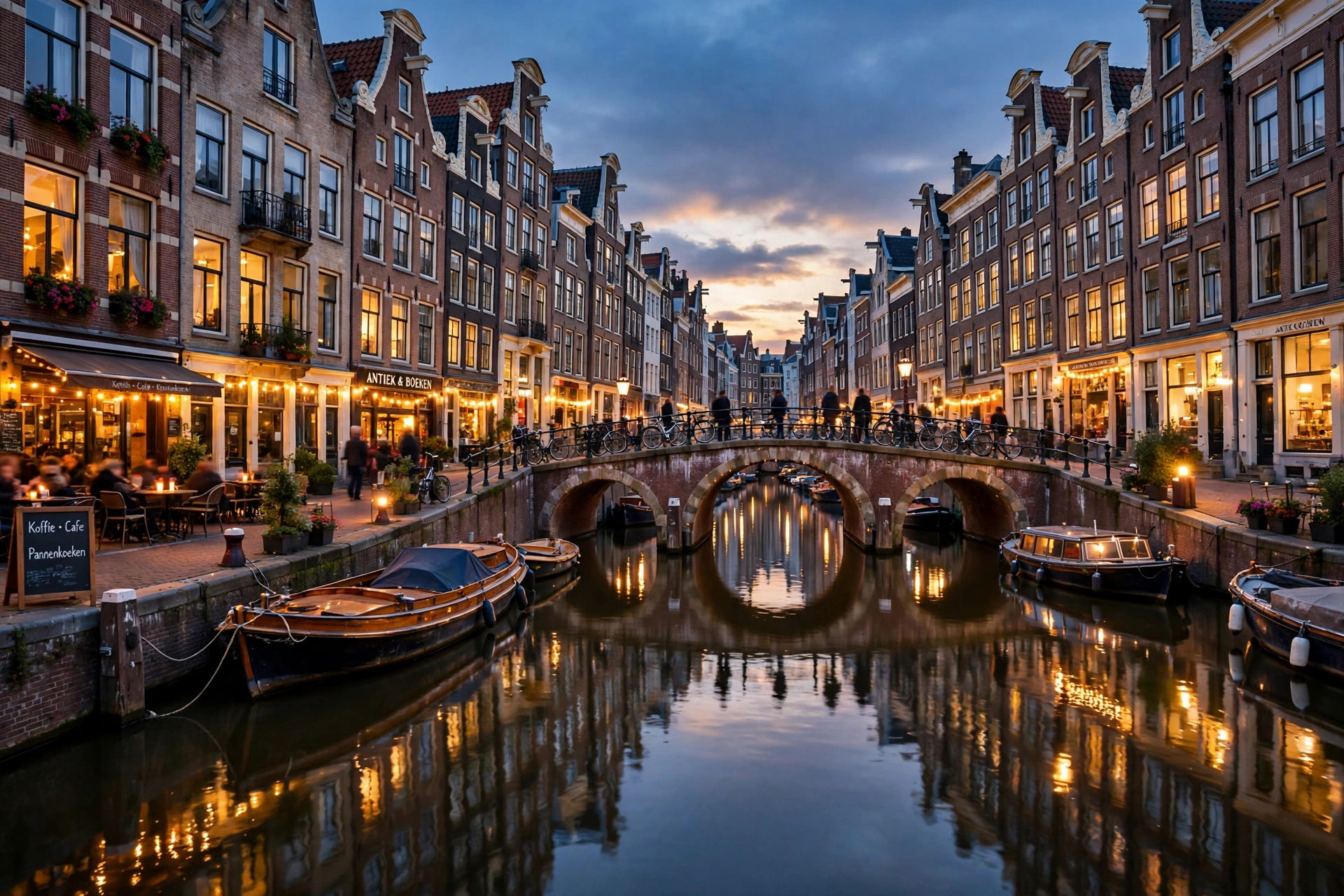
The canals are the first thing most visitors want to experience, and for good reason, because Amsterdam was built around its water and the city makes the most sense when you see it from a boat. The Canal Ring, the Grachtengordel, was dug in the seventeenth century during the Dutch Golden Age and is now a UNESCO World Heritage Site, with elegant merchant houses, arched bridges and houseboats lining the Herengracht, Keizersgracht and Prinsengracht. A canal cruise is one of the most relaxing things to do in Amsterdam, and most boats run for about an hour, with commentary in several languages and options ranging from open boats in summer to glass-topped boats with heating in winter.
If you would rather skip the tour boats, you can hire a small electric boat and steer it yourself, which is allowed without a licence on many of the canals, or you can simply walk the canal banks at dusk, when the lights come on and the bridges glow. The stretch of the Prinsengracht near the Jordaan is especially beautiful in the evening, and the Seven Bridges of the Reguliersgracht, where you can see seven arched bridges in a line, is one of the most photographed views in the city. However you choose to see them, the canals are not just a backdrop in Amsterdam, they are the city’s defining feature, and no visit feels complete without time on or beside the water.
Visit the Rijksmuseum and Museumplein
The Rijksmuseum is the Netherlands’ national museum and the single most important cultural stop among the things to do in Amsterdam, holding more than eight thousand objects that tell the story of Dutch art and history. Its star attraction is Rembrandt’s The Night Watch, painted in 1642 and displayed in its own grand gallery, but the museum also holds Vermeer’s The Milkmaid, the library, the doll’s houses and a superb collection of Dutch Golden Age painting that rewards a slow visit. The building itself, designed by Pierre Cuypers and reopened after a ten-year renovation in 2013, is worth admiring, with its grand atrium and its gardens, which are free to enter and lovely in summer.
The museum sits on Museumplein, a broad square that also holds the Van Gogh Museum, the Stedelijk Museum of modern art and the Concertgebouw concert hall, so you can easily spend a full day in this one corner of the city. The Van Gogh Museum holds the world’s largest collection of the artist’s work, including Sunflowers and The Bedroom, and it is worth booking a timed ticket in advance because it sells out regularly. If museums are not your thing, Museumplein itself is a pleasant place to sit, and in winter it hosts an ice rink, while in summer the lawns fill with people picnicking and playing games.
The Anne Frank House and the Jordaan
The Anne Frank House is one of the most moving things to do in Amsterdam, and it is also one of the most popular, so booking ahead is essential. The museum preserves the secret annexe at Prinsengracht 263 where Anne Frank and her family hid from the Nazis for more than two years, and walking through the narrow rooms, past the bookcase that hid the entrance, is an experience that stays with visitors long after they leave. The museum tells the story with care and restraint, using Anne’s diary, photographs and film, and it also covers the wider history of the Holocaust and the importance of fighting prejudice today. Tickets are released online only and usually sell out weeks ahead, so this is one sight you must plan around rather than leave to chance.
The Anne Frank House sits on the edge of the Jordaan, Amsterdam’s most charming neighbourhood and one of the best places in the city simply to wander. The Jordaan was once a working-class district and is now full of independent shops, brown cafes, art galleries and quiet courtyards called hofjes, and its narrow streets are perfect for a slow afternoon. The Noordermarkt hosts a farmers’ market on Saturdays and a flea market on Mondays, and the area around the Westerkerk, the church with the tallest tower in Amsterdam, is full of places to eat and drink. The Jordaan shows a side of Amsterdam that the big museums cannot, a neighbourhood that still feels lived in, and it is one of the best things to do in Amsterdam for travellers who want to slow down.
Explore the Nine Streets, Markets and Food
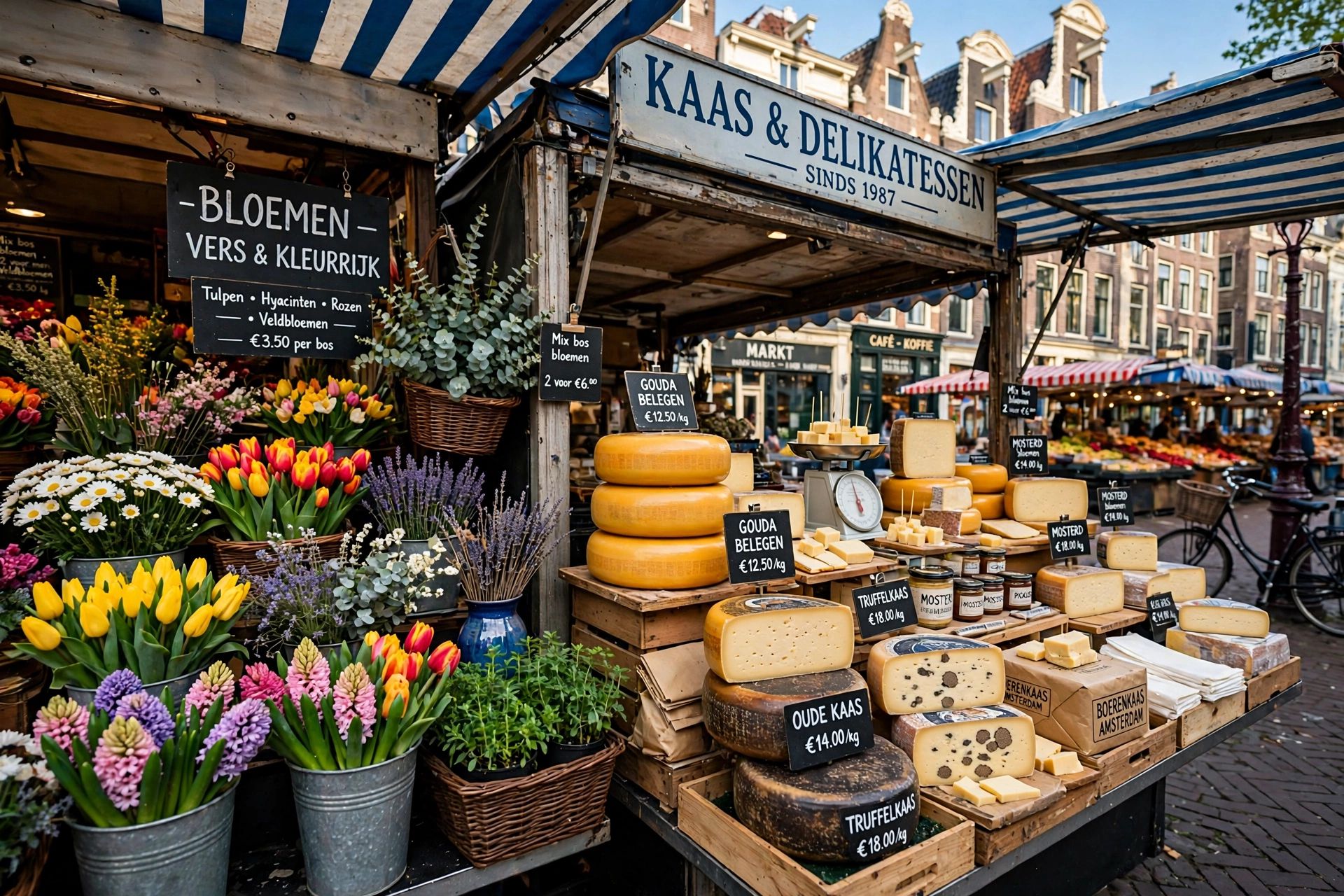
Shopping in Amsterdam is at its best in the Nine Streets, the De Negen Straatjes, a grid of small streets between the canals that is packed with vintage shops, bookshops, cheese sellers, jewellers and cafes. The area is compact enough to explore in an hour but rewarding enough to fill an afternoon, and it is a good antidote to the big chain stores of Kalverstraat. Nearby, the Flower Market on the Singel sells bulbs and blooms from floating stalls, and while it is touristy, it is still a cheerful place to browse, especially in spring when the tulips are in season.
Food is one of the great pleasures among the things to do in Amsterdam, and the city does street food and casual eating particularly well. Try stroopwafels fresh from the iron at the Albert Cuyp Market, Amsterdam’s largest street market, pick up a cone of thick-cut fries with mayonnaise from a frituur, and look out for herring stands, where the Dutch eat raw herring with onions, a taste that divides visitors but is worth trying once. The Foodhallen in the west of the city brings together dozens of small food stalls under one roof, and the Jordaan and De Pijp neighbourhoods are full of restaurants serving everything from Indonesian rijsttafel, a legacy of the Dutch colonial past, to modern Dutch cooking.
Vondelpark, Cycling and the Outdoors
Vondelpark is Amsterdam’s largest and most loved park, and on a sunny day it is one of the best free things to do in Amsterdam. The park stretches for nearly fifty hectares south-west of the centre, with ponds, lawns, an open-air theatre in summer, cafes and plenty of space for picnics, running and cycling. Locals use it as their garden, and joining them for an hour, whether you are jogging, reading on the grass or hiring a bike and riding its paths, is one of the simplest pleasures the city offers. The park is also a good place to recover from a busy morning of sightseeing before heading back into the centre.
Cycling is the other great outdoor experience in Amsterdam, because the city is famously flat and has more bicycles than people, with dedicated cycle lanes almost everywhere. Hiring a bike for a day is one of the best things to do in Amsterdam if you are a confident rider, and it lets you cover far more ground than walking, from the parks of the south to the quieter canals of the east. Be careful, though, because Amsterdam’s cyclists ride fast and expect you to know the rules, so stay in the cycle lanes, signal before turning and never walk in them. If you would rather not ride, the trams are efficient and easy, and a multi-day public transport pass is good value for most visitors.
Day Trips and Hidden Corners
One of the best things to do in Amsterdam is to use it as a base for a day trip, because the Netherlands is small and its trains are fast. Zaanse Schans, about twenty minutes away, is an open-air museum of windmills, wooden houses and craft workshops, and it is the easiest way to see the classic Dutch landscape of canals, windmills and green fields. Haarlem, fifteen minutes by train, is a beautiful smaller city with a grand market square, the Frans Hals Museum and fewer crowds than Amsterdam, and it makes a relaxing half-day escape. In spring, the Keukenhof gardens, open roughly from late March to mid-May, display millions of tulips and are one of the most famous flower shows in the world, although they are very busy, so book tickets in advance.
Back in the city, there are quieter corners that reward the curious. The Begijnhof is a hidden courtyard of historic houses and a small chapel, reached through a narrow archway off the Spui, and it feels a world away from the busy streets outside. The Hortus Botanicus, one of the oldest botanical gardens in the world, is a peaceful place to spend an hour, and the NEMO Science Museum has a free rooftop terrace with one of the best panoramic views in Amsterdam. These smaller sights are what turn a good trip into a memorable one, and they are the reason so many visitors plan a return.
Planning How Many Days You Need in Amsterdam
For most first-time visitors, three days is the sweet spot for the things to do in Amsterdam, giving you one day for the museums, one day for the canals and neighbourhoods, and one day for markets, parks and a day trip. Two days is enough for the highlights if you plan carefully and book the Anne Frank House and the Van Gogh Museum in advance, while four or five days lets you slow down, explore the eastern districts and take a proper day trip to the coast or the countryside. Whatever your schedule, it helps to group sights by area, because Amsterdam’s centre is compact and you will waste less time travelling if you explore one neighbourhood at a time.
The best time to visit depends on what you want. Spring brings tulips and mild weather but also the biggest crowds, summer is warm and lively with long evenings, autumn is quieter and the parks turn golden, and winter is cold but atmospheric, with fewer tourists and the Amsterdam Light Festival brightening the canals. The city’s official tourism site, I amsterdam, has up-to-date information on events, tickets and opening times, and it is worth checking before you travel: I amsterdam
What is the number one thing to do in Amsterdam?
The most popular thing to do in Amsterdam is a canal cruise combined with a visit to the Rijksmuseum, because together they capture the two things the city is most famous for, its water and its art. The canals are a UNESCO World Heritage Site and the Rijksmuseum holds Rembrandt’s The Night Watch, and most first-time visitors put both at the top of their list. If you only have one day, do the cruise in the morning and the museum in the afternoon, and finish with dinner in the Jordaan.
How much does it cost to visit Amsterdam?
Amsterdam is one of the more expensive cities in Europe, but the main sights are reasonably priced. A canal cruise usually costs around 15 to 20 euros, the Rijksmuseum charges around 25 euros for adults, and the Van Gogh Museum is a similar price, while children under eighteen get into the Rijksmuseum free. Walking, cycling and the parks cost nothing, and many visitors find that a city card or museum card pays for itself if they plan to visit several museums in a few days.
Do you need to book the Anne Frank House in advance?
Yes, you must book the Anne Frank House online in advance, because tickets are only sold through the museum’s website and they regularly sell out weeks ahead. Around eighty percent of tickets are released two months in advance, with the rest released on the day, and there are no tickets sold at the door. If you cannot get a ticket, the museum’s website offers a virtual tour, and the Jordaan neighbourhood around it is still worth a visit.
Is Amsterdam safe for tourists?
Amsterdam is generally a safe city for tourists, with low levels of violent crime, but visitors should take the usual precautions. Pickpockets operate in busy areas such as Centraal Station, Dam Square and the Red Light District, so keep bags closed and valuables out of easy reach. Be careful around cycle lanes, because cyclists move fast and do not always stop, and avoid buying anything from street dealers, which is illegal and unsafe.
What is the best area to stay in Amsterdam?
The best area to stay depends on your trip. The Canal Ring and Jordaan are the most atmospheric and central, putting you within walking distance of the main sights, while De Pijp is livelier and better for food and nightlife. Museumplein suits museum lovers, and the area around Centraal Station is convenient for transport but busier and noisier. Staying just outside the centre, for example in Amsterdam Noord across the river, can be cheaper and quieter, with a free ferry across to the centre.
When is the best time to visit Amsterdam?
Spring, from April to May, is the most popular time to visit Amsterdam, because the tulips are in bloom and the weather is mild, although it is also the busiest season. Summer brings warm weather and long evenings, autumn is quieter with golden parks and fewer crowds, and winter is the cheapest and quietest season, with festive lights and the Light Festival. For the best balance of weather and crowds, late May, June and September are often the sweet spot.
Conclusion
Amsterdam rewards visitors who mix the famous sights with the simple pleasures, and the best things to do in Amsterdam are not only the museums and the canal cruises but the walks through the Jordaan, the markets, the parks and the quiet courtyards that most tourists never find. Plan the big tickets in advance, leave room in your days to wander, hire a bike if you are confident, and let the city surprise you, because Amsterdam has a way of doing that. Whether you come for the art, the history, the food or simply the atmosphere, the Dutch capital is a city that stays with you long after you leave.
For more on the world of sport, read our guide to the rules and positions of the game here: Rugby Positions