Healing after surgery can feel confusing, especially when you are staring at a bandage and wondering what you should see. Most wounds go through predictable stages, but the details can still make people nervous. PAM Health often reminds patients that good wound care is primarily about consistency, cleanliness, and knowing when to speak up.
Start With The Instructions You Were Given
Every surgery is a little different, so your surgeon’s instructions come first. Some incisions need to stay covered longer, while others can be left open to air after a certain point. If your paperwork says something specific, follow that even if a friend had different rules.
Before you do anything, read the directions once when you are calm and not rushed. If something is unclear, call the office and ask for a plain explanation. Confusion is a common reason people overclean or change dressings too often.
Keep Your Hands And Supplies Clean
The simplest wound care mistake is touching the area with unwashed hands. Wash with soap and water, then dry with a clean towel before you handle dressings. If you use gloves, put them on after washing, not instead of washing.
Set up a clean surface before you start, like a wiped-down counter or table. Lay out what you need so you don’t have to search mid-change. When supplies hit the floor, treat them as contaminated and grab a fresh one.
Dressing Changes Should Be Gentle And Planned
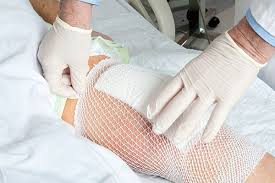
If you are told to change the dressing, do it on a schedule that makes sense. Ripping dressings off quickly can irritate skin and pull on healing tissue. Slow removal, with steady pressure on the surrounding skin, is often more comfortable.
If the dressing sticks, do not panic or yank it off. Some dressings loosen with time or with guidance from your care team on safe removal. When in doubt, call and ask rather than forcing it.
What Normal Healing Often Looks Like
In the early days, mild redness along the incision line can be normal. Light swelling and soreness are also expected, especially after activity. You may see a small amount of clear or pale pink drainage at first, depending on the procedure.
Over time, the incision usually looks less angry and more settled. Bruising often changes colors, moving from dark to yellowish as it fades. Itching can appear later and often signals healing, not infection.
What Is Not Normal And Should Be Reported
Redness that spreads outward, grows rapidly, or feels hot to the touch needs attention. Thick, yellow, green, or foul-smelling drainage is a common warning sign. Fever, chills, or a sudden increase in pain can also point to infection.
Bleeding that soaks through dressings repeatedly is not something to watch and wait on. A wound that opens, tears, or develops new gaps should be reported promptly. If you feel lightheaded, short of breath, or severely unwell, seek urgent care.
Showering And Keeping The Area Dry
Many people want to shower as soon as possible, but timing depends on the closure method. If showering is allowed, let water run gently, and avoid scrubbing the incision. Pat the area dry with a clean towel, using light pressure.
Avoid soaking until you are clearly told it is safe. Baths, pools, and hot tubs can introduce bacteria and soften healing tissue. Even if the incision looks fine, soaking too early can set you back.
Lotions, Ointments, And Products To Avoid
Do not apply creams, oils, or ointments unless your surgeon tells you to. Some products trap moisture, irritate skin, or interfere with surgical glue or tape. Fragrance- and alcohol-based products can also cause burning or a rash.
If the skin around the dressing becomes itchy, talk to your care team before self-treating. Sometimes the issue is adhesive irritation rather than the incision itself. A different dressing type can solve the problem without adding new products.
Pain, Swelling, And Activity Effects
It is normal for the area around your incision to feel more tender when you start moving around more. You might also notice extra swelling after physical therapy or a longer walk, and then see it settle back down once you rest. If your surgeon okayed it, icing and elevating the area can ease discomfort and make it easier to keep moving.
Pay attention to patterns rather than single moments. If the wound looks worse every evening after activity but improves by morning, that may be expected. If it worsens day after day with no improvement, call and describe the trend.
Managing Drainage The Right Way
Some drainage is normal early on, but the amount should usually decrease with time. If you are using a dressing, you should see less saturation as the days pass. Keep note of color, thickness, and smell, because those details help clinicians triage.
If you have drains, follow the instructions exactly and record outputs if asked. Keep the area where the drain exits clean and protected from pulling. A sudden change in production or redness around the drain site should be reported.
Surgical Glue, Staples, And Steri Strips
If your incision was sealed with surgical glue, think of it like a thin shield over the skin. It usually starts to crack and peel a little at a time as the incision heals underneath. Try not to pick at it, even if the edges lift, because pulling it off too soon can irritate the area or open the surface.
If you have staples or stitches, keep your follow-up appointment for removal. Do not assume they will dissolve unless you were told that directly. Steri strips usually fall off on their own, and pulling them early can irritate the skin.
Protecting The Wound During Daily Life
Clothing can rub, especially around waistlines, knees, shoulders, and ankles. Choose loose, soft fabrics and avoid friction whenever possible. If you use a brace or compression garment, make sure it fits correctly and does not create pressure points.
Pets, children, and crowded spaces add risk during the first phase of healing. Keep the wound covered when needed and avoid bumping the area. If you return to work, plan for clean breaks so you can check the incision without rushing.
When To Call, And What To Say
If you call your surgeon’s office, be ready with specific details. Describe the size of redness, the type of drainage, your temperature, and whether the pain is changing. If you can, take a clear photo in good light for reference, but still call if you are worried.
Do not minimize symptoms because you do not want to be a bother. Early reporting often prevents bigger problems and more intense treatment. A quick check can save you a stressful emergency visit.
FinaL Thoughts
Good wound care after surgery is mainly about steady routines and thoughtful observation. When you know what is normal, you can stay calm and focus on recovery. PAM Health encourages patients to trust the plan, watch for clear warning signs, and reach out early when something feels off.