UK Insurance Limited is a regulated insurance company in the United Kingdom that operates primarily as an underwriting entity rather than a consumer-facing retail brand. It forms part of a wider insurance group structure and plays a key role in supporting several well-known insurance brands by assuming legal and financial responsibility for insurance policies. Although many customers may not actively seek out this company by name, it frequently appears in policy documents and regulatory disclosures, making it an important entity within the UK insurance ecosystem.
In the modern UK insurance market, it is common for insurance products to be sold under familiar brand names while being underwritten by a separate legal company. UK Insurance Limited fits this model and operates within a tightly regulated framework designed to protect policyholders and ensure financial stability. Understanding the company’s purpose, regulatory position, and operational role helps clarify why its name appears on insurance documentation and what responsibilities it holds.
This article provides a detailed, independent overview of UK Insurance Limited, focusing on its background, regulatory authorisation, group structure, and function within the insurance industry. The aim is to explain the company in clear, practical terms without promotional language or unnecessary complexity.
Understanding UK Insurance Limited as a Corporate Entity
UK Insurance Limited is a private limited company incorporated in the United Kingdom and authorised to carry out non-life insurance business. Rather than acting as a comparison website or a direct-to-consumer insurer, the company operates as a formal insurance entity that underwrites policies offered through associated brands. This means it takes on the insurance risk and is ultimately responsible for claims and regulatory compliance.
The distinction between an insurance brand and an underwriting company is important. Many insurance customers interact only with the brand they purchased a policy from, but the legal obligations attached to that policy sit with the underwriting insurer. UK Insurance Limited exists to fulfil that legal and financial role, ensuring policies meet regulatory standards and that valid claims can be paid.
By operating in this capacity, the company contributes to the stability and structure of the UK insurance market. Its role is less visible to consumers but essential to the functioning of the insurance products they rely on.
Company Background and Development Over Time
UK Insurance Limited was established in the 1970s and has remained active through decades of change in the insurance industry. Over time, the company has operated under different names and structures, reflecting shifts in ownership, focus, and market conditions. These changes are typical within long-standing financial services firms and indicate adaptation rather than instability.
As the insurance sector evolved, UK Insurance Limited became part of a broader group structure, allowing it to specialise in underwriting and compliance while other parts of the group focused on branding, distribution, and customer interaction. This separation of responsibilities has become increasingly common as insurance operations grow more complex and regulated.
The company’s long operating history demonstrates continuity and experience within the UK insurance environment. It has adjusted to regulatory reforms, technological advancements, and changing consumer expectations while maintaining its role as a regulated insurer.
Regulatory Authorisation and Oversight
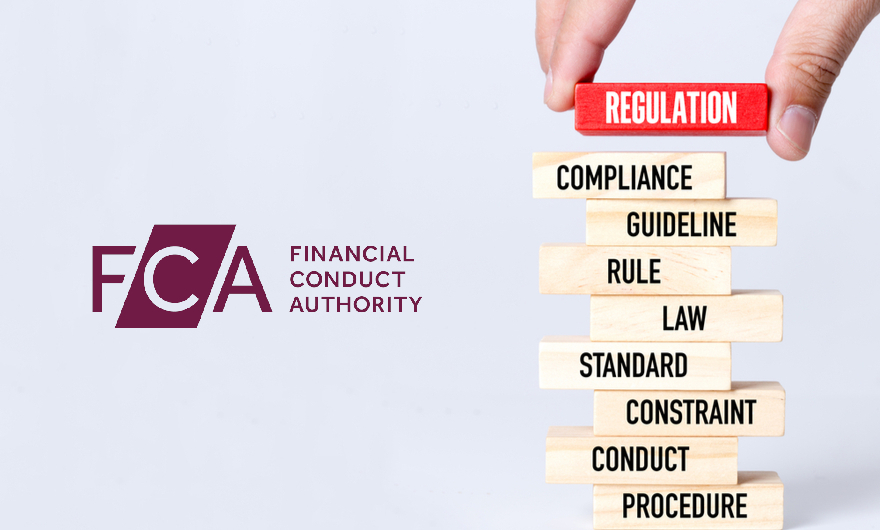
UK Insurance Limited is authorised by the Prudential Regulation Authority and regulated by both the Prudential Regulation Authority and the Financial Conduct Authority. This dual regulatory oversight ensures that the company meets strict standards related to financial stability, risk management, and customer treatment.
Regulatory supervision plays a central role in the UK insurance system. The Prudential Regulation Authority focuses on whether insurers hold sufficient capital and manage risk appropriately, while the Financial Conduct Authority oversees how firms behave in the market and treat customers. UK Insurance Limited operates within both frameworks, which places clear obligations on how it designs, underwrites, and supports insurance policies.
For policyholders, this regulatory structure provides reassurance. It means the company is required to follow established rules on transparency, solvency, and fairness, and it operates under ongoing supervision rather than self-regulation.
Legal Registration and Corporate Transparency
As a UK-incorporated company, UK Insurance Limited is registered with Companies House and is subject to UK company law. This includes obligations to submit regular filings, maintain accurate corporate records, and disclose key information about its operations and governance.
Public registration enhances transparency and accountability. It allows regulators, researchers, and members of the public to verify that the company exists as a legal entity and continues to meet its statutory requirements. While this information is often presented in technical formats elsewhere, its presence supports trust in the company’s legitimacy.
Corporate transparency is especially important in financial services, where customers rely on insurers to honour long-term commitments. UK Insurance Limited’s continued compliance with legal and regulatory requirements reinforces its standing as a formally recognised insurer.
Position Within a Larger Insurance Group
UK Insurance Limited operates as part of a wider insurance group that includes multiple companies performing different functions. Within this structure, some entities focus on consumer-facing brands, others handle claims, legal services, roadside assistance, or technical support, while underwriting companies like UK Insurance Limited carry the insurance risk.
This group-based model allows insurance operations to be more efficient and specialised. Rather than each brand maintaining its own underwriting company, a central insurer can support multiple brands under a single regulatory framework. This approach also simplifies regulatory oversight and risk management.
Understanding this structure helps explain why UK Insurance Limited is often referenced in policy wording even when customers purchase insurance from a different brand name. The company’s role is foundational rather than promotional.
Role as an Underwriter and Risk Carrier

The primary function of UK Insurance Limited is underwriting. In practical terms, underwriting involves assessing risk, setting policy terms, and ensuring that premiums reflect the level of risk being insured. Once a policy is active, the underwriter is responsible for meeting valid claims in accordance with the policy terms.
Although customer service and claims handling may be managed by other group entities, UK Insurance Limited remains legally responsible for the insurance obligation itself. This responsibility is a core reason why underwriting companies are subject to strict regulatory scrutiny.
By focusing on underwriting rather than sales, the company contributes to consistency and reliability across the insurance products it supports. Its role is to ensure that insurance promises made under associated brands are financially and legally sound.
Types of Insurance Activities Supported
UK Insurance Limited is authorised to support non-life insurance activities. These typically include general insurance categories such as motor, home, travel, and other related lines, depending on the specific arrangements within the group.
Rather than marketing these products directly, the company provides the regulatory and financial foundation that allows branded insurers to operate. This behind-the-scenes role means its activities are embedded across multiple insurance offerings rather than tied to a single product line.
This structure allows the company to apply consistent underwriting standards and risk controls while supporting a diverse portfolio of insurance products across the UK market.
Data Protection and Responsible Information Handling
As an insurer, UK Insurance Limited processes sensitive personal and financial information. It operates under UK data protection laws, which set clear rules for how personal data must be collected, stored, used, and retained.
Responsible data handling is essential in insurance, where information such as personal details, claims history, and financial data is routinely processed. The company’s data protection obligations are designed to safeguard this information and ensure that individuals’ rights are respected.
Strong data governance supports both regulatory compliance and public confidence. It also reflects the broader expectations placed on regulated financial firms operating in the UK.
Claims Responsibility and Governance
When UK Insurance Limited underwrites an insurance policy, it holds ultimate responsibility for claims arising from that policy. Even if claims are administered by another entity, the underwriting insurer remains accountable for ensuring claims are handled fairly and in line with policy terms.
This responsibility is supported by internal governance frameworks and regulatory oversight. Claims practices are an important focus for regulators, as they directly affect consumer outcomes. UK Insurance Limited’s role includes ensuring that claims obligations are met and that appropriate standards are maintained.
Clear allocation of responsibility helps protect policyholders and maintains confidence in the insurance system as a whole.
Why UK Insurance Limited Matters in Practice
Although it may not be widely recognised by consumers, UK Insurance Limited plays a meaningful role in the UK insurance market. As an underwriting entity, it supports the delivery of insurance products that millions of people rely on for financial protection.
Its importance lies in its regulatory status, financial responsibility, and integration within a major insurance group. These factors contribute to market stability and ensure that insurance products operate within a controlled and supervised environment.
Understanding companies like UK Insurance Limited helps demystify how insurance works behind the scenes and clarifies the relationship between brand names, policy documents, and legal responsibility.
Conclusion
UK Insurance Limited is a long-established, regulated insurance company that operates primarily as an underwriting entity within a larger UK insurance group. Rather than selling insurance directly to consumers, it provides the legal, financial, and regulatory foundation that supports multiple insurance brands and products.
Authorised and supervised by the UK’s financial regulators, the company plays a key role in ensuring insurance policies meet regulatory standards and that valid claims can be honoured. Its corporate structure, underwriting focus, and regulatory obligations reflect how modern insurance markets operate in practice.
For anyone researching UK Insurance Limited, the company should be understood as a formal insurance entity with responsibility for underwriting and compliance rather than a consumer-facing brand. Its role highlights the importance of regulated insurers working behind the scenes to support the insurance products used across the UK.
You may also read: How the Selling Process Works at London Gold Centre