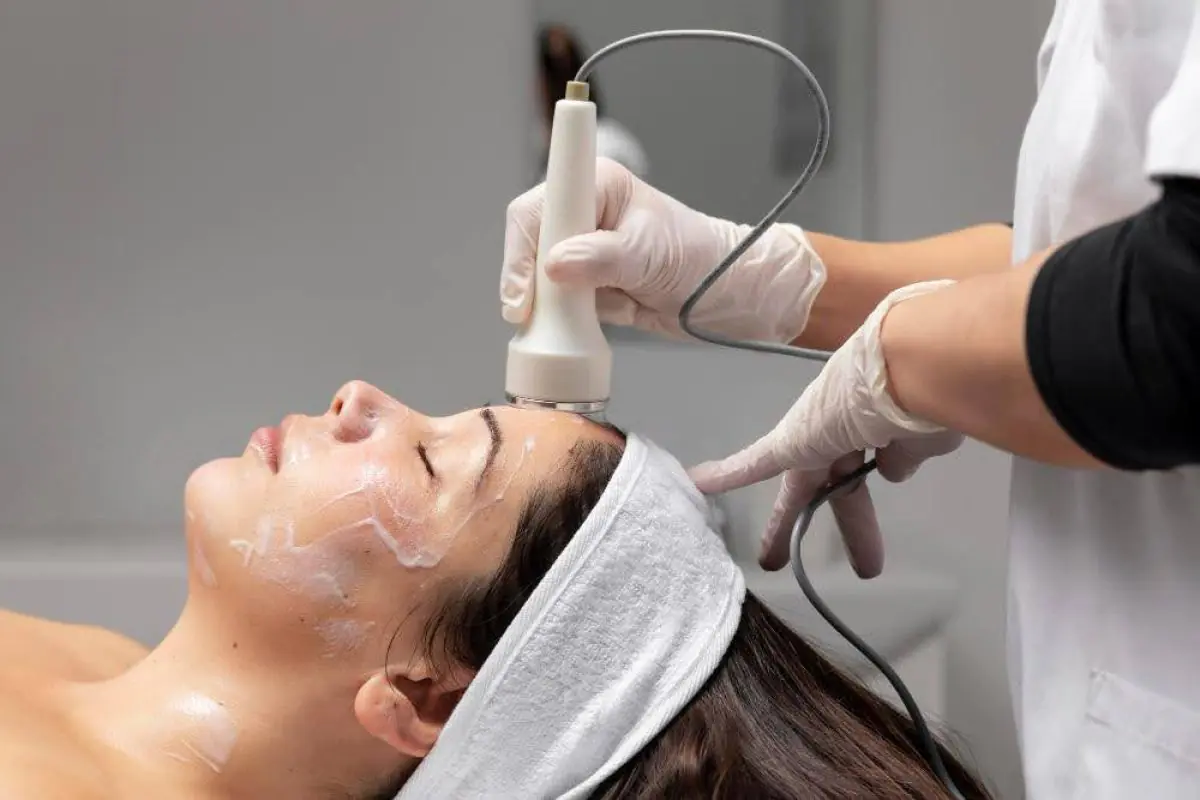
High-Intensity Focused Ultrasound, commonly known as HIFU, has become an increasingly discussed technology in the professional beauty and aesthetics industry. Unlike treatments that rely on invasive procedures, HIFU technology uses focused ultrasound energy to target specific layers beneath the skin.
For beauty professionals and clinics considering new treatment equipment, understanding how HIFU works, what different machines offer, and what factors matter when choosing a device can make the purchasing process much easier.
What Is a HIFU Machine?
A HIFU machine is an aesthetic device that delivers focused ultrasound energy into selected depths of the skin. The energy is designed to reach targeted tissue while keeping the surrounding surface relatively unaffected.
Depending on the device and its intended application, HIFU technology can be used as part of professional facial and body treatments. Practitioners may use it for areas where clients are looking for a firmer or more lifted appearance.
Because different machines operate with different cartridges, depths, frequencies, and settings, the capabilities of one model may not be identical to another.
How Does HIFU Technology Work?
HIFU works by directing concentrated ultrasound energy toward specific treatment depths. When the energy reaches its intended point, it produces a controlled thermal effect beneath the skin.
The purpose of this approach is to work at selected tissue depths without relying on surgical incisions. Treatment parameters can be adjusted according to the machine, treatment area, and professional protocol.
This makes the technology different from surface-level skincare devices. Instead of focusing only on the outer layer of the skin, HIFU is designed around controlled energy delivery at deeper levels.
Different Types of HIFU Machines
The market includes several HIFU configurations, and the terminology can sometimes make comparison confusing. Models may be described using terms such as 7D, 12D, or 22D, while some systems combine HIFU with other technologies.
A compact HIFU device may be suitable for practitioners who need a smaller setup, while larger professional systems can offer additional treatment options and multiple cartridges.
For example, professional HIFU collections can include machines designed for face and body applications as well as multifunction systems. Current options available through UK suppliers include different 7D and 12D systems alongside higher-specification models.
What Should You Consider Before Buying?
Buying an aesthetic machine should involve more than simply looking at the advertised power or number of functions. Several practical factors deserve attention.
Treatment Areas
First, consider which areas you expect to treat. A machine intended mainly for facial treatments may have different requirements from a system designed for both facial and body applications.
Cartridges and Treatment Depths
Cartridges determine how energy is delivered and at what depth. Having access to appropriate cartridges can therefore be important for practitioners who want flexibility across different treatment areas.
Ease of Operation
A machine with a complicated interface can make routine treatments unnecessarily difficult. Clear controls, understandable settings, and practical operating procedures can help practitioners work more consistently.
Training and Safety
Professional equipment should be used according to the manufacturer’s instructions and appropriate training requirements. Understanding treatment parameters, contraindications, equipment maintenance, and safe operating procedures is an important part of using HIFU technology responsibly.
Warranty and Support
After-sales support is another consideration that is sometimes overlooked. Equipment problems can interrupt a clinic’s schedule, so warranty coverage, technical assistance, and access to replacement parts may be worth checking before making a purchase.
Understanding HIFU Machine Price
Cost can vary considerably depending on the machine’s configuration, features, included accessories, and intended professional use. Anyone researching the hifu machine price should compare the complete package rather than focusing only on the initial figure.
For instance, current UK listings range from smaller HIFU devices to more advanced professional systems, with listed prices varying according to the model and configuration.
A lower-priced machine is not automatically the right choice, just as a more expensive system is not necessarily suitable for every practitioner. The important question is whether the machine’s specifications match the treatments, workload, and operating environment where it will be used.
Professional HIFU Equipment and Clinic Requirements
For a professional clinic or beauty business, equipment selection should also take operational requirements into account. Space, electrical requirements, training, maintenance, consumables, and customer treatment protocols can all influence the practicality of a particular machine.
Documentation and compliance information should also be reviewed before purchasing professional aesthetic equipment. Buyers should check the manufacturer’s supplied documentation and understand which certifications and markings apply to the specific model.
Some UK HIFU suppliers list machines with CE and, where applicable, UKCA-related information, while also providing warranty and customer support options.
Final Thoughts
HIFU technology offers beauty professionals another approach to non-invasive aesthetic treatments based on focused ultrasound energy. However, choosing the right machine requires more than comparing model names or prices.
Treatment applications, cartridge options, operating controls, training requirements, support, warranty coverage, and compliance documentation should all be considered before making a purchase. Taking time to compare these details can help practitioners select equipment that fits their actual professional needs rather than simply choosing the machine with the longest feature list.