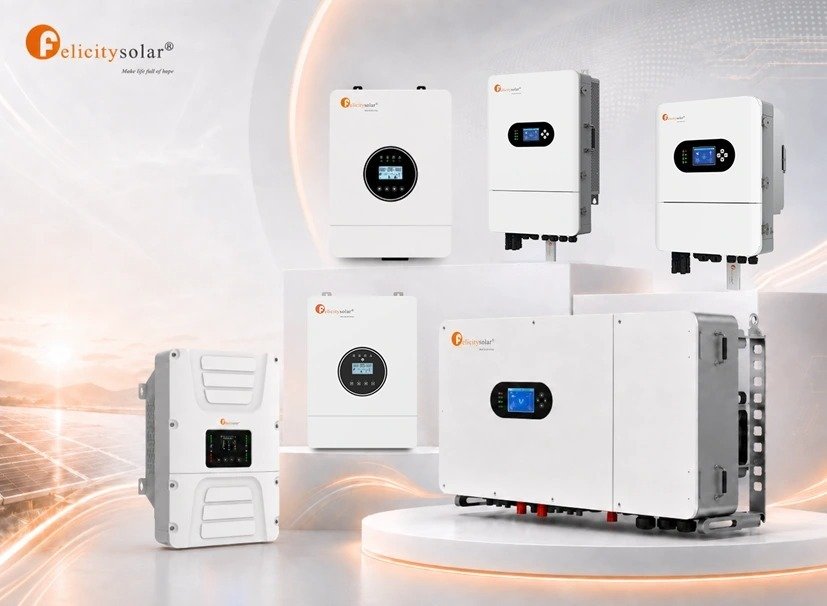
An inverter lithium battery provides energy storage for homes, offices, and commercial facilities that need reliable backup power. It stores electricity and supplies it to a compatible inverter, which converts battery power into usable AC electricity for electrical appliances.
Compared with traditional lead-acid batteries, lithium battery systems can offer higher usable capacity, efficient charging, and a longer service life under suitable operating conditions. Understanding how these batteries work helps users choose a system that matches their power requirements.
How Does an Inverter Lithium Battery Work?
An inverter lithium battery stores electrical energy in rechargeable lithium cells. When the main electricity supply or solar generation is available, a compatible charging system replenishes the battery. When power is needed, the battery supplies DC electricity to the inverter, which converts it into AC power for connected devices.
Many lithium batteries include a battery management system (BMS). This electronic system monitors conditions such as voltage, temperature, and current to help protect the battery against unsafe operating conditions.
The battery, inverter, charger, and BMS must all be compatible for the system to operate correctly.
Key Benefits of Lithium Batteries
Longer Service Life
Lithium batteries can support many charge and discharge cycles, depending on their chemistry, operating temperature, depth of discharge, and charging practices. This can reduce replacement frequency compared with some traditional battery technologies.
Efficient Energy Use
Many lithium battery systems have high round-trip efficiency, meaning a large proportion of the energy stored can be recovered during discharge. Actual efficiency depends on the battery and inverter specifications.
Compact Design
Lithium batteries often provide substantial usable energy relative to their size and weight. This makes them attractive for installations where space is limited.
Faster Charging
Suitable lithium batteries can accept relatively high charging currents, allowing faster charging when the inverter and power source support the required settings.
Low Routine Maintenance
Many lithium battery systems do not require the routine electrolyte checks associated with flooded lead-acid batteries. However, users should still follow the manufacturer’s inspection, installation, and maintenance guidance.
Common Applications
Inverter lithium batteries are used in residential solar installations, home backup systems, small businesses, offices, and selected off-grid applications.
They can support essential equipment such as lights, routers, computers, fans, and appropriately sized appliances. Larger systems may support more demanding loads when the battery’s continuous and peak discharge ratings are sufficient.
How to Choose the Right Battery
Before purchasing an inverter lithium battery, consider the following factors:
- Capacity: Measured in kilowatt-hours (kWh), this indicates how much energy the battery can store.
- Voltage: The battery voltage must match the inverter’s supported battery range.
- Power rating: Check continuous and peak discharge limits for the appliances you plan to operate.
- Battery chemistry: Lithium iron phosphate (LiFePO4) is widely used in stationary storage because of its cycle life and thermal stability characteristics.
- Compatibility: Confirm communication protocols, charging settings, and BMS compatibility with the inverter.
- Warranty: Review warranty conditions, expected cycle life, and available technical support.
Conclusion
An inverter lithium battery can provide efficient energy storage for backup power and solar applications. Selecting the right capacity, voltage, discharge rating, and compatible inverter is essential for reliable performance. Always follow the manufacturer’s installation and safety requirements.