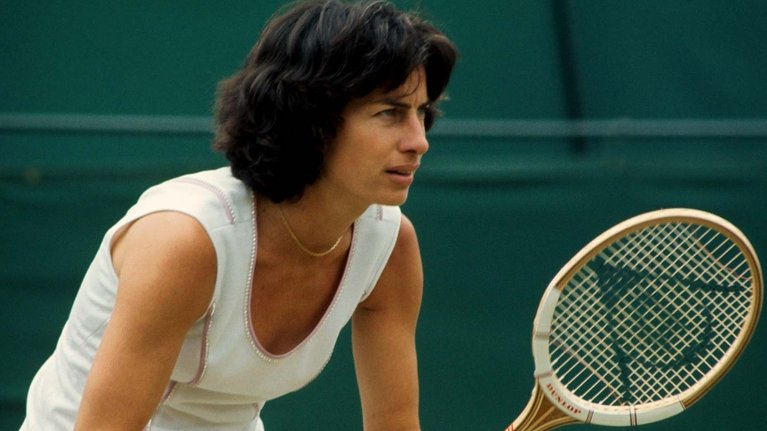
Who is Virginia Wade
Virginia Wade is a former British professional tennis player widely regarded as one of the most important figures in the history of British tennis. She is best known for winning the Wimbledon singles title in 1977, a victory that remains historically significant because she is the last British woman to achieve this milestone. Her career spanned both the amateur and Open Eras, allowing her to compete across a transformative period in professional tennis and build a reputation for consistency, discipline, and competitive strength.
Beyond her Wimbledon success, Virginia Wade established herself as a global tennis figure with victories across all major Grand Slam tournaments. She earned respect not only for her achievements but also for her longevity in the sport, competing at a high level for more than two decades. Over time, she became a symbol of British sporting excellence, frequently referenced in discussions about the country’s greatest tennis players and most memorable sporting moments.
Early Life and Background
Virginia Wade was born on 10 July 1945 in Bournemouth, England, during a period when Britain was recovering from the Second World War. Shortly after her birth, she moved with her family to South Africa, where she was first introduced to tennis. Growing up in a supportive household, she developed discipline and interest in sports at an early age, which later became the foundation of her professional career in tennis.
Her education also played an important role in shaping her personality and focus. She later returned to the United Kingdom and studied at schools in Tunbridge Wells and Bournemouth. She eventually attended the University of Sussex, where she studied mathematics and physics before fully committing to tennis. This combination of academic discipline and athletic training helped her develop a strategic mindset that would later define her playing style on the professional circuit.
Professional Tennis Career Beginnings
Virginia Wade began her professional tennis journey in the 1960s, a period of major transition in the sport as the Open Era was introduced. She quickly made an impact by winning early tournaments and demonstrating strong technical ability, particularly in her serve and baseline game. One of her early breakthroughs came when she won the inaugural British Hard Court Championships in 1968, marking her arrival as a serious competitor on the international stage.
Her career accelerated rapidly after turning professional, and she soon began competing against some of the greatest players of her era. She achieved major success by winning the US Open in 1968 and the Australian Open in 1972, proving her ability to perform on different surfaces. These victories established her as one of the leading female players of her generation and helped her consistently remain among the world’s top-ranked athletes for many years.
Grand Slam Achievements
Virginia Wade’s Grand Slam record reflects her status as one of Britain’s most successful tennis players. She won three major singles titles throughout her career, including the US Open (1968), the Australian Open (1972), and Wimbledon (1977). Each of these victories came against highly competitive opponents, showcasing her adaptability and mental strength in high-pressure matches. Her success across multiple continents highlighted her versatility on grass, clay, and hard courts.
In addition to her singles achievements, Wade also enjoyed significant success in doubles competitions. She won four Grand Slam doubles titles, often partnering with some of the strongest players of her era. Her overall career includes more than 50 professional singles titles, reflecting her consistency and longevity in the sport. These achievements helped her maintain a position among the world’s top-ranked players for over a decade.
Wimbledon 1977 Historic Victory
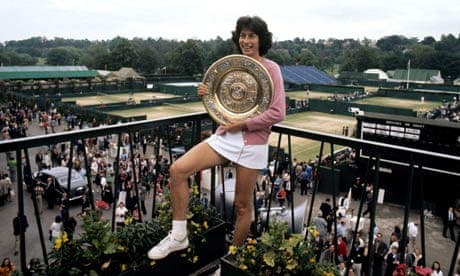
The defining moment of Virginia Wade’s career came in 1977 when she won the Wimbledon singles title. This victory was particularly significant as it coincided with Queen Elizabeth II’s Silver Jubilee celebrations, adding national importance to the event. Wade’s journey to the final included a strong semifinal win against top-ranked opponent Chris Evert, which is still considered one of her most impressive performances.
In the final, she faced Betty Stöve and overcame a difficult start after losing the first set. Demonstrating resilience and tactical intelligence, Wade adjusted her gameplay and ultimately won in three sets. Her victory was celebrated across the United Kingdom and remains one of the most iconic moments in British sporting history. To this day, she remains the last British woman to win the Wimbledon singles championship.
Rankings, Style of Play and Records
Virginia Wade was known for her aggressive yet controlled style of play, built around a strong serve and reliable groundstrokes. She was particularly effective on grass courts, where her tactical awareness and ability to handle pressure gave her a competitive advantage. Her consistency allowed her to remain in the world’s top rankings for over a decade, reflecting her sustained excellence in professional tennis.
At her peak, she reached a career-high ranking of world No. 2 in singles and also achieved No. 1 in doubles. Her record includes participation in Wimbledon for more than 20 editions, making her one of the most experienced competitors in the tournament’s history. These achievements highlight not only her talent but also her durability and commitment to the sport over an extended career.
Life After Retirement
After retiring from professional tennis in the mid-1980s, Virginia Wade transitioned into coaching and sports commentary. She became a respected analyst for major broadcasters, including the BBC, where she provided expert coverage of Wimbledon and other major tennis events. Her deep understanding of the game and clear communication style made her a trusted voice in sports broadcasting.
In recognition of her contributions to tennis, she received several honors, including induction into the International Tennis Hall of Fame in 1989. Over the years, she has also been awarded national honors for her services to sport and charity. Even in retirement, Wade remains an important figure in tennis, often appearing at major tournaments and contributing to the sport’s continued development.
FAQs about Virginia Wade
What is Virginia Wade doing now?
Virginia Wade is currently retired from professional tennis but remains active in the sport through occasional public appearances, commentary, and tennis-related events. She is best known for her long career as a BBC commentator, where she provided expert analysis during Wimbledon coverage for many years. Today, she lives a quieter life between the United Kingdom and the United States, while still being recognized as an important figure in tennis history.
Has Virginia Wade ever married?
Virginia Wade has never been married and does not have children. She has maintained a private personal life throughout her career and after retirement, choosing to focus more on her professional achievements rather than public attention on her relationships. This privacy has been a consistent aspect of her life, and she has rarely discussed personal matters in public interviews.
Which Grand Slam tournaments did Virginia Wade win?
Virginia Wade won three Grand Slam singles titles during her career. These include the US Open in 1968, the Australian Open in 1972, and Wimbledon in 1977. In addition to her singles success, she also won four Grand Slam doubles titles, making her one of the most accomplished British tennis players in both singles and doubles competition.
Why is Virginia Wade famous in British tennis history?
Virginia Wade is famous because she remains the last British woman to win the Wimbledon singles championship, a record that still stands today. Her 1977 Wimbledon victory is considered one of the most iconic moments in British sports history. She is also celebrated for her long career, multiple Grand Slam wins, and consistent presence in the world rankings during a highly competitive era of women’s tennis.
You may also read: Malcolm Hebden: Norris Cole, Coronation Street & Career Facts You Need to Know