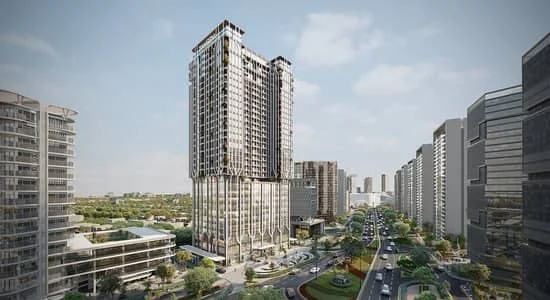
Stand in the lobby of a large build-to-rent block on a weekday afternoon, and you’ll quickly see the pattern: a steady stream of couriers, a concierge desk surrounded by boxes, and residents queuing to ask whether their delivery has arrived.
In buildings designed around convenience and resident experience, parcels have become one of the most visible pressure points. That is why more operators are replacing logbooks and ad hoc storage with a proper parcel management software platform built for the volume modern renters generate.
For build-to-rent, this is not just an operational detail. It shapes how residents feel about where they live.
Build-to-Rent Changed What Residents Expect
Build-to-rent developments are marketed on service. Residents are promised gyms, co-working lounges, rooftop terraces, and on-site teams who make day-to-day living easier. In that context, a lost parcel or a 20-minute wait at the concierge desk feels like a broken promise, not a minor inconvenience.
Unlike traditional private lets, where a landlord might never think about deliveries, build-to-rent operators own the whole experience. If parcel handling goes wrong, residents know exactly who to blame, and it often shows up in reviews and renewal decisions.
Delivery Volumes Have Outgrown the Concierge Desk
Most concierge desks were designed to sign for the occasional parcel and help visitors. They were not designed to receive, store, and release hundreds of items a day across several couriers.
As online shopping, grocery deliveries, and subscription boxes have become routine, the volume arriving at a single block can easily overwhelm a small on-site team. Storage rooms fill up, items are moved to make space, and staff spend a large part of their shift searching for packages rather than helping residents.
A concierge team should be known for helping residents, not for searching shelves.
Where the Old Approach Falls Short
Many buildings still rely on a mix of paper logs, spreadsheets, and memory. That approach struggles in several predictable ways.
| Manual Handling | Tracked Parcel Handling |
| Residents ask in person or by phone | Residents receive an automatic notification on arrival |
| Handwritten logbooks that are hard to search | Every parcel recorded and searchable in seconds |
| No clear storage location | Each item linked to a specific shelf or room |
| Disputes settled by memory | Signature or photo captured at collection |
| Volume and busy periods unknown | Reports show delivery trends over time |
None of these problems come from careless staff. They come from asking people to manage a high-volume process without the right tools.
Notifications Reduce Queues and Frustration
The single biggest improvement for residents is knowing when something has arrived. Once a parcel is scanned in, the resident receives a message by email, text, or app, so they only visit the desk when there is something to collect.
This cuts down repeat inquiries and evens out the flow of residents through the lobby. Reminders for uncollected parcels also help keep storage space under control, which matters in buildings where every square meter is valuable.
Proof of Collection Protects Everyone
Disputes over missing parcels are among the most stressful issues on-site teams deal with. Without a record, a resident’s word is set against a busy staff member’s memory, and the operator often absorbs the cost.
Recording who collected each parcel, and when, changes that conversation. Staff can check the history instantly, residents get a clear answer, and genuine errors can be traced and fixed. Over time, this builds trust between residents and the management team.
Clear records do not just settle disputes. They prevent most of them from starting.
Out-of-Hours Access and Lockers
Many build-to-rent residents work long or irregular hours and cannot always reach the concierge desk while it is staffed. Smart lockers help, but they rarely cover everything. Large items, food deliveries, and peak periods often spill over into staffed storage.
The most practical setups combine both. Every parcel is tracked, whether it goes into a locker or a storage room, so the team keeps a complete view of what is in the building and residents get the flexibility they expect.
Data That Helps Operators Plan
Tracking also gives operators information they rarely had before. They can see how many parcels arrive each day, which periods are busiest, and how long items typically wait before collection.
That data supports practical decisions, such as scheduling extra staff during peak weeks, planning parcel rooms in new developments, or deciding whether lockers would be a worthwhile investment. For portfolios with several buildings, it also allows teams to compare performance across sites.
Parcels as Part of the Resident Experience
Parcel handling might never feature in a build-to-rent brochure, but residents notice it more often than almost any other amenity. A well-run process saves time for both residents and staff, reduces complaints, and supports the service promise these buildings are built on. As delivery volumes keep growing, operators that treat parcels as part of the resident experience, rather than a back-office chore, will be better placed to keep residents happy and renewing.