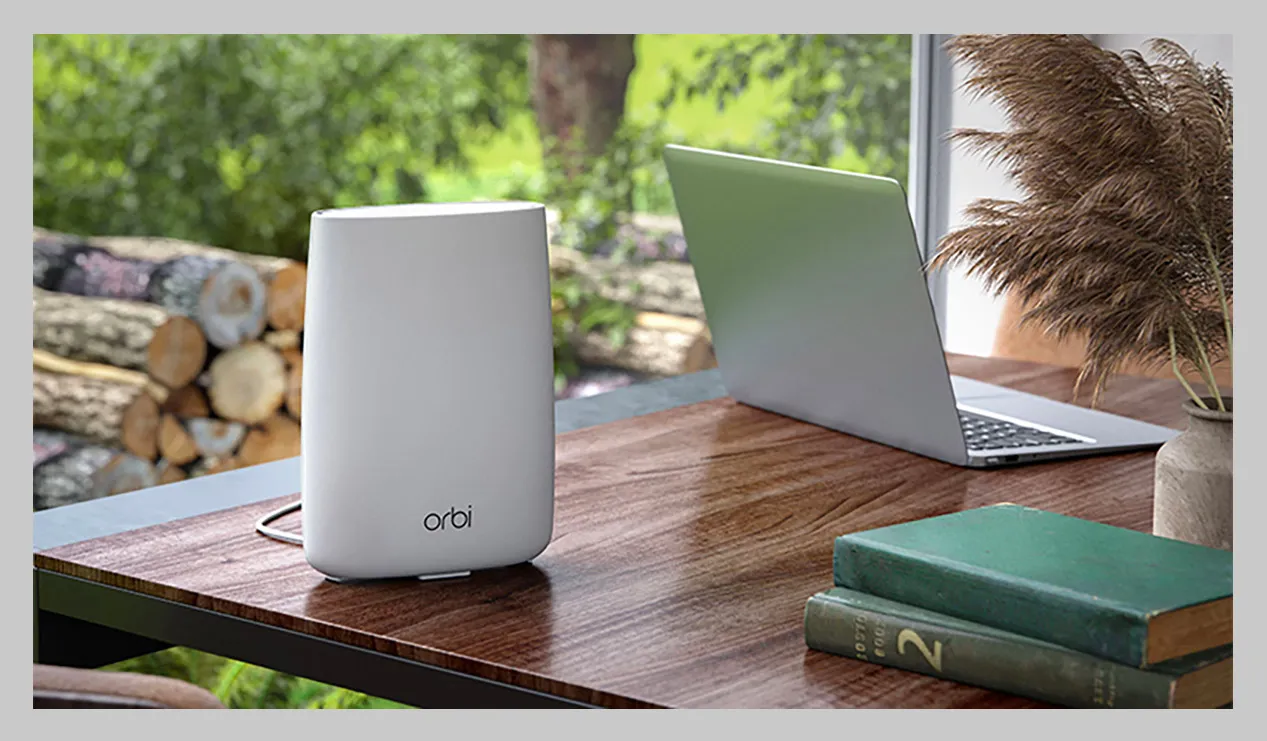
4G home broadband has become one of the most practical internet solutions in the UK, especially in 2025 when fast, flexible connectivity is essential. Whether you are working from home, streaming in HD, or managing smart devices, a reliable connection is no longer optional. For many households—particularly in rural or underserved areas—4G home broadband offers a powerful alternative to fibre or ADSL.
Unlike traditional broadband, 4G home broadband uses mobile networks to deliver internet directly to your home via a SIM-enabled router. This eliminates the need for landlines or engineer visits. In this guide, you’ll learn how it works, compare top UK providers, explore speeds and pricing, and discover whether it’s the right choice for you.
What Is 4G Home Broadband and How Does It Work?
4G home broadband is a wireless internet service that connects your home using the UK’s 4G mobile network. Instead of relying on cables, it uses a router with a SIM card—similar to a smartphone—to receive signal from nearby mobile towers and convert it into WiFi.
The setup process is simple. Once you insert the SIM and power on the router, it connects automatically to the strongest available signal. Within minutes, you’ll have internet access across your home. This makes 4G home broadband ideal for people who need quick installation or live in areas where fibre broadband is limited or unavailable.
Another key advantage is portability. You can take your router with you if you move, making it a flexible solution for renters, students, and temporary accommodation.
4G Home Broadband Speeds Explained
Speed is one of the most important factors when choosing broadband. With 4G home broadband, speeds typically range between 10 Mbps and 100 Mbps, depending on your location, network provider, and signal strength.
In real-world usage:
- Streaming HD content requires around 5–10 Mbps
- Video calls need 3–8 Mbps
- Online gaming benefits from stable latency rather than high speed
While 4G cannot always match full-fibre speeds, it is often significantly faster than ADSL, especially in rural areas. Providers like EE and Three UK offer some of the fastest average speeds due to strong network infrastructure.
Expert Note: Your actual speed depends heavily on signal quality. A strong 4G signal can outperform weak fibre or copper connections.
Best 4G Home Broadband Providers in the UK (2025)
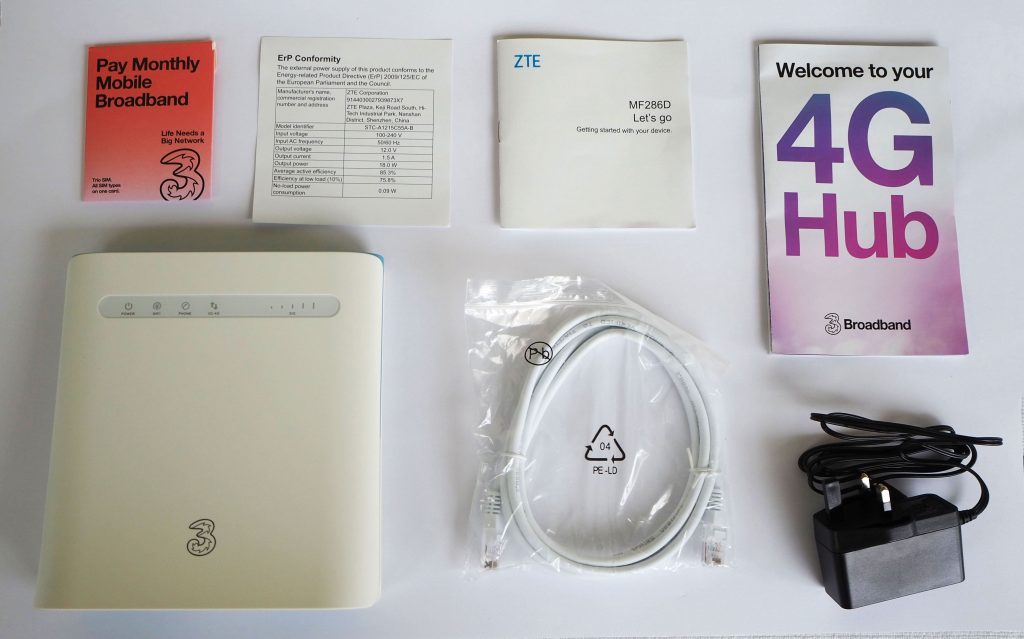
Choosing the right provider is crucial for performance and value. Here are the leading options:
Three UK
Three is known for offering unlimited data plans at competitive prices. Its 4G Home Broadband service is simple, affordable, and ideal for heavy streaming and everyday use.
EE
EE delivers some of the fastest speeds in the UK thanks to its strong mobile network. It’s a premium option, often priced higher but offering excellent reliability.
Vodafone
Vodafone provides a balanced option with good coverage, solid speeds, and competitive pricing. Its GigaCube router is popular for home use.
BT Group
BT offers hybrid and backup 4G broadband solutions, often used alongside fibre connections.
4G Home Broadband Deals and Pricing
In 2025, most 4G home broadband plans fall into two categories:
Contract Plans
- Typically 12–24 months
- Lower monthly cost
- Often include free router
Rolling Monthly Plans
- No long-term commitment
- Slightly higher cost
- Ideal for flexibility
Average pricing:
- £20–£40/month for unlimited data
- SIM-only deals may be cheaper if you already own a router
Many providers now offer truly unlimited data, making 4G home broadband suitable for streaming, work, and multi-device households.
4G vs Fibre vs 5G Broadband
Choosing between broadband types depends on your needs. Here’s a comparison:
| Feature | 4G Broadband | Fibre Broadband | 5G Broadband |
| Speed | 10–100 Mbps | 50–900 Mbps | 100–1000 Mbps |
| Installation | Plug & play | Engineer required | Plug & play |
| Availability | Very high | Medium | Limited |
| Portability | Yes | No | Yes |
4G home broadband offers the best balance of availability, flexibility, and ease of use, while fibre leads in speed and 5G is still expanding.
How to Choose the Best 4G Home Broadband
Selecting the right plan involves more than just price. Consider the following:
Signal Strength
Check coverage maps from providers like EE or Three UK before buying.
Data Allowance
Choose unlimited plans if you stream or work from home regularly.
Router Quality
Look for features like:
- Dual-band WiFi
- External antenna support
- Ethernet ports
Contract Flexibility
Short-term plans are ideal if you’re unsure about performance in your area.
Pro Tip: Test signal strength using your phone before committing to a provider.
Is 4G Home Broadband Good for Streaming and Gaming?
4G home broadband performs well for most everyday activities, but performance depends on signal quality and network congestion.
Streaming
You can comfortably stream Netflix, YouTube, and other platforms in HD. 4K streaming is possible with strong signal and stable speeds.
Gaming
Casual gaming works well, but competitive gaming may be affected by latency. Fibre is still better for ultra-low ping.
Remote Work
Video calls, file uploads, and cloud apps run smoothly on a stable 4G connection.
Expert Note: Peak hours may reduce speeds, especially in busy areas.
Pros and Cons of 4G Home Broadband
✅ Pros
- No installation required
- Works in rural areas
- Portable and flexible
- Competitive pricing
- Unlimited data options
❌ Cons
- Speeds vary by location
- Can be slower than fibre
- Network congestion at peak times
- Signal-dependent performance
How to Improve 4G Home Broadband Speed
To get the best performance:
- Place your router near a window
- Keep it elevated and away from walls
- Use external antennas if needed
- Restart router regularly
- Consider a mesh system for larger homes
Small adjustments can significantly improve speed and stability.
Key Takeaways
- 4G home broadband is a flexible alternative to traditional broadband
- Speeds typically range from 10–100 Mbps
- Providers like Three UK and EE lead the UK market
- Unlimited data plans make it suitable for most households
- Ideal for rural areas, renters, and quick setup needs
Frequently Asked Questions (FAQs)
Is 4G home broadband fast enough for a family?
Yes, most unlimited plans support multiple users streaming, browsing, and working simultaneously.
Can 4G home broadband replace fibre?
In many cases, yes—especially where fibre is slow or unavailable. However, fibre remains faster overall.
Is unlimited 4G really unlimited?
Most providers offer true unlimited data, but fair usage policies may apply during peak times.
What speed can I expect from 4G home broadband?
Typically between 10 Mbps and 100 Mbps, depending on signal strength and location.
Is 4G broadband good for Netflix and streaming?
Yes, it supports HD and even 4K streaming with a strong connection.
Final Thoughts
4G home broadband is no longer just a backup option—it’s a reliable, flexible, and increasingly powerful solution for UK households in 2025. With fast setup, wide availability, and competitive unlimited plans, it meets the needs of remote workers, families, and anyone seeking an alternative to traditional broadband.
If you’re looking for a simple way to get online without installations or long contracts, 4G home broadband is one of the best options available today.
You may also read: The Importance of Bread in Bread Meats Bread’s Burgers