President Donald Trump is facing intense national backlash after a video appeared on his Truth Social account that briefly included racist imagery of former President Barack Obama and former First Lady Michelle Obama. Trump has repeatedly stated that he did not see the offensive portion of the video before it was posted, and refuses to apologize for the controversy — a stance that has drawn sharp criticism from both political opponents and members of his own party.
The incident has quickly become one of the most talked‑about stories in U.S. politics this week, provoking discussion about digital responsibility, racial sensitivity, and political messaging in the digital age.
What Happened: Video Shared, Then Deleted
Late Thursday night, Trump’s Truth Social account published a video roughly 62 seconds long that pushed former President Trump’s claims about alleged fraud in the 2020 election.
Toward the end of the clip, a brief segment — lasting only a second or two — showed Barack and Michelle Obama’s faces superimposed onto the bodies of apes, with the song “The Lion Sleeps Tonight” playing in the background.
The image was widely condemned as invoking a historically racist trope used to dehumanize Black individuals. Within hours, the post drew bipartisan outrage across social media and mainstream news outlets.
About 12 hours after it was posted, the video was deleted from Truth Social amid mounting criticism. A White House official claimed it had been shared “erroneously by a staffer.”
Trump’s Response: ‘I Didn’t See It’

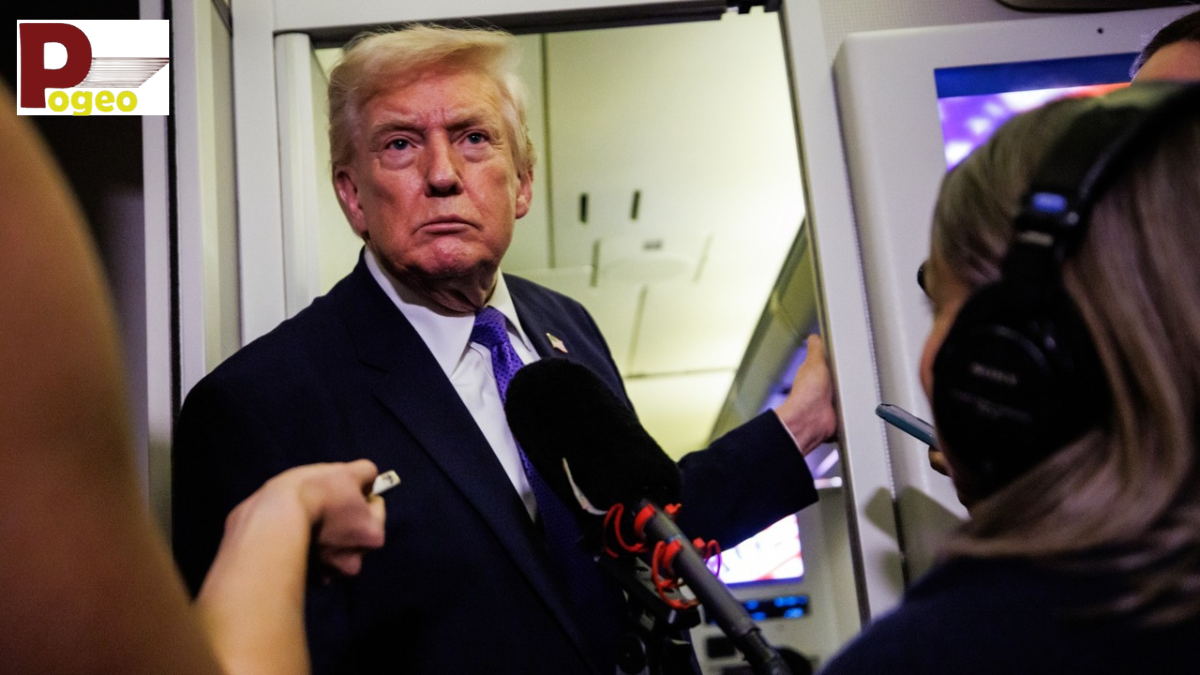
When asked by reporters aboard Air Force One whether he would apologize for the racist imagery, Trump said he “didn’t make a mistake” and that he did not see the racist portion of the clip before it was shared.
Trump explained that he watched only the first part of the video, which focused on his claims about voter fraud, and passed it along to staff for publication. He maintained that he assumed the rest of the clip had been reviewed by others.
“I just looked at the first part… Nobody knew that that was in the end,” he said, adding that a staffer should have caught the offensive imagery.
Pressed on whether he condemned the racist segment, Trump replied, “Of course I do”, but reiterated that he would not apologize.
Initial White House Reaction: Defense Then Retraction
In the immediate aftermath of the post, White House Press Secretary Karoline Leavitt defended the video, describing the clip as simply part of an “internet meme” portraying various political figures in a cartoonish style inspired by The Lion King.
Leavitt dismissed early criticism as “fake outrage,” asserting that the video was meant to be humorous rather than offensive.
However, as bipartisan condemnation grew — even from some of Trump’s closest allies — the White House retracted that defense. Officials later said the video was posted in error and removed it from Truth Social.
Bipartisan Backlash and Political Response
The video was condemned by lawmakers from both parties.
Republican Senator Tim Scott, the Senate’s only Black Republican, labeled the imagery “the most racist thing I’ve seen out of this White House” and called for its removal.
Other Republicans, including Representative Mike Lawler, criticized the post as inappropriate and offensive, urging Trump to take responsibility.
Democratic leaders were equally vocal. House Minority Leader Hakeem Jeffries and California Governor Gavin Newsom decried the imagery and demanded a public apology.
Civil rights groups also weighed in, warning that such imagery, even if brief, taps into a history of racist caricatures that have long been used to dehumanize Black Americans.
A Deeply Offensive Trope
Depicting Black people as animals has a long and painful history in American culture and media. Critics said that even a brief appearance of such imagery can evoke harmful associations that have contributed to systemic racism.
Because Barack and Michelle Obama were the first Black president and first lady in U.S. history, the imagery was seen as especially provocative and tone‑deaf, particularly during Black History Month.
Experts on racial representation said that political figures, especially those in the highest offices, have a responsibility to avoid sharing content that can perpetuate racial stereotypes, even indirectly.
Impact on Political Messaging and Trust
This controversy has sparked broader debate about how political leaders use social media and the importance of oversight and moderation.
Analysts noted that in an era when content can go viral within minutes, the margin for error is extremely small — and even accidental postings can have long‑lasting effects on public trust.
Some experts also pointed to Trump’s history of racially charged statements and controversies, suggesting this latest incident could further erode confidence among minority voters.
Others emphasized that how political figures respond to backlash — whether with accountability or deflection — shapes public perception in ways that extend beyond any single post.
Social Media and Platform Accountability
Observers also questioned whether Truth Social, the platform founded by Trump and popular with his supporters, has adequate measures to prevent offensive content from being published under high‑profile accounts.
The fact that the video remained live for about 12 hours before deletion highlighted challenges around content moderation and the potential reputational consequences for platforms used by national leaders.
Some digital rights advocates argued that political platforms should enforce stronger safeguards, especially when posts could inflame racial tensions.
Conclusion
The controversy over the racist video clip underscores the complex intersection between social media, political communication, and racial sensitivity.
Even when a leader claims he “didn’t see” offensive content, the broader impact on public discourse and community trust can be profound. The episode serves as a reminder that political figures and their teams must exercise care and oversight when sharing material that reaches millions of followers.
Whether this incident will have long‑term effects on Trump’s political standing or social media strategies remains to be seen, but it has already become a defining moment in discussions about digital leadership and responsibility.
FAQs
What did the video shared by Trump contain?
The Truth Social post included a brief clip showing Barack Obama and Michelle Obama’s faces on the bodies of apes, a historically racist trope, at the end of a 62‑second video promoting election fraud claims.
Why did Trump say he didn’t see the racist portion?
Trump said he only watched the beginning of the video, which focused on voter fraud, and did not view the later imagery before it was posted.
How long was the video online?
The post stayed on Truth Social for about 12 hours before being removed amid strong bipartisan backlash and calls for its deletion.
Did Trump apologize for the clip?
No. Trump refused to apologize, saying he “didn’t make a mistake,” although he said he condemned the offensive imagery.
What were Republicans’ reactions?
Some Republicans, including Senator Tim Scott, openly condemned the post as racist, while others focused on defending Trump’s broader messaging before the offensive clip appeared.
You may also read:How Query Strings Work in Programming