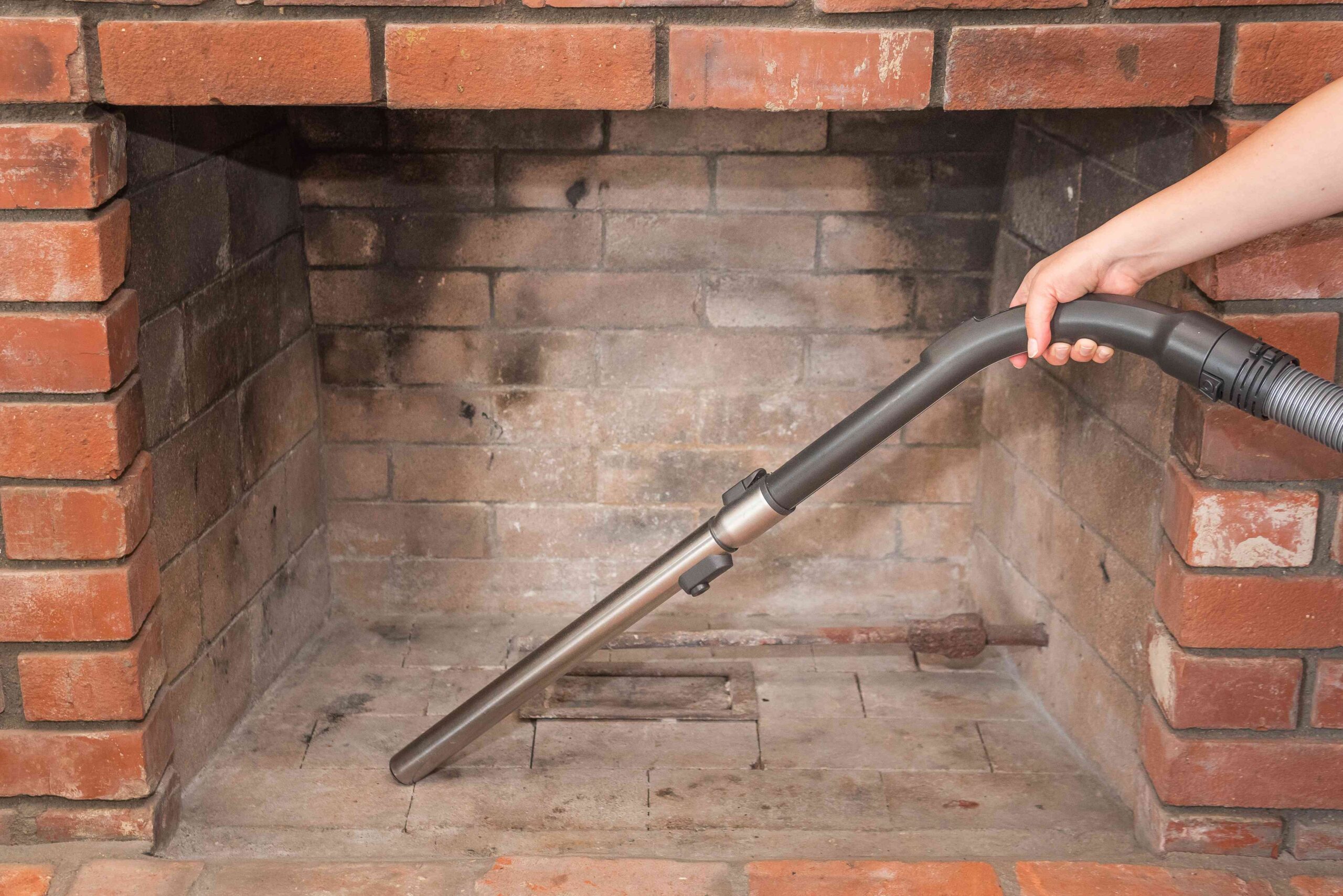
A brick fireplace is often the heart of a home, offering warmth, charm, and a cozy atmosphere during colder months. However, over time, soot, ash, and smoke residue can build up on the surface, leaving the brick looking dull and stained. Understanding how to clean brick fireplace surfaces properly is essential not only for visual appeal but also for maintaining a healthier indoor environment.
When you learn how to clean brick fireplace areas effectively, you extend the life of the brick and keep your living space looking fresh. This guide walks you through practical, safe, and easy cleaning methods using both natural and stronger solutions. Whether your fireplace has light dust or heavy soot buildup, the right approach can make a noticeable difference in restoring its original beauty.
Why Cleaning Brick Fireplaces Is Important
Brick is naturally porous, which means it easily absorbs dirt, soot, and smoke particles. If these substances are not removed regularly, they can penetrate deep into the brick, causing long-term discoloration and damage. Knowing how to clean brick fireplace surfaces helps prevent these issues and preserves the natural texture and color of the material over time.
In addition to aesthetics, a dirty fireplace can affect indoor air quality. Soot particles and residue can circulate in the air, especially when the fireplace is in use. Regular maintenance reduces the risk of unpleasant odors and airborne particles, making your home safer and more comfortable. Keeping your fireplace clean also ensures it remains an attractive focal point in your living space.
Tools and Materials You Will Need
Before starting the cleaning process, gathering the right tools and materials will make your work more efficient and effective. Basic supplies include a bucket, sponge, spray bottle, protective gloves, and a nylon-bristled brush. These tools help you scrub the brick gently without causing damage, which is crucial when learning how to clean brick fireplace surfaces correctly.
For cleaning solutions, you can choose from natural options like vinegar, baking soda, and dish soap. These are safe, affordable, and effective for most cleaning tasks. For tougher stains, you may need stronger cleaners such as trisodium phosphate. Selecting the right materials ensures you can handle different levels of dirt while protecting the integrity of the brick.
How to Clean Brick Fireplace Step by Step

The first step in how to clean brick fireplace areas is preparation. Begin by removing any loose ash, dust, or debris using a vacuum or a soft brush. Cover the surrounding area with a cloth or plastic sheet to prevent dirt from spreading. Proper preparation makes the cleaning process smoother and helps you achieve better results without unnecessary mess.
Next, lightly dampen the brick surface with water to prevent it from absorbing too much cleaning solution. Apply a mixture of dish soap and warm water or a vinegar solution, then gently scrub using a nylon brush. Work from top to bottom to avoid streaks, and rinse thoroughly with clean water. Allow the brick to dry completely before using the fireplace again.
Best Way to Clean Brick Fireplace Based on Stains
Different types of stains require different cleaning approaches, so identifying the type of dirt is important. Light dirt and dust can usually be removed with a simple soap and water solution, while moderate soot stains respond well to vinegar-based cleaners. Understanding these differences helps you choose the most effective method when deciding how to clean brick fireplace surfaces.
For tougher stains, a paste made from baking soda and water can be applied directly to the affected area. Let it sit for a few minutes before scrubbing gently. In cases of heavy buildup, stronger cleaning agents may be necessary, but they should always be used with caution. Using the correct technique ensures efficient cleaning without damaging the brick.
Natural Versus Chemical Cleaning Methods
Natural cleaning methods are a popular choice for homeowners who prefer safe and eco-friendly solutions. Ingredients like vinegar and baking soda are effective for breaking down dirt and soot without introducing harmful chemicals into your home. These methods are ideal for regular maintenance and light cleaning tasks when learning how to clean brick fireplace surfaces.
Chemical cleaners, on the other hand, are designed for more stubborn stains and deep cleaning. While they can provide faster results, they must be handled carefully to avoid damaging the brick or causing health issues. Choosing between natural and chemical methods depends on the severity of the stains and your comfort level with stronger cleaning agents.
How to Clean Other Brick Surfaces
The techniques used for fireplaces can also be applied to other brick surfaces throughout your home. Interior brick walls require gentle cleaning to maintain their appearance, while exterior brick surfaces may need more thorough washing due to exposure to weather and environmental elements. Understanding these differences expands your overall cleaning skills.
Brick floors, patios, and pavers often accumulate dirt, moss, and stains over time. Using similar cleaning solutions with slight adjustments can help restore these surfaces effectively. Learning how to clean brick fireplace areas gives you a foundation for maintaining all types of brick surfaces, making your home look clean and well cared for inside and out.
Common Mistakes to Avoid When Cleaning Brick
One of the most common mistakes is using metal brushes or overly abrasive tools, which can scratch and damage the brick surface. Always use a soft or nylon-bristled brush to clean effectively without harming the material. Avoiding such mistakes is essential when mastering how to clean brick fireplace surfaces safely and efficiently.
Another frequent issue is using too much water or harsh chemicals. Excess moisture can weaken the brick over time, while strong acids may cause discoloration or deterioration. It is important to follow proper cleaning techniques and use the right amount of solution to achieve the best results without compromising the structure of the brick.
Pro Tips to Keep Brick Fireplace Clean Longer
Maintaining a clean fireplace requires consistency and attention to detail. Regular light cleaning prevents the buildup of soot and dirt, reducing the need for intensive scrubbing later. By incorporating simple maintenance habits, you can keep your fireplace looking fresh and inviting throughout the year.
Applying a sealant after cleaning is another effective way to protect the brick from future stains. Proper ventilation and quick spot cleaning also help maintain cleanliness. These small but effective strategies make it easier to manage how to clean brick fireplace surfaces and ensure long-lasting results with minimal effort.
Conclusion
Cleaning your fireplace does not have to be a difficult or time-consuming task. By understanding how to clean brick fireplace surfaces using the right tools and techniques, you can maintain both the beauty and functionality of your fireplace. Regular care ensures that your brick remains in excellent condition for years to come.
With consistent maintenance and the proper approach, your fireplace can continue to serve as a warm and welcoming centerpiece in your home. Taking the time to clean and care for it not only enhances its appearance but also contributes to a healthier and more comfortable living environment.
FAQs
What is the best way to clean a brick fireplace
The best method typically involves using a mixture of dish soap and warm water for light cleaning, while tougher stains may require vinegar or baking soda solutions for effective results.
Can vinegar damage brick
Vinegar is generally safe when diluted properly, but excessive or repeated use on older brick may cause slight wear over time.
How do you remove black soot from brick
Black soot can be removed using a baking soda paste or vinegar solution, combined with gentle scrubbing using a soft brush.
Is it safe to use strong chemicals on brick
Strong chemicals can be effective for deep cleaning but should be used carefully with proper safety precautions to avoid damage.
How often should a brick fireplace be cleaned
Light cleaning should be done regularly, while deep cleaning can be performed a few times a year depending on usage.
What is the safest natural cleaner for brick
Baking soda and vinegar are among the safest and most effective natural cleaning solutions for brick surfaces.
Can brick be sealed after cleaning
Yes, applying a sealant helps protect the brick from future stains and makes ongoing maintenance easier.
How long does brick take to dry after cleaning
Brick typically takes between 24 and 48 hours to dry completely, depending on ventilation and environmental conditions.
You may also read: Removing Fresh Oil Stains from Driveway