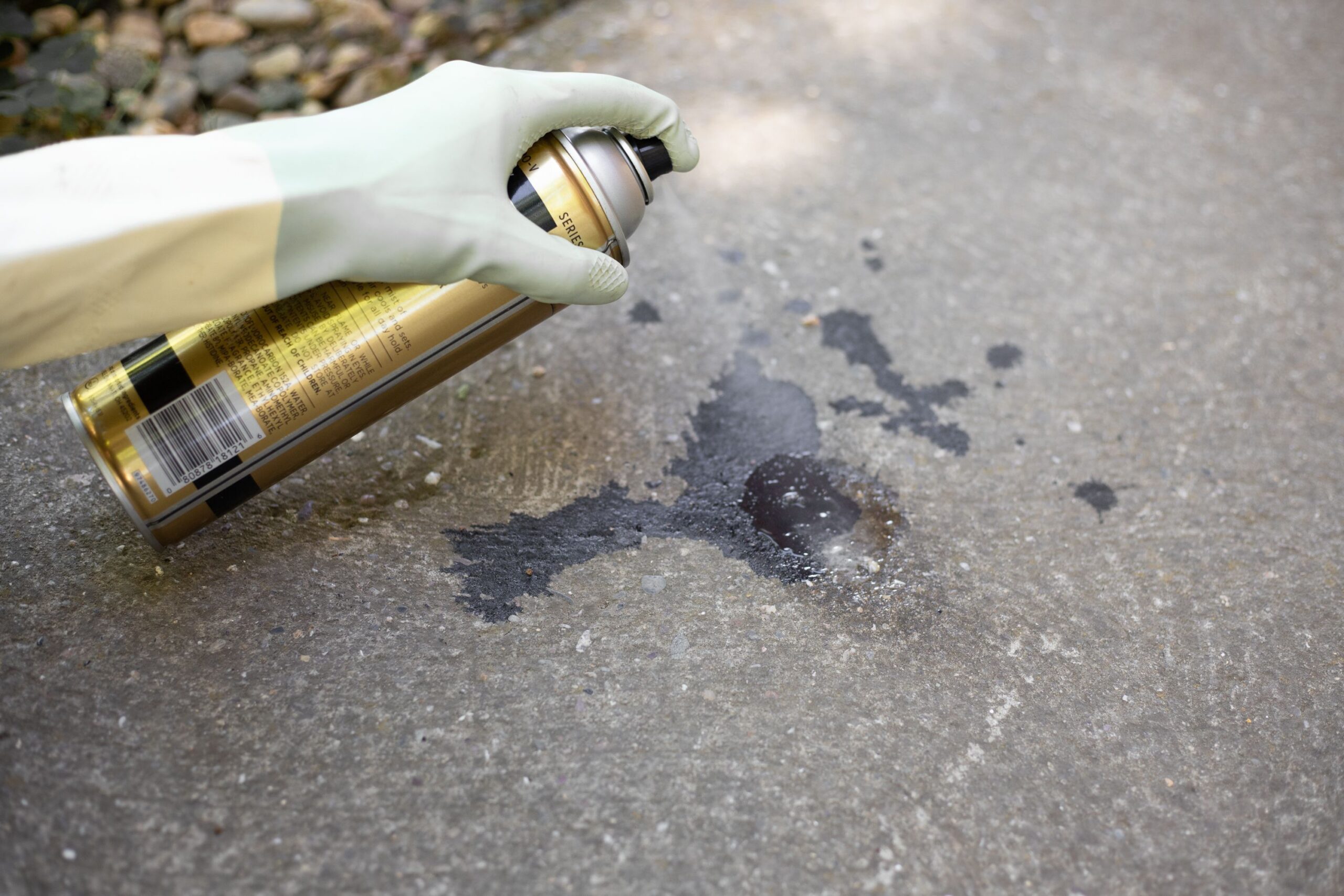
Oil stains on a driveway can quickly ruin the clean and polished look of your home’s exterior. Whether caused by a leaking car engine or accidental spills, these stains tend to sink deep into surfaces like concrete and asphalt. Understanding how to remove oil stains from driveway areas is essential for maintaining both appearance and durability over time.
Many homeowners struggle with stubborn stains that seem impossible to eliminate. However, with the right techniques and a bit of patience, even tough stains can be treated effectively. This guide provides practical and easy-to-follow methods that help you restore your driveway while saving time and effort.
Understanding Oil Stains on Driveways
Oil stains are more than just surface-level marks; they penetrate porous materials and cling to them tightly. Concrete driveways are especially vulnerable because they absorb oil quickly, making stains deeper and more visible. Asphalt, while less porous, still requires careful handling to avoid damage during cleaning.
When learning how to remove oil stains from driveway surfaces, it is important to identify the age of the stain. Fresh stains are easier to treat because they sit on the surface, while older stains require deeper cleaning methods. Recognizing this difference allows you to choose the most effective cleaning approach.
Tools and Materials You Will Need
Before starting the cleaning process, gathering the right tools and materials can make the task much easier. Common household items like baking soda, dish soap, and sand are highly effective for absorbing and breaking down oil. For more stubborn stains, commercial degreasers and specialized cleaners can provide better results.
You will also need basic tools such as a stiff-bristled brush, a bucket, and a water source for rinsing. Safety gear like gloves and protective eyewear is recommended when working with chemicals. Having everything prepared ensures a smoother process when tackling how to remove oil stains from driveway surfaces efficiently.
Removing Fresh Oil Stains from Driveway
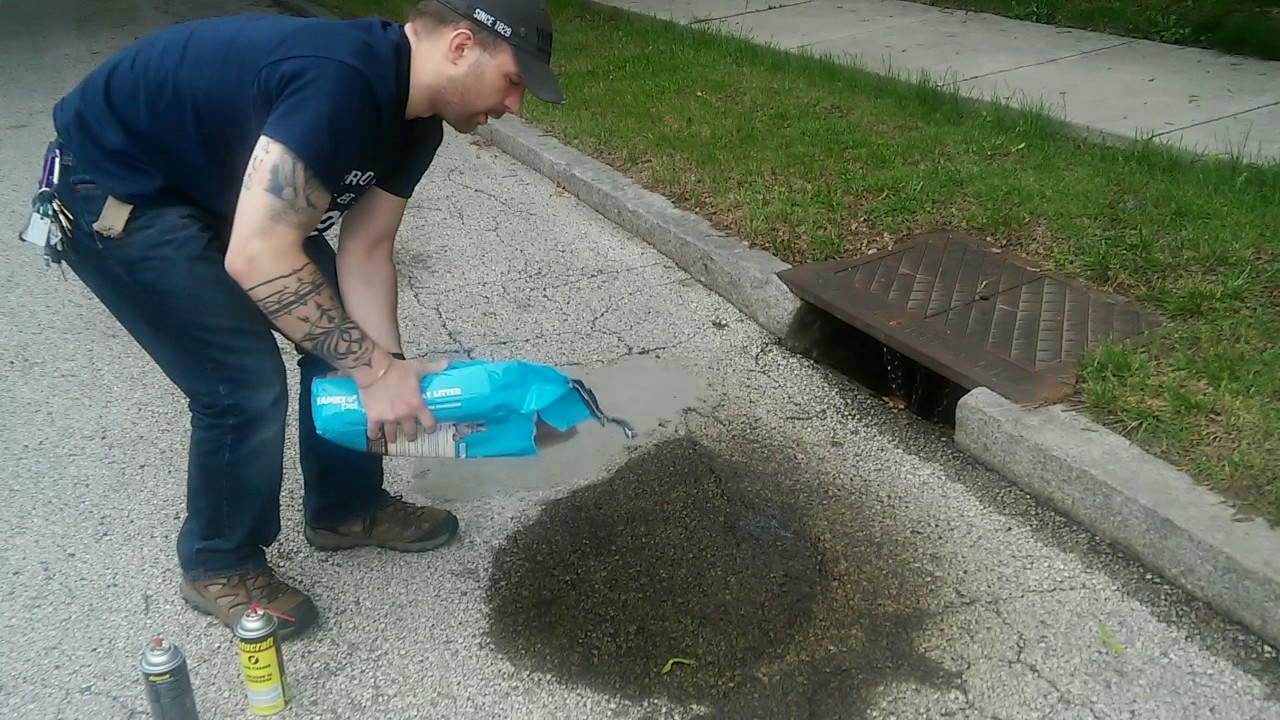
Fresh oil stains are the easiest to deal with because they have not yet penetrated deeply into the surface. Start by covering the stain with an absorbent material such as kitty litter or baking soda. Allow it to sit for several hours or overnight so it can soak up as much oil as possible.
Once the oil is absorbed, sweep away the material and apply a mixture of dish soap and warm water. Scrub the area thoroughly using a stiff brush to break down any remaining residue. This simple method is highly effective for anyone looking for a quick solution to how to remove oil stains from driveway areas.
Effective Methods for Set-In Oil Stains
Set-in oil stains require stronger cleaning techniques and a bit more effort. One of the most effective solutions is using a commercial degreaser designed specifically for concrete or asphalt surfaces. Apply the product generously, allow it to sit for a while, and then scrub vigorously before rinsing.
Another powerful method involves using a poultice, which is a paste made from an absorbent material mixed with a solvent. This paste is applied over the stain and left to dry, drawing oil out of the surface. These techniques are especially useful when dealing with stubborn stains that resist basic cleaning methods.
Removing Old Oil Stains from Concrete
Old oil stains can be challenging because they have seeped deep into the concrete over time. Removing them often requires repeated treatments and a combination of cleaning methods. Applying a strong degreaser multiple times can gradually break down the stain and improve the surface appearance.
In some cases, pressure washing can help remove loosened oil particles after treatment. Patience is essential, as older stains rarely disappear after a single attempt. For those serious about how to remove oil stains from driveway surfaces, persistence and consistency are key to achieving noticeable results.
Cleaning Oil Stains from Asphalt Driveways
Asphalt driveways require a gentler approach compared to concrete because they can be damaged by harsh chemicals. Mild detergents or eco-friendly degreasers are the safest options for cleaning asphalt surfaces without causing deterioration. Gentle scrubbing is recommended to avoid damaging the material.
It is also important to rinse thoroughly and avoid leaving cleaning agents on the surface for extended periods. Proper care ensures that the driveway remains intact while still removing stains effectively. Understanding these differences helps in safely applying methods for how to remove oil stains from driveway surfaces.
Preventing Future Oil Stains
Preventing oil stains is much easier than removing them after they have formed. Regularly checking your vehicle for leaks can help avoid spills that lead to stains. Using protective mats or drip trays under parked cars is another effective way to keep your driveway clean.
Sealing your driveway surface is also a smart investment, as it reduces absorption and makes cleaning easier in the future. These preventative measures not only save time but also reduce the need to repeatedly search for solutions on how to remove oil stains from driveway areas.
Removing Oil Stains from Clothes and Other Surfaces
Oil stains are not limited to driveways and can also affect clothing and other surfaces. When dealing with fabrics, applying dish soap directly to the stain can help break down grease before washing. Baking soda can also be used to absorb excess oil from clothing.
For older or stubborn stains, repeating the cleaning process or using specialized stain removers may be necessary. Understanding how to treat oil stains on different surfaces ensures better results and helps you manage spills effectively wherever they occur.
Common Mistakes to Avoid
One of the most common mistakes is allowing oil stains to sit for too long before attempting to clean them. The longer the oil remains, the deeper it penetrates into the surface, making removal more difficult. Acting quickly is always the best strategy for effective cleaning.
Another mistake is using the wrong cleaning products for the surface type. Strong chemicals may damage asphalt, while weak cleaners may not work effectively on concrete. Choosing the right method is crucial when learning how to remove oil stains from driveway surfaces successfully.
Conclusion
Oil stains on driveways can be frustrating, but they are not impossible to remove with the right approach. By understanding the nature of the stain and using appropriate cleaning techniques, you can restore the appearance of your driveway. Consistent effort and the right tools can make a significant difference.
Following the methods outlined in this guide will help you tackle both fresh and old stains with confidence. With proper maintenance and quick action, you can keep your driveway clean and prevent future damage, ensuring a neat and attractive outdoor space.
FAQs
How to remove oil stains from driveway quickly?
The fastest way is to absorb the oil using baking soda or kitty litter and then scrub with dish soap and warm water. This method works best on fresh stains.
Can old oil stains be removed completely?
Old stains can be reduced significantly, but complete removal may require repeated treatments and stronger cleaning agents.
What is the best cleaner for oil stains on concrete?
Commercial degreasers are highly effective because they are designed to penetrate porous surfaces and break down oil.
Does baking soda remove oil stains effectively?
Yes, baking soda is an excellent absorbent and works well for lifting fresh oil stains when used properly.
Is pressure washing safe for driveways?
Pressure washing is safe for concrete driveways but should be used carefully on asphalt to avoid damage.
You may also read: Relationship with Dr Michelle Oakley