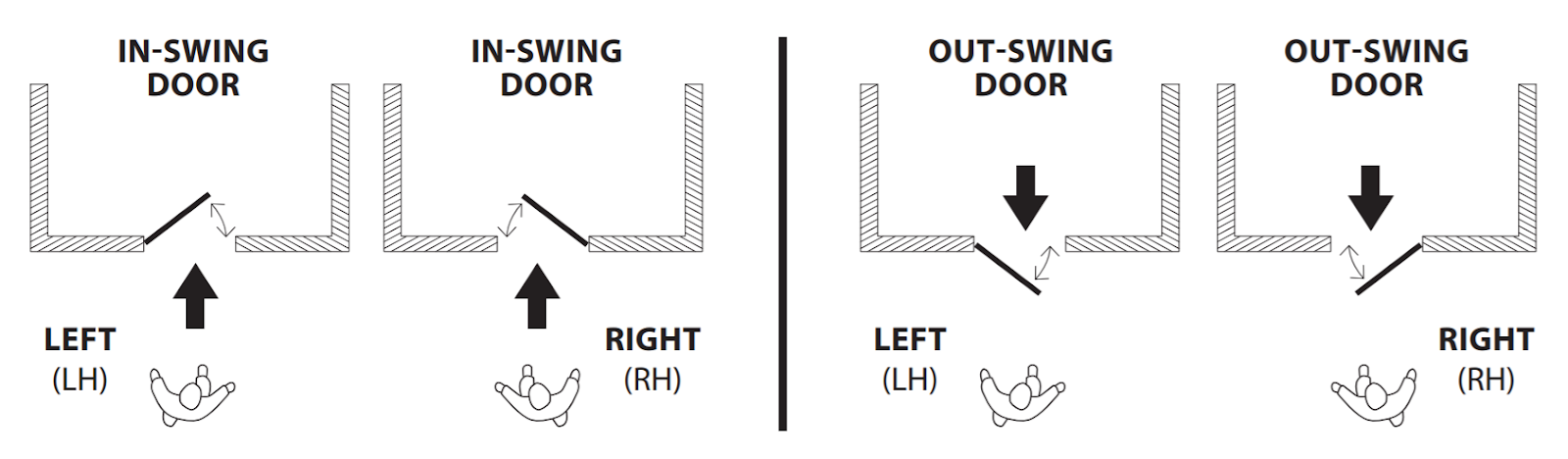
Door swing refers to the direction a door opens and the location of its hinges. This simple detail plays a major role in home design, safety, and comfort. Many homeowners overlook this feature until they install a new door that opens the wrong way and blocks furniture, walls, or walkways. Learning how to determine door swing correctly can help avoid expensive installation mistakes and improve the overall functionality of any room.
Understanding door swing is also important when ordering replacement doors, planning renovations, or reading architectural floor plans. Whether you are working with a standard bedroom door, a shower door swing system, or a double door swing entryway, proper door orientation matters. Once you understand the basics, identifying door swing direction becomes a quick and easy process that helps create a more organized and comfortable living space.
How to Determine Door Swing Correctly
The easiest way to learn How to Determine Door Swing is by using the hinge method. Stand with your back facing the hinges and observe the direction the door opens. If the door swings toward your right side, it is considered a right-hand door swing. If the door opens toward your left side, it is classified as a left-hand door swing. This simple method is commonly used by contractors and door manufacturers around the world.
Another reliable approach involves checking exterior doors from outside the building. Exterior doors are often classified as inswing or outswing models depending on the direction they move. Inswing doors open into the room or building, while outswing doors move outward. Understanding how to determine door swing using these techniques makes selecting replacement doors much easier and helps homeowners avoid incorrect purchases that can delay installation projects.
Why Door Swing Direction Matters
Door swing direction affects more than appearance because it directly influences safety, convenience, and room efficiency. A poorly placed door can interfere with furniture placement, limit hallway movement, or create hazards during emergencies. This is why many commercial properties follow strict door swing direction code requirements to ensure smooth evacuation and accessibility. Even residential homes benefit greatly from choosing the correct swing orientation for each room.
When homeowners understand how to determine door swing properly, they can create better traffic flow and improve room usability. Bedroom doors usually swing inward to maximize hallway space, while commercial exits often open outward for safety reasons. Choosing the ideal swing direction also improves comfort in bathrooms, kitchens, and closets. Proper door placement creates a more open environment and helps every area feel balanced and functional.
Common Types of Door Swings
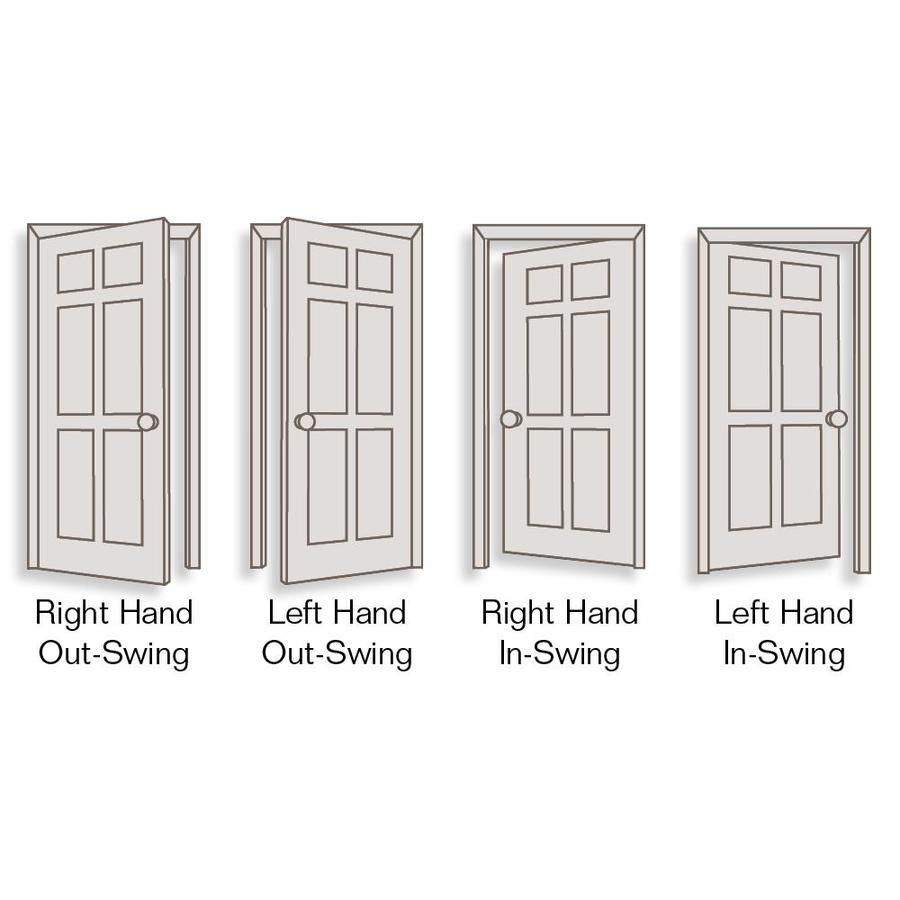
There are several types of door swings designed for different purposes and room layouts. A double door swing setup includes two connected doors that open from the center and are commonly used in entryways, patios, and conference rooms. These doors create a spacious appearance and allow wider access for moving furniture or accommodating larger groups of people. Correctly identifying swing direction is especially important when installing double doors.
Specialty door products also depend heavily on proper swing orientation. For example, a microwave with right hand door swing may fit better in smaller kitchens with limited counter space. Shower door swing options are equally important because the opening direction affects both safety and convenience. Learning how to determine door swing allows homeowners to choose practical and efficient door systems that match the layout and purpose of each space.
Door Swing Accessories and Space Solutions
Modern homes often include accessories that improve door functionality and protect surrounding walls or furniture. A door swing limiter is one of the most popular solutions because it prevents doors from opening too far and causing damage. These devices are especially useful in compact apartments, bathrooms, and offices where every inch of space matters. Properly installed swing limiters can also reduce noise and increase the lifespan of door hardware.
Other innovative products are designed to maximize convenience in small or crowded spaces. A door swing curtain pole allows curtains to move naturally with the opening door, making it ideal for patio entrances and balcony doors. Families may also install a door swing for baby or a door swing for toddlers as indoor play equipment. These specialty swings must always be securely mounted and regularly inspected to ensure child safety and long-term durability.
How Door Swing Appears on Building Plans
Architects and contractors use specific symbols to show door swing direction on blueprints and floor plans. Curved arcs are typically drawn to represent the path the door follows when opening. Learning how to show door swing in elevation drawings helps homeowners and builders communicate more effectively during construction or renovation projects. Understanding these symbols can prevent misunderstandings that may lead to incorrect installations or costly design changes later.
Knowing how to determine door swing from architectural drawings is especially valuable for remodeling projects. Residential and commercial blueprints often include several door types with different swing directions. By understanding these layouts, homeowners can plan furniture placement, traffic flow, and room accessibility more efficiently. Accurate interpretation of building plans ensures every door functions correctly and complements the overall design of the property.
Common Door Swing Problems and Solutions
One of the most common issues homeowners face is installing a door that swings in the wrong direction. This mistake can create blocked pathways, limited furniture space, and awkward room layouts. Fortunately, many doors can be rehung to reverse their swing direction. Professional installers can usually adjust the hinges, latch, and frame to create a more functional setup that better suits the surrounding environment.
Doors can also develop performance issues over time due to loose hinges, warped frames, or uneven flooring. These problems may cause doors to drag, stick, or close improperly. Understanding how to determine door swing helps homeowners identify the source of these issues more quickly and choose the best repair solution. Regular maintenance and proper installation techniques can significantly extend the lifespan and reliability of any door system.
Choosing the Best Door Swing for Your Home
Selecting the correct door swing requires careful consideration of room layout, safety, and daily convenience. Interior doors should open in ways that maximize floor space and avoid blocking furniture or walkways. Exterior doors should provide security while allowing smooth access during emergencies. Taking time to evaluate each room individually helps homeowners make smarter design decisions that improve both comfort and functionality.
Learning how to determine door swing also helps when choosing specialty products such as sliding doors, pocket doors, or outswing patio doors. Every home has unique space limitations and traffic patterns that influence the best swing direction. By understanding the principles of door orientation, homeowners can confidently select doors that enhance appearance, improve movement, and create a more organized living environment throughout the entire property.
Conclusion
Understanding how to determine door swing is an essential skill for homeowners, builders, and DIY enthusiasts alike. Proper door orientation improves room functionality, enhances safety, and creates better traffic flow throughout a property. Whether you are installing a shower door swing, planning a double door swing entryway, or replacing an old bedroom door, identifying the correct swing direction can save time, money, and frustration.
By using simple methods such as the hinge test and understanding inswing versus outswing designs, anyone can quickly identify the correct door configuration. Learning how to determine door swing also helps when reading blueprints, selecting accessories, or solving installation problems. With proper planning and attention to detail, homeowners can choose door systems that perfectly match their lifestyle, design preferences, and practical needs.
You may also read: How to Remove Mold Before Applying Bathroom Ceiling Paint