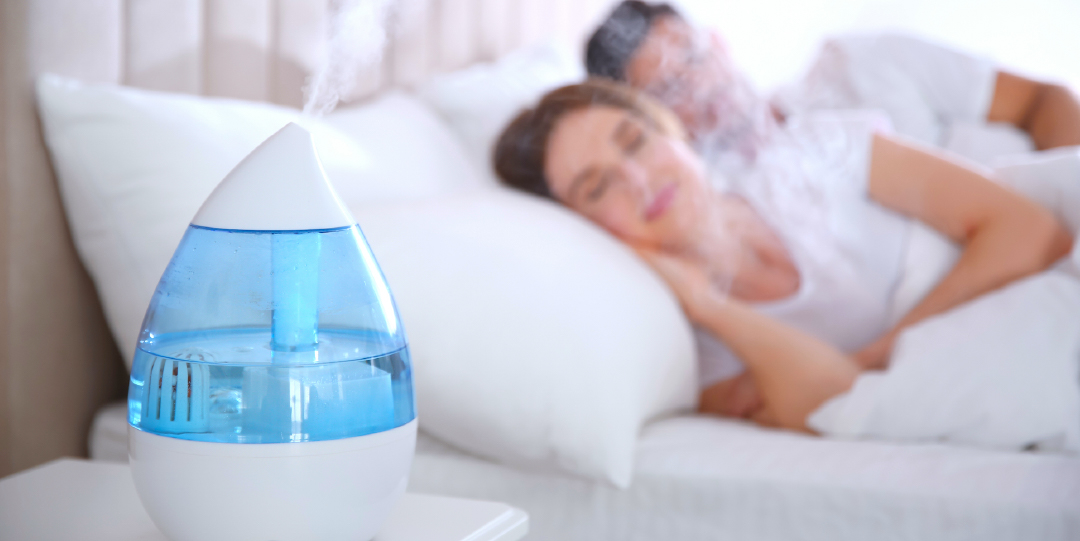
Indoor air quality plays a major role in how comfortable and healthy a living space feels. Learning how to humidify a room is important because dry air can quickly cause discomfort such as itchy skin, dry throat, irritated sinuses, and even poor sleep quality. This problem often appears in air-conditioned environments, heated rooms during winter, or tightly sealed modern homes where natural moisture circulation is reduced.
Understanding how to humidify a room also helps improve daily wellness and home comfort in a simple, cost-effective way. When humidity drops below healthy levels, the air feels harsh and can even increase the risk of respiratory irritation. Restoring balance ensures smoother breathing, better skin hydration, and a more refreshing indoor atmosphere that supports relaxation and productivity throughout the day.
Ideal humidity levels and why balance matters indoors
To fully understand how to humidify a room, it is essential to know the ideal indoor humidity range, which typically stays between 30% and 50%. When humidity drops below this level, the air becomes overly dry and uncomfortable. On the other hand, excessive humidity can encourage mold growth, dust mites, and musty odors, creating new health concerns inside the home environment.
Maintaining balance while learning how to humidify a room ensures long-term comfort and safety. A hygrometer can help measure humidity levels accurately so adjustments can be made when needed. This simple awareness helps homeowners avoid extremes and maintain an environment where air feels naturally soft, breathable, and healthy for both adults and children.
How to humidify a room without a humidifier using simple everyday methods
One of the most effective answers to how to humidify a room is using simple household techniques that require no special equipment. Boiling water on a stove releases steam that quickly spreads moisture into the air, making it one of the fastest natural methods. Similarly, taking a hot shower and leaving the bathroom door open allows steam to circulate into nearby rooms and increase humidity levels naturally.
Another practical method for how to humidify a room is placing bowls of water in different corners of the space. As the water slowly evaporates, it releases moisture into the air over time. Hanging wet towels or drying clothes indoors also contributes to increased humidity. These small daily habits can significantly improve indoor comfort without the need for mechanical devices.
Natural long-term solutions for consistent room humidity
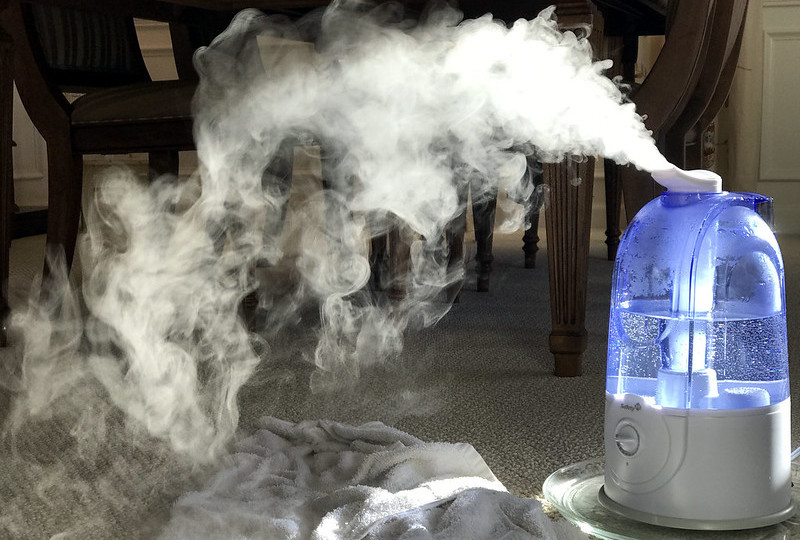
When exploring how to humidify a room for long-term comfort, indoor plants offer one of the most natural solutions. Plants release moisture through a process called transpiration, which gradually increases humidity while also improving air quality. Grouping several plants together enhances this effect, creating a fresher and more balanced indoor environment that feels more alive and breathable.
Another long-term method for how to humidify a room involves using evaporation-based techniques. Leaving a bathtub filled with water for a short period allows moisture to slowly enter the air. Cooking meals that produce steam, such as soups or boiling vegetables, also contributes to natural humidity. These simple habits help maintain steady moisture levels without requiring constant effort or expensive equipment.
Smart technology options for modern humidification needs
Modern technology offers advanced solutions for how to humidify a room efficiently and automatically. Devices like dyson purifier humidify+cool systems combine air purification with controlled humidity output, ensuring a balanced indoor atmosphere. These systems are designed to maintain consistent moisture levels while also filtering dust, allergens, and pollutants from the air.
Popular models such as dyson ph03 purifier humidify+cool, dyson purifier humidify+cool ph04, and dyson pure humidify cool provide smart features for precise humidity control. Similarly, blueair dh3i 2-in-1 purify + humidify systems offer combined air cleaning and moisture control for modern homes. These technologies simplify how to humidify a room by automating the process and maintaining optimal comfort throughout the day and night.
Common mistakes people make when trying to humidify a room
While learning how to humidify a room, many people unintentionally make mistakes that reduce effectiveness or create new problems. One common issue is over-humidifying the space, which can lead to condensation on walls, mold formation, and poor air circulation. Another mistake is failing to clean water containers or humidifying tools regularly, which can lead to bacteria growth and unpleasant odors.
Another important aspect of how to humidify a room is proper ventilation. Some people try to trap moisture inside without allowing fresh air to circulate, which can reduce air quality. It is also a mistake to rely on only one method continuously without monitoring humidity levels. Combining multiple approaches while checking air conditions ensures a healthier and more stable indoor environment.
How to humidify a room in different seasons and environments
Understanding how to humidify a room becomes especially important during seasonal changes. In winter, heating systems often reduce indoor moisture levels significantly, making the air dry and uncomfortable. During this time, methods like steaming, indoor drying of clothes, and using water bowls become highly effective for restoring balance and improving comfort.
In summer or air-conditioned environments, how to humidify a room may require lighter adjustments such as indoor plants or controlled use of evaporation techniques. In dry climates, combining natural methods with smart devices may be necessary to maintain consistent humidity levels. Adapting strategies based on environment ensures better results throughout the year.
Benefits of maintaining proper humidity indoors
Learning how to humidify a room brings multiple health and lifestyle benefits when done correctly. Proper humidity helps reduce dryness in the skin and throat, improves sleep quality, and supports better respiratory function. It also helps preserve wooden furniture, musical instruments, and indoor plants by preventing excessive dryness that can cause damage over time.
Another benefit of how to humidify a room is improved overall comfort and energy levels. Balanced air feels softer and more refreshing, which enhances focus and relaxation. A well-humidified environment creates a healthier living space where the body feels more at ease, especially during long hours spent indoors working, studying, or resting.
Conclusion: Creating a balanced and comfortable indoor environment
Mastering how to humidify a room is about combining simple natural methods with smart awareness of indoor air conditions. Whether using steam, plants, evaporation techniques, or advanced devices like dyson purifier humidify+cool systems, the goal is to maintain balance rather than extremes. A well-humidified space improves comfort, health, and overall quality of life.
By applying consistent methods and monitoring humidity levels regularly, anyone can effectively manage how to humidify a room in any season or environment. The key is to create a stable indoor atmosphere where air feels natural, breathable, and supportive of daily well-being, making the home a more comfortable and refreshing place to live.
You may also read: Standard Methods for Directing Sump Pump Water Away