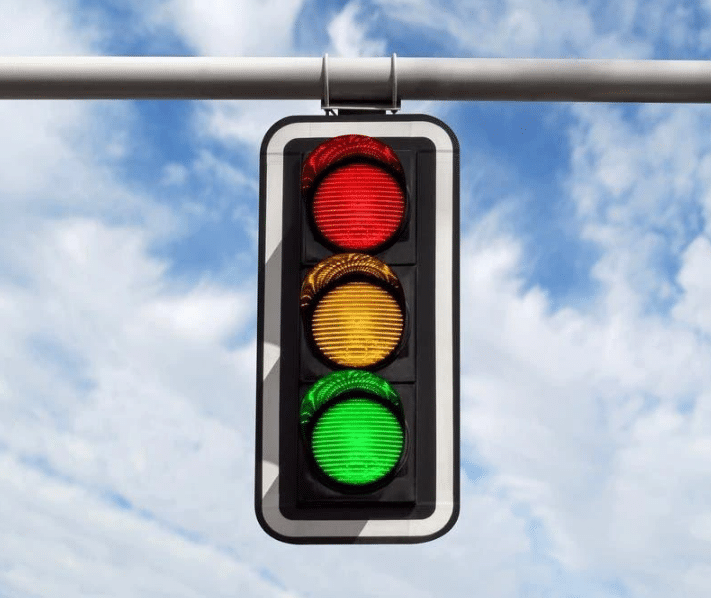
As cities continue to expand, maintaining road safety has become an increasingly important challenge. Growing populations, rising vehicle ownership, and busier intersections place additional pressure on urban transportation networks. Without effective traffic management, these conditions can increase the likelihood of road conflicts and accidents. Traffic Lights play an essential role in organizing road movement. By controlling when vehicles, pedestrians, and cyclists can proceed, they help establish a more predictable traffic environment. Modern signal systems also incorporate improved lighting technology and intelligent control features to support safer and more efficient urban mobility.
The Importance of Traffic Management in Urban Areas
Urban roads accommodate different types of transportation, including private cars, buses, bicycles, and pedestrians. These road users often share limited space, particularly around intersections and commercial districts.
When traffic flows are not properly coordinated, several problems may occur:
- Vehicles from different directions may enter intersections simultaneously.
- Pedestrians may face difficulties crossing busy roads.
- Congestion can create unexpected driving conditions.
- Drivers may have limited time to respond to changing road situations.
Effective traffic management helps address these challenges by establishing clear movement priorities. Properly installed Traffic Lights provide visual instructions that allow road users to understand when to stop, proceed, or wait. This organized approach is particularly important at busy intersections, school zones, and pedestrian crossings, where different traffic movements need to be carefully coordinated.
How Traffic Lights Improve Intersection Safety
Intersections are among the most complex areas of urban road networks because vehicles traveling in different directions must share the same space. Traffic signals help manage these movements through predefined operating sequences. Red, yellow, and green signals communicate different instructions to drivers. These visual indications establish an orderly pattern for vehicles approaching and passing through intersections.
Modern traffic signal systems can also incorporate additional functions to improve safety:
l Countdown Displays: Show the remaining time before a signal changes, helping road users anticipate transitions. l LED Lighting: Provides clear visual indications under different lighting conditions while reducing energy consumption. l Directional Arrows: Guide vehicles making specific turns and help separate conflicting movements. l Adaptive Signal Control: Adjusts signal timing according to changing traffic conditions where compatible detection and control systems are installed. By coordinating vehicle movements, Traffic Lights help reduce potential conflicts and make intersection behavior more predictable. Their effectiveness, however, also depends on suitable signal placement, visibility, timing plans, and regular maintenance.
Supporting Pedestrians and Cyclists on Busy Roads
Road safety requires attention to more than just motor vehicle traffic. Pedestrians and cyclists also need clear guidance when navigating busy urban streets. Pedestrian signals provide dedicated crossing instructions, allowing people to cross at designated times. Countdown timers offer additional information about the remaining crossing period, helping pedestrians make better decisions. In areas with significant cycling activity, dedicated bicycle signals can further improve traffic organization. They allow cycling movements to be managed separately when road layouts and traffic conditions require it.
Several design considerations contribute to safer crossings:
l Clear Signal Visibility: Signals should be positioned where pedestrians and cyclists can easily see them. l Appropriate Crossing Time: Signal timing should account for crossing distance and pedestrian movement. l Accessible Design: Audible or tactile indicators can provide additional assistance to people with visual impairments. l Consistent Signal Coordination: Crossing phases should work effectively with surrounding vehicle movements. These measures help create a more inclusive transportation environment and improve safety for different categories of road users.
Key Features of Reliable Traffic Signal Systems
The performance of a traffic signal system depends on both its technical design and its ability to operate consistently in outdoor environments. Municipal authorities and infrastructure planners should consider several important characteristics when selecting equipment. 1. High Visibility Signal indications need to remain recognizable during daylight, nighttime, and unfavorable weather. LED technology offers bright illumination and clear color differentiation, helping drivers identify signal changes from an appropriate distance. 2. Energy Efficiency LED-based Traffic Lights generally consume less electricity than traditional incandescent alternatives. Their lower energy requirements can help reduce the operating costs of large-scale traffic infrastructure. 3. Weather Resistance Outdoor traffic equipment is continuously exposed to rain, dust, temperature fluctuations, and sunlight. Protective housings and suitable material selection help maintain stable operation under different environmental conditions. 4. Long-Term Reliability Traffic signal failures can disrupt road operations and create safety concerns. Durable components, dependable control systems, and routine inspections are therefore important for maintaining consistent performance. Selecting equipment with these characteristics can help transportation authorities build more dependable traffic management infrastructure.
Building Safer Urban Roads with Modern Traffic Technology
As urban transportation systems become more complex, traditional traffic management methods are gradually being complemented by intelligent technologies. Modern signal controllers, vehicle detection systems, and centralized monitoring platforms allow traffic authorities to manage road conditions with greater flexibility. These technologies can support coordinated signal operations, improve the allocation of road space, and provide useful information for transportation planning. Their integration also creates opportunities to improve traffic management across multiple intersections. Reliable equipment remains an important part of this development. Manufacturers such as Sinowatcher contribute to modern urban mobility by providing traffic signal products designed for different road infrastructure requirements. Their range of Traffic Lights and related traffic control equipment supports the development of organized and dependable road systems. Ultimately, improving urban road safety requires cooperation between infrastructure planning, traffic management, equipment quality, and public awareness. Well-designed signal systems remain an essential part of this effort, helping cities create safer roads and more efficient transportation networks.