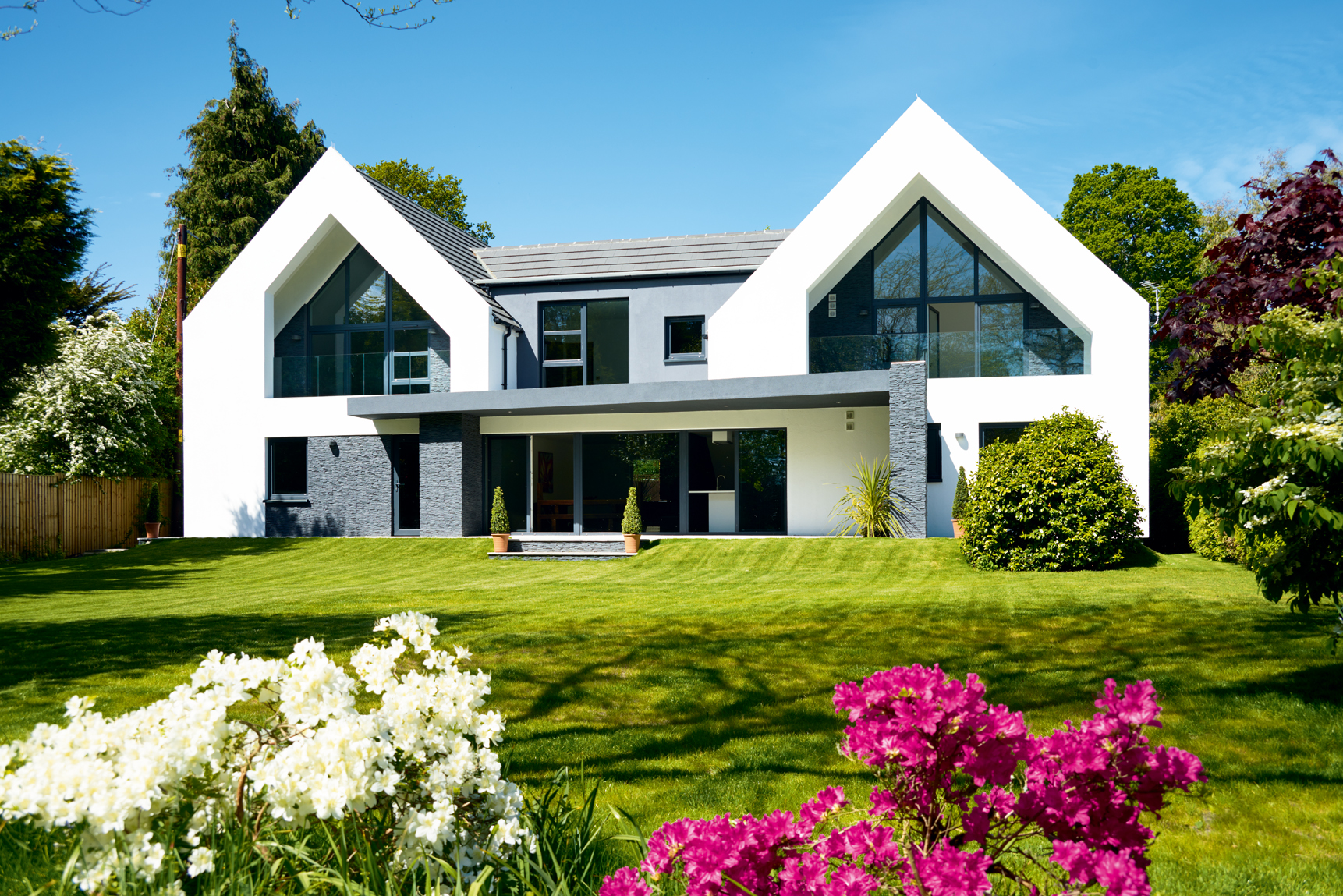
Building your own home in the UK is an exciting and rewarding venture, but understanding the cost of building a house UK in 2026 is essential before starting. With property prices continuing to rise and the demand for bespoke homes growing, more Britons are exploring self-build options. However, building a home involves far more than laying bricks—it requires careful planning, budgeting, navigating regulations, and making informed decisions about materials and design.
Whether you’re planning a compact urban home or a spacious countryside retreat, costs can vary widely depending on location, design choices, and construction methods. This guide will walk you through the average costs, key factors that influence pricing, professional fees, financing options, and strategies to save money without compromising quality.
Average Cost of Building a House UK in 2026
In 2026, the average construction cost for a standard-quality home in the UK ranges from £1,900 to £3,200 per square metre, depending on location, materials, and complexity. For a typical 100 m² home, this translates to roughly £190,000–£320,000, excluding the cost of land. High-end finishes, larger layouts, or unique architectural features can push the price even higher.
Regional Cost Differences
Location has a significant impact on overall costs. London and the South East remain the most expensive regions due to high labour demand and material costs. In contrast, Northern England, Wales, and Northern Ireland generally offer lower construction and land prices. For example:
- London & South East: £2,500–£3,200/m²
- Midlands: £2,000–£2,700/m²
- North East & North West: £1,900–£2,500/m²
By considering regional differences, you can plan a budget more accurately and make decisions about land purchases and design choices.
Key Factors That Affect the Cost of Building a House
Several factors can influence the total cost of building a house UK. Understanding them helps you plan effectively:
1. Land Purchase and Planning
The price of land varies widely depending on location, accessibility, and whether planning permission is already in place. Urban plots tend to be expensive but usually come with fewer regulatory hurdles. Rural plots are often cheaper but may require additional planning approvals, surveys, or environmental assessments.
2. Size and Complexity of the Build
A simple, single-storey home will generally cost less than a multi-storey property with complex features. Architectural elements like basements, loft conversions, or curved walls increase construction time and costs. Energy-efficient designs, insulation upgrades, and sustainable materials also raise upfront costs but reduce long-term energy bills.
3. Choice of Materials and Finishes
Material choice significantly impacts costs. Standard bricks and timber framing are more affordable, while steel, high-quality cladding, or triple-glazed windows can increase budgets. Finishes for kitchens, bathrooms, flooring, and lighting can also dramatically alter the final price.
Professional Fees and Permissions
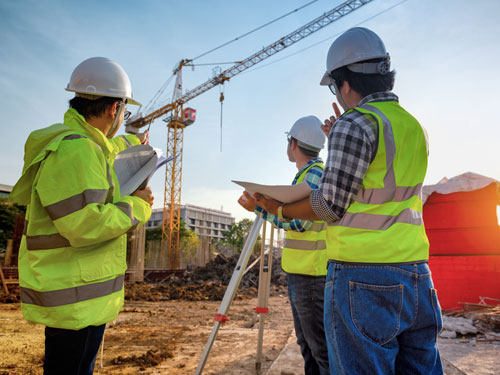
Professional expertise is crucial in ensuring your build stays on track and compliant with regulations. Expect to budget 10–15% of your total build costs for architects, structural engineers, planning consultants, and project managers.
Modern building regulations have evolved in 2026, including updates to energy efficiency standards, fire safety rules, and accessibility requirements. Working with professionals ensures compliance and reduces the risk of costly mistakes. Some commonly considered fees:
- Architect: 5–12% of total build cost
- Structural Engineer: £90–£220/hour
- Planning Consultant: £1,500–£5,000 depending on project complexity
Stage-by-Stage Construction Costs
Breaking down costs by construction stage helps you understand where your money goes:
- Site Preparation & Foundations (10–15% of total cost)
Includes clearing, excavation, drainage, and laying foundations. Difficult terrain or poor soil can increase costs. - Superstructure (40–50%)
Walls, roof, floors, and structural framework. Material choices and architectural complexity influence cost heavily. - Internal Systems (20–25%)
Plumbing, electrical systems, insulation, and plastering. High-spec kitchens and bathrooms increase this stage’s expenses. - External Work & Landscaping (5–10%)
Driveways, patios, fencing, gardens, and external lighting. Often overlooked in early budgets. - Professional Fees & Contingencies (10–15%)
Includes architects, engineers, project management, and allowances for unforeseen costs.
Hidden Costs to Consider
Even with careful planning, unexpected costs can arise:
- Temporary accommodation if construction takes longer than expected
- Utility connections and infrastructure upgrades
- Waste disposal and site security
- Survey or environmental assessment fees
Building insurance is essential throughout the project to protect against accidents, theft, or fire. Complying with updated regulations may also require investment in energy-efficient systems, fireproofing, or accessibility adaptations.
Ways to Reduce Construction Costs
![How Much Does it Cost to Build a House? [2025 £/m2 Building Prices] - Urbanist Architecture - Small Architecture Company London](https://urbanistarchitecture.co.uk/media/pages/blog/cost-to-build-a-house-uk/fa7437a80a-1679668560/03-cost-to-build-a-house-1024x.jpg)
Budget-conscious homeowners can adopt strategies to reduce costs without compromising quality:
- Self-manage the Project
Acting as your own project manager can save 10–15% of costs but requires time and planning expertise. - Use Modular or Prefabricated Builds
Factory-built modules reduce labour costs and construction time while offering quality finishes. - Simplify Design
Opting for simple layouts, flat or pitched roofs without complex features, and standard-sized materials lowers costs. - Smart Material Choices
Mix standard and high-end finishes strategically. For example, invest in durable flooring but choose standard wall finishes to balance the budget.
Financing Your Build in 2026
Most UK self-builders require a self-build mortgage, which releases funds in stages as construction progresses. Lenders like Nationwide, Coventry, and Leeds Building Society offer such products, often requiring detailed plans, budget breakdowns, and proof of permissions.
Tips for securing financing:
- Finalize plans and specifications before applying
- Include contingencies (10–15%) for unexpected costs
- Track expenses with spreadsheets or mortgage lender tools
Cost Examples for Different House Sizes
| House Type | Average Build Cost (Excl. Land) | Notes |
|---|---|---|
| 2-bedroom bungalow (75 m²) | £142,500–£240,000 | Suitable for small families or downsizers |
| 3-bedroom house (100 m²) | £190,000–£320,000 | Most common self-build option |
| 4-bedroom house (120 m²) | £228,000–£384,000 | Includes additional living space or en-suite bathrooms |
| 5-bedroom house (150 m²) | £285,000–£480,000 | Larger homes with high-spec finishes |
Conclusion
The cost of building a house UK in 2026 depends on numerous variables, including location, design, materials, and regulatory compliance. Careful budgeting, professional guidance, and smart construction choices are essential for controlling costs.
By understanding each stage—from land acquisition and planning permission to structural work and interior finishes—you can manage your project effectively, avoid surprises, and make the most of your investment. Embracing modern construction methods, energy-efficient designs, and cost-saving strategies ensures your self-build home is both financially and practically rewarding.
FAQs
Q1: What is the average cost per square metre to build a house in the UK in 2026?
A: £1,900–£3,200/m², depending on location, size, and specifications.
Q2: Are self-build mortgages different from standard mortgages?
A: Yes, funds are released in stages based on construction progress, requiring detailed plans and budgets.
Q3: Which UK lenders offer self-build mortgages in 2026?
A: Nationwide, Coventry, Leeds, and Yorkshire Building Society offer stage-release self-build products.
Q4: How can I reduce the cost of building my home?
A: Self-managing the project, using modular builds, simplifying design, and selecting materials strategically can reduce costs.
Q5: Do I need insurance while building my home?
A: Absolutely. Building insurance covers accidents, theft, and unforeseen events throughout construction.
You may also read: The Different Types of Planning Permissions