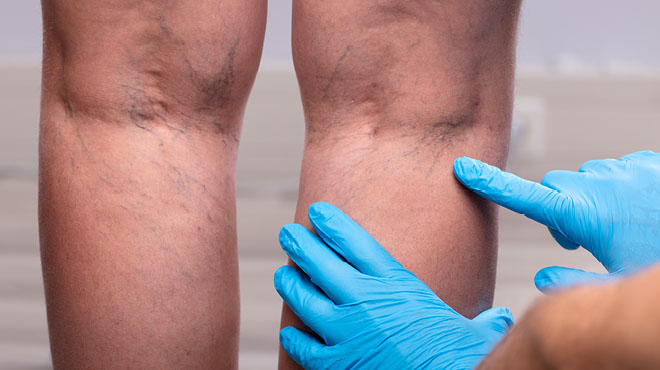
Varicose veins are a common issue that many of us face, often dismissed as merely cosmetic. However, they can significantly affect daily life, causing discomfort and impacting overall well-being. With expert care from Metro Vein, treating varicose veins can lead to meaningful improvements in both physical comfort and emotional confidence.
In this guide, we’ll explore the causes, symptoms, and treatment options available, empowering us to take control of our vascular health and enjoy a more comfortable, active lifestyle.
Understanding Varicose Veins
Varicose veins are swollen, twisted veins that often appear blue or dark purple, most commonly in the legs. They occur when veins become enlarged due to increased pressure, which leads to weakened valves that allow blood to flow backward. This condition can affect anyone, but it is more common in women, particularly during pregnancy or with age.
Common Symptoms and Causes
The symptoms of varicose veins can vary widely, including:
- Visible bulging veins: Often the most noticeable symptom.
- Pain or heaviness: A feeling of tightness in the legs can often accompany these veins.
- Swelling and cramping: These sensations might intensify during prolonged periods of sitting or standing.
- Skin changes: The skin over varicose veins may become discolored or develop sores.
Some common causes include:
- Heredity: A family history of varicose veins can increase our risk.
- Sedentary lifestyle: Prolonged inactivity can weaken vein walls.
- Hormonal changes: Fluctuations, especially in women, can lead to the development of varicose veins.
Impact on Daily Life and Well-Being
Living with varicose veins can present a range of challenges that go beyond mere aesthetics.
Physical Discomfort and Pain
For many of us, the physical symptoms of varicose veins can disrupt daily activities. The discomfort can manifest as throbbing pain, swelling, or a heavy feeling in our legs. These symptoms often lead us to limit our physical activities, creating a cycle of inactivity that can exacerbate the condition and lead to additional health complications, such as chronic venous insufficiency.
Emotional and Psychological Effects
The emotional toll of having visible varicose veins can be just as debilitating. Many individuals experience diminished self-esteem and body image issues. This can lead to avoidance of social situations or activities we once enjoyed, from wearing shorts or skirts to participating in sports or gatherings. The impact on our mental well-being is often overlooked but is a crucial aspect of addressing varicose veins.
Treatment Options for Varicose Veins
Treating varicose veins can lead to significant improvements in our quality of life. There are several treatment options available, each catering to different levels of severity and symptoms.
Non-Invasive Treatments
Many options exist that do not require surgery. These include:
- Compression Stockings: Wearing specially designed stockings can improve circulation and reduce swelling.
- Endovenous Laser Therapy (EVLT): This minimally invasive procedure uses lasers to close off affected veins.
- Sclerotherapy: Here, a solution is injected into the veins, causing them to collapse and fade from view.
These treatments are generally well-tolerated, and many individuals report significant relief from symptoms following these procedures.
Surgical Options
For more severe cases, surgical intervention may be necessary. The most common procedures include:
- Microphlebectomy: Smaller incisions are made to remove the varicose veins.
- Ligation: This is performed under anesthesia and involves tying off the vein before it is removed.
Each treatment option has its pros and cons, and the choice often depends on our specific situation as well as our healthcare provider’s recommendations.
Post-Treatment Care and Recovery
Post-treatment, it is crucial to focus on care and recovery to maximize results and maintain healthier veins moving forward.
Expected Results and Benefits
Most individuals notice improvements in symptoms relatively quickly post-treatment. Increased comfort, reduced swelling, and improved appearance are common benefits. These changes not only boost our physical health but can also restore our confidence and enjoyment in everyday activities.
Long-Term Lifestyle Changes
To truly benefit from treatment, long-term lifestyle adjustments are essential. We should focus on:
- Regular exercise: Activities like walking or swimming can improve circulation.
- Healthy diet: A diet rich in fiber and low in salt can aid vein health.
- Weight management: Maintaining a healthy weight can significantly reduce pressure on our veins.
Each of these changes contributes to better overall vascular health and can prevent the recurrence of varicose veins.
Conclusion
To conclude, addressing varicose veins is not merely about aesthetics: it’s about reclaiming our quality of life. Through understanding the causes, acknowledging the emotional and physical impacts, and considering our treatment options, we can alleviate the burdens of this common condition. With the right treatment and lifestyle changes, we can improve our well-being, enhance our confidence, and fully engage in the activities we love. If you’re experiencing symptoms of varicose veins, it’s time to take the next step and consult with a healthcare professional to explore the right options for you.