
Latest Advances in Arthritis Pain Treatment: Understanding the New Generation of Drugs
Arthritis treatment has changed significantly over the past decade, moving far beyond traditional pain relief medications. Instead of only reducing symptoms like swelling and discomfort, modern therapies now aim to target the immune system processes responsible for joint inflammation. This shift has led to the development of highly specialized drugs that are designed to slow disease progression and improve long-term joint health. As research continues, newer treatments are focusing on precision medicine, where therapy is tailored to specific immune pathways involved in different types of arthritis.
Another important development in arthritis care is the growing emphasis on disease control rather than temporary pain relief. Conditions such as rheumatoid arthritis, psoriatic arthritis, and osteoarthritis are now being managed with drugs that can modify immune responses at a molecular level. This approach has opened the door to more advanced options, including JAK inhibitors, BTK inhibitors, and biologic therapies. These innovations represent a major shift in how arthritis is understood and treated, offering improved outcomes for patients who do not respond well to conventional medications.
Newest Drugs for Arthritis Pain in 2026
Among the most important recent advancements in arthritis treatment is Upadacitinib (Rinvoq), a selective JAK inhibitor widely used for moderate to severe rheumatoid arthritis. This oral medication works by blocking specific enzymes involved in inflammation signaling pathways. Its ability to reduce immune system overactivity makes it highly effective for patients who have not responded to traditional disease-modifying drugs like methotrexate. One of its key advantages is convenience, as it is taken orally rather than by injection, improving adherence for many patients.
Another emerging treatment gaining attention is Tanezumab, an investigational nerve growth factor (NGF) inhibitor primarily studied for osteoarthritis pain. Unlike traditional anti-inflammatory drugs, it works by targeting pain signaling pathways directly in the nervous system. This makes it a promising non-opioid alternative for chronic pain management. Although still under clinical evaluation in many regions, early studies suggest it may provide significant relief for patients with severe osteoarthritis who have limited treatment options.
A third important advancement is Deucravacitinib (Sotyktu), a TYK2 inhibitor used primarily for psoriatic arthritis and related autoimmune conditions. This medication works by selectively blocking the TYK2 enzyme, which plays a key role in immune system signaling. By targeting this pathway, it helps reduce inflammation while maintaining a more selective immune suppression compared to older therapies. These three drugs highlight the shift toward more targeted and personalized arthritis treatment strategies.
How JAK, BTK, and Biologic Therapies Work
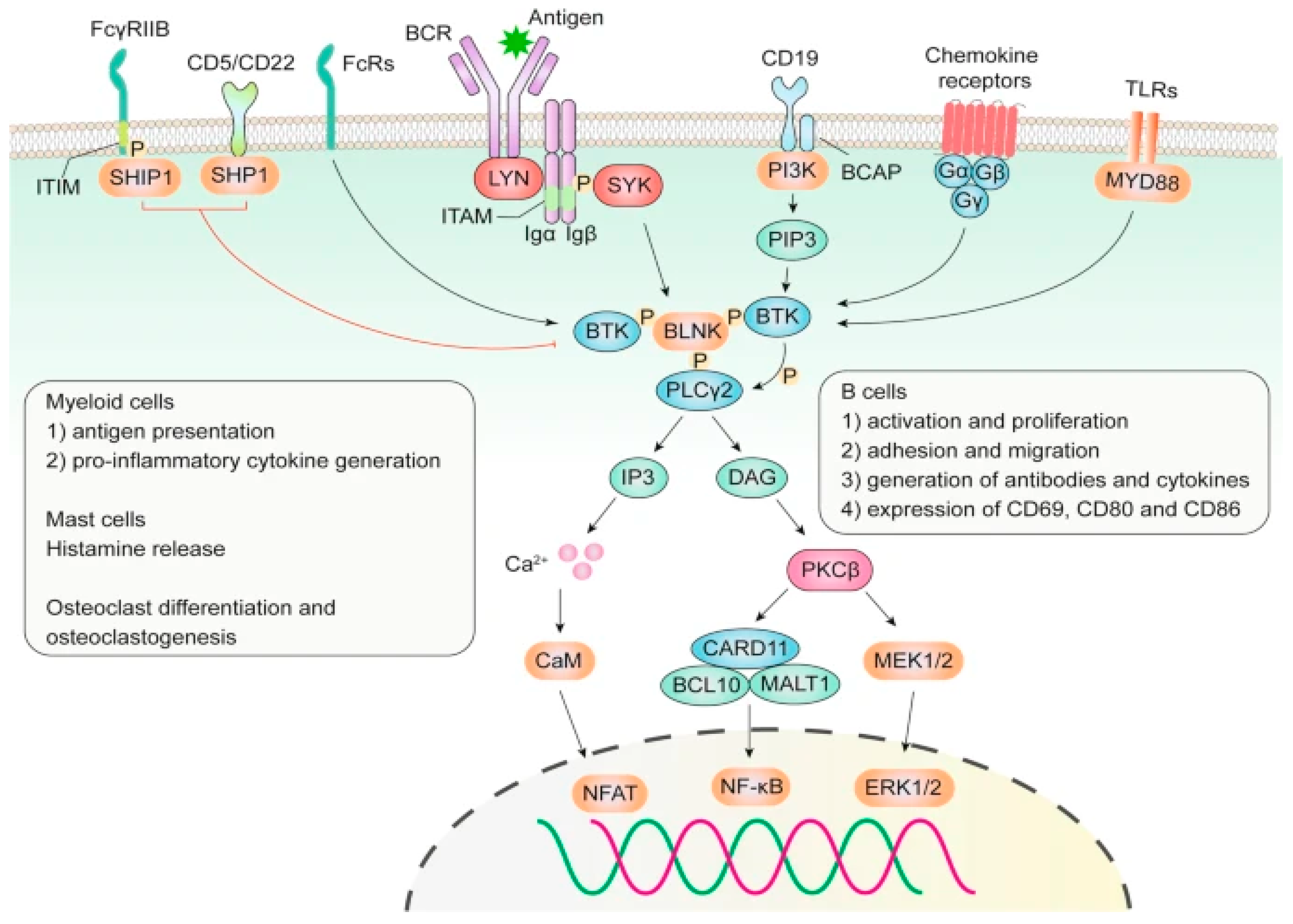
JAK inhibitors, BTK inhibitors, and biologic therapies all belong to a modern class of treatments known as targeted disease-modifying drugs. JAK inhibitors work by blocking intracellular signaling pathways that transmit inflammatory signals in the immune system. This reduces the production of inflammatory chemicals that contribute to joint swelling and pain. BTK inhibitors, on the other hand, focus on B-cell activation, preventing immune cells from mistakenly attacking healthy joint tissues, which is a key driver in many autoimmune forms of arthritis.
Biologic therapies work differently because they are made from living cells and are designed to target specific proteins involved in inflammation. These include tumor necrosis factor (TNF) and interleukins, which are responsible for triggering immune responses in arthritis. By blocking these proteins, biologics help reduce joint inflammation, slow structural damage, and improve physical function. Unlike traditional medications, these therapies are highly specific, making them more effective for certain patients while requiring careful monitoring due to their impact on immune function.
Comparison of Modern Arthritis Treatments
When comparing modern arthritis treatments, it is important to understand that each drug class serves a different purpose depending on disease severity and patient response. JAK inhibitors are often preferred for their oral administration and relatively fast onset of action, making them suitable for patients seeking convenience and quick symptom relief. Biologic drugs, while injectable, have been used for many years and offer strong long-term disease control for moderate to severe arthritis cases.
BTK inhibitors and newer targeted therapies represent the next frontier in arthritis care, although many are still under clinical development. These drugs are designed for patients who do not respond adequately to existing treatments. In clinical practice, doctors often choose therapies based on disease type, progression speed, and patient history. This personalized approach ensures that patients receive the most effective treatment while minimizing risks and side effects associated with immune suppression.
Emerging and Investigational Therapies Changing the Future
In addition to currently available drugs, several emerging therapies are reshaping the future of arthritis treatment. Researchers are exploring treatments such as cartilage-regenerating injections, immune pathway modulators, and biologics that target previously unexplored inflammatory signals. These innovations aim not only to control pain but also to repair joint damage, which has long been considered irreversible in many forms of arthritis.
One of the most promising areas of research includes nerve-targeting therapies and regenerative medicine approaches. These treatments focus on reducing pain at its source or restoring damaged joint tissue through biological repair mechanisms. While many of these therapies are still in clinical trials, they represent a significant step forward in addressing the underlying causes of arthritis rather than just managing symptoms. As research progresses, these options may become standard treatment choices in the future.
Safety, Effectiveness, and What Patients Should Know
Although modern arthritis drugs offer significant benefits, they also require careful medical supervision. Treatments such as JAK inhibitors and biologics can affect the immune system, increasing the risk of infections if not properly monitored. Patients are typically required to undergo regular blood tests and medical evaluations to ensure the treatment remains safe and effective over time. Doctors also consider patient history, existing conditions, and overall health before prescribing these medications.
Effectiveness varies depending on the individual and the stage of arthritis. Some patients may respond quickly to treatment, while others may require adjustments or combination therapies to achieve optimal results. Lifestyle factors such as diet, physical activity, and physiotherapy also play a supportive role in improving outcomes. When combined with advanced medical treatments, these approaches can significantly improve quality of life and help patients maintain mobility and independence.
Frequently Asked Questions (FAQ)
One common question is which arthritis drug is considered the newest or most advanced. In recent years, drugs like JAK inhibitors and TYK2 inhibitors have been considered among the most innovative due to their targeted immune system mechanisms. Another frequently asked question is whether these drugs can cure arthritis. Currently, there is no cure for most forms of arthritis, but modern treatments can significantly slow progression, reduce pain, and improve daily functioning when used consistently under medical supervision.
Another important question is how long these medications take to work. JAK inhibitors often show improvement within weeks, while biologic therapies may take longer depending on the individual response. Patients also frequently ask about safety concerns, especially regarding immune suppression. While these drugs can increase infection risk, regular monitoring and proper medical guidance greatly reduce complications. Overall, these advanced treatments represent a major improvement in arthritis care, offering better long-term disease management than traditional therapies.
You may also read: Hotels Near Harry Potter Studios – Best Places to Stay Close to Warner Bros. London