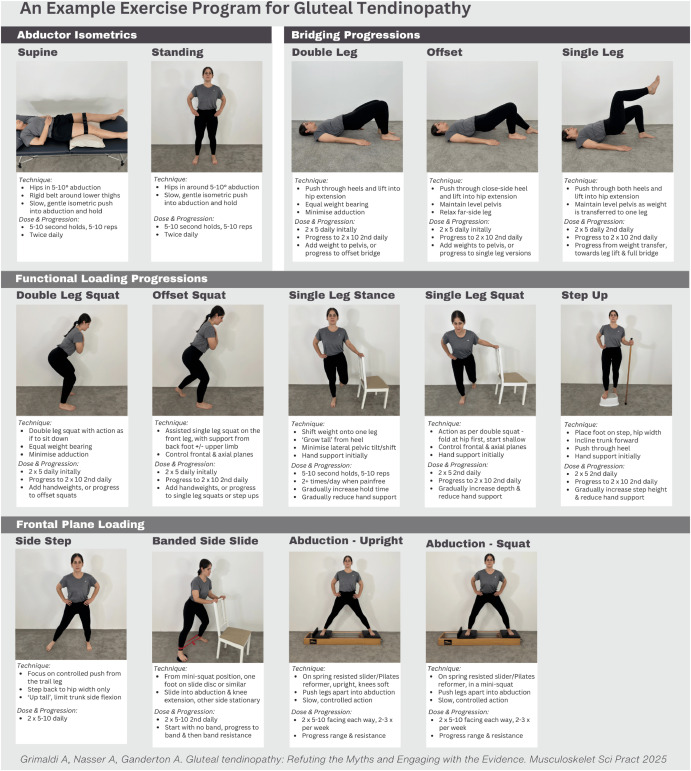
What is Gluteal Tendinopathy and Why It Causes Persistent Hip Pain
Gluteal tendinopathy is a condition that affects the tendons of the gluteus medius and gluteus minimus muscles, which are located on the outer side of the hip. These tendons play an important role in stabilizing your pelvis during walking, running, and standing on one leg. When they become irritated or overloaded, usually due to repetitive stress or poor movement patterns, they begin to lose their normal capacity to handle load. This leads to pain on the outside of the hip that often becomes worse with activity, especially during walking, climbing stairs, or lying on the affected side.
Many people confuse this condition with general muscle tightness or joint stiffness, but gluteal tendinopathy is a tendon-related problem rather than a muscle issue. Tendons respond differently to stress compared to muscles, meaning they do not improve through stretching alone. Instead, they require carefully managed loading to recover. If the tendon is repeatedly compressed or overloaded, symptoms can become chronic and significantly impact daily activities. This is why understanding the condition clearly is the first step toward choosing the right exercises and avoiding movements that worsen the irritation.
Why Certain Exercises Make Gluteal Tendinopathy Worse
The main reason some exercises worsen gluteal tendinopathy is because they increase compression or excessive strain on the already sensitive tendon. The gluteal tendons sit in a narrow space between the hip bone and surrounding structures, so certain movements can pinch or overload them. When the hip moves into positions of excessive adduction (crossing toward the midline of the body) or deep rotation, the tendon becomes compressed, leading to irritation and delayed healing. This is why certain exercises that seem helpful for general fitness may actually be harmful during recovery.
Another important factor is the misunderstanding of “tightness” in the hip area. Many people assume that stretching will relieve the discomfort, but in tendon-related pain, the sensation of tightness is often caused by irritation rather than true muscle shortening. Stretching aggressively in these situations can increase tendon compression and worsen symptoms. Similarly, high-load activities without proper progression can overload the tendon faster than it can adapt. This imbalance between load and recovery is one of the main reasons symptoms persist or worsen over time.
Gluteal Tendinopathy Exercises to Avoid for Faster Recovery
Certain exercises should be avoided during the early and painful stages of gluteal tendinopathy because they increase compression on the tendon or overload it in an unprepared state. One of the most commonly problematic movements is the clam exercise, especially when performed repeatedly or with poor control. Although it is often recommended for glute strengthening, it can place the tendon in a compressed position against the hip bone, which may aggravate symptoms rather than improve them. Side-lying leg raises can have a similar effect if the movement is too large or uncontrolled.
Stretching-based exercises are another major category to be cautious with. Movements such as crossing the leg over the body, deep glute stretches, IT band stretches, and piriformis stretches can all increase compression around the outer hip. While they may feel temporarily relieving, they can worsen tendon irritation in the long term. High-impact activities like running, jumping, and hill sprints should also be avoided during flare-ups because they significantly increase repetitive loading on the tendon, preventing it from settling and recovering properly.
Daily Habits and Movements That Can Delay Healing
Beyond structured exercise, daily habits can also contribute to ongoing irritation in gluteal tendinopathy. One of the most overlooked factors is prolonged sitting with crossed legs or leaning heavily on one hip while standing. These positions create sustained compression on the outer hip tendons, which can increase pain over time. Similarly, sleeping on the affected side without support can place continuous pressure on the irritated area, making morning stiffness and discomfort worse.
Even simple movements like climbing stairs repeatedly or standing with weight shifted onto one leg can gradually overload the tendon if it is already sensitive. These patterns are often unconscious, meaning people continue doing them without realizing the impact on their recovery. Making small adjustments such as using a pillow between the knees while sleeping, standing evenly on both feet, and taking regular movement breaks during long sitting periods can significantly reduce unnecessary strain and help create a better environment for healing.
Safer Alternatives and Better Exercises for Recovery
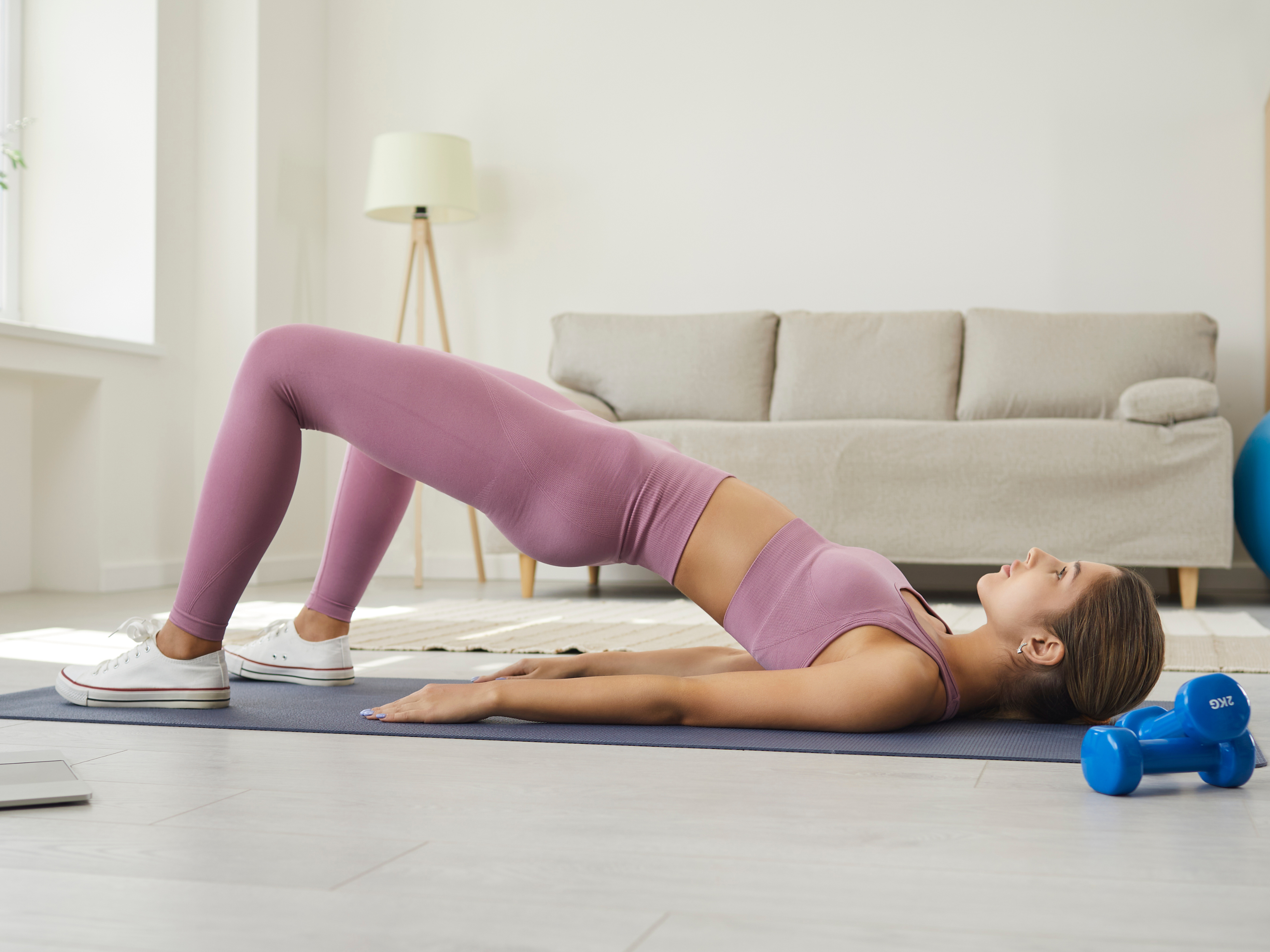
While certain movements should be avoided, complete rest is not recommended for gluteal tendinopathy. Instead, the focus should be on controlled, low-compression exercises that help rebuild tendon capacity gradually. Isometric exercises, where the muscle contracts without joint movement, are often well tolerated in early stages. For example, gently pushing the leg outward against resistance or holding a static bridge position can activate the glutes without excessive tendon irritation. These exercises help maintain strength while allowing the tendon to settle.
As symptoms improve, progressive strengthening becomes essential. This includes slow, controlled movements such as modified hip abductions, bridges, and step-based exercises performed within a pain-free range. Low-impact activities like cycling or swimming can also help maintain fitness without adding excessive stress to the tendon. The key principle is gradual load progression, where the intensity and complexity of exercises increase slowly based on tolerance. This approach helps the tendon adapt safely and reduces the risk of re-aggravation.
Common Mistakes That Delay Recovery
One of the most common mistakes in managing gluteal tendinopathy is returning to high-impact exercise too quickly. Many individuals reduce pain through rest or basic exercises and then immediately resume running or intense workouts. However, if the tendon has not rebuilt sufficient strength, symptoms often return or worsen. Recovery requires a gradual progression where load is carefully increased over time rather than sudden spikes in activity. Ignoring this principle often leads to repeated flare-ups and longer recovery periods.
Another mistake is relying too heavily on stretching or passive treatments without incorporating strengthening exercises. While stretching may temporarily reduce discomfort, it does not address the underlying issue of tendon capacity. Without strengthening, the tendon remains vulnerable to future overload. Additionally, failing to modify daily habits such as sitting posture or standing patterns can silently maintain irritation even if exercise is managed correctly. Successful recovery requires both exercise adjustment and lifestyle awareness working together.
FAQ: Gluteal Tendinopathy Exercises to Avoid and Recovery Guidance
What exercises should be avoided with gluteal tendinopathy?
Exercises that increase compression or excessive load on the outer hip should generally be avoided, especially in the early stages of recovery. This includes clamshells performed with poor control, deep side-lying leg lifts, aggressive stretching of the hip and glutes, and high-impact activities such as running or jumping. These movements can irritate the gluteal tendons because they either compress the tissue against the hip bone or overload it before it is ready. Avoiding these exercises allows the tendon to calm down and begin the healing process more effectively.
It is also important to avoid positions that place prolonged stress on the hip, such as crossing the legs while sitting or standing on one leg for long periods. These habits may not seem like exercises, but they still contribute to tendon irritation. Instead, focusing on controlled strengthening and maintaining neutral hip positions helps reduce strain. The goal is not to stop all movement but to avoid movements that repeatedly aggravate symptoms while introducing safer alternatives.
How can I speed up recovery from gluteal tendinopathy?
The most effective way to speed up recovery is through a combination of load management and progressive strengthening. Reducing activities that compress or overload the tendon is the first step, especially during painful phases. Once symptoms begin to settle, introducing isometric and controlled strengthening exercises helps rebuild the tendon’s ability to handle load. Consistency is important, as tendons adapt slowly and require gradual progression over weeks rather than days.
Lifestyle adjustments also play a key role in recovery speed. Avoiding prolonged sitting positions that compress the hip, using supportive sleeping positions, and distributing weight evenly during standing can all help reduce irritation throughout the day. Combining these habits with a structured rehabilitation plan creates the best environment for healing. Recovery is not about complete rest but about smart, progressive loading that respects the tendon’s current capacity while steadily increasing strength over time.
You may also read: Three of the Newest Drugs for Arthritis Pain: JAK, BTK, and Biologic Treatments