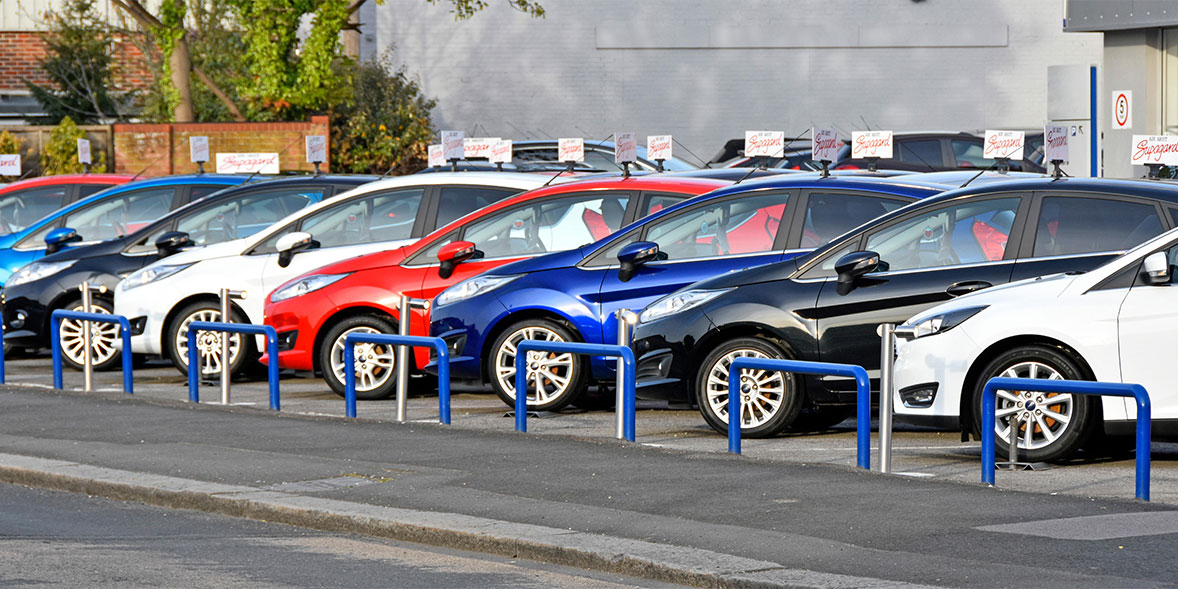
Buying a used car in the UK can offer excellent value, but securing the right finance deal is crucial to ensuring affordability. Unlike purchasing a new car, financing a second-hand vehicle comes with its own set of considerations, particularly concerning the age of the vehicle and your desire for ownership.
Fortunately, UK drivers have many options for funding a used car purchase, and today, we’ll be looking at the two main ones: Hire Purchase (HP) and Personal Contract Purchase (PCP). Each option has a distinct structure, impacting your monthly payments, interest rate, and, most importantly, who legally owns the car.
Read on to see how these two options compare and which one might suit your needs, so you feel more confident before choosing your next agreement.
What Are Your Main Finance Paths?
When you’re looking into financing a used car, you’ll notice that Hire Purchase and Personal Contract Purchase work very differently, even though both offer monthly payments. In the simplest terms, HP moves you closer to ownership, while PCP tends to offer lower monthly payments and brings more choice at the end of the agreement.
Both structures allow you to drive the car while paying it off, but each handles ownership in their own way. This makes it important to understand what you want from the car in the long run because your primary goal shapes the most suitable option.
Hire Purchase (HP)
Hire Purchase is often viewed as the simplest form of car finance, because every payment contributes towards the full price of the car. You start with a deposit and then pay fixed monthly instalments across an agreed term. Once you reach the final payment and cover some small transfer fees, the car becomes legally yours.
HP can work well if you plan to keep the car for several years because the structure doesn’t involve a large final balance. You also avoid mileage rules and this helps if you drive frequently or have an unpredictable routine. The simplicity of HP appeals to drivers who want long-term stability without concerns about end-of-term conditions.
Personal Contract Purchase (PCP)
Personal Contract Purchase is a bit more complex as it’s structured around a predicted future value of the car. You pay a deposit and then monthly payments that only cover part of the car’s value. The agreement sets a final figure (called a ‘balloon payment’) that you can choose to pay at the end if you want to keep the car. If you don’t want to pay this amount, you can either hand the car back and walk away, or start a new agreement for a different car.
PCP offers more freedom at the end of the term because you’re not locked into ownership unless you choose it. However, this comes with some conditions. You’ll need to stay within the agreed mileage and maintain the car to a fair standard, because charges may apply if you exceed the limits.
Weighing PCP Against HP
Choosing between PCP and HP for a used car depends on how you intend to use the vehicle and what you value most. If you want lower monthly payments and like the idea of changing cars more often, PCP might be a better option for you. If you prefer clear ownership and fewer restrictions, HP usually makes more sense.
You should also consider how much you drive each year and whether your mileage varies. PCP works best when you drive predictable distances, while HP works well when your mileage is harder to forecast.
To make your choice easier, it helps to check the total amount you’ll repay, not focus only on the monthly figure. This will show you the full cost of the agreement, so you can make an informed decision.
To Summarise
If you weigh your driving habits, budget and long-term intentions, the right option should jump out at you. Both PCP and HP can work well for used cars and each supports a different type of driver.
When you place your needs at the centre of the decision, you can choose a finance path that supports your daily routine and keeps you confident about the agreement you’ve signed. This helps you secure a used car agreement that feels practical today and still suits you in the years ahead.