Body mass index is a widely recognised health indicator used to assess whether a person has a healthy weight relative to their height. When people search to calculate your body mass index, they are usually looking for a simple way to understand their health status. It provides a quick screening method that helps identify whether someone may be underweight, within a healthy range, overweight, or at risk of obesity according to standard medical guidelines.
In the UK, body mass index is commonly used by healthcare professionals and the NHS as an initial assessment tool. Although it does not measure body fat directly, it offers a practical overview of weight-related health risks. Many individuals rely on BMI results to make informed lifestyle decisions, improve diet habits, and understand whether further medical advice may be needed for long-term wellbeing.
What is Body Mass Index in Simple Terms
Body mass index is a numerical value calculated using a person’s height and weight. It helps estimate whether body weight is appropriate for a given height. When you calculate your body mass index, the result is compared against a standard chart that classifies individuals into different weight categories, making it easier to understand overall health positioning in a simple and structured way.
Although BMI is widely used, it is important to remember that it is a general indicator rather than a precise diagnostic tool. It does not differentiate between muscle and fat, which means athletes or muscular individuals may receive higher readings despite being healthy. Still, it remains one of the most common methods used globally for quick health evaluation.
Body Mass Index Formula and How It Works
The body mass index formula is based on a simple mathematical equation: weight in kilograms divided by height in metres squared. This method is used across healthcare systems, including NHS body mass index guidelines in the UK. When you calculate your body mass index, this formula converts your physical measurements into a single number that reflects your general weight category.
Understanding the formula helps individuals see how BMI is derived rather than relying only on calculator tools. It also highlights why consistent measurement units are important for accuracy. Even small errors in height or weight input can slightly affect results, which is why precision is essential when calculating BMI manually or digitally.
How to Calculate Body Mass Index in the UK Step by Step

To calculate your body mass index in the UK, you typically use metric units, which means weight in kilograms and height in metres. The process involves multiplying your height by itself and then dividing your weight by that result. This approach ensures alignment with NHS standards and provides a consistent method used across medical assessments.
Many people prefer using a body mass index calculator UK tool because it removes the need for manual calculations. These online tools provide instant results and reduce the risk of errors. Whether calculated manually or digitally, the outcome helps individuals understand their weight category and take appropriate health-related actions if necessary.
Body Mass Index Calculator and Digital Tools Explained
A body mass index calculator is an online or mobile tool designed to simplify the process of determining BMI. Users simply enter their height and weight, and the tool automatically calculates the result. When you calculate your body mass index using these tools, it becomes faster and more convenient, especially for individuals tracking their fitness progress regularly.
There are also specialised versions such as body mass index calculator female and body mass index calculator women tools. These are designed to provide more tailored insights based on general female health data. However, the underlying calculation remains the same, ensuring consistency across all versions of BMI calculators.
Body Mass Index Chart and Health Categories
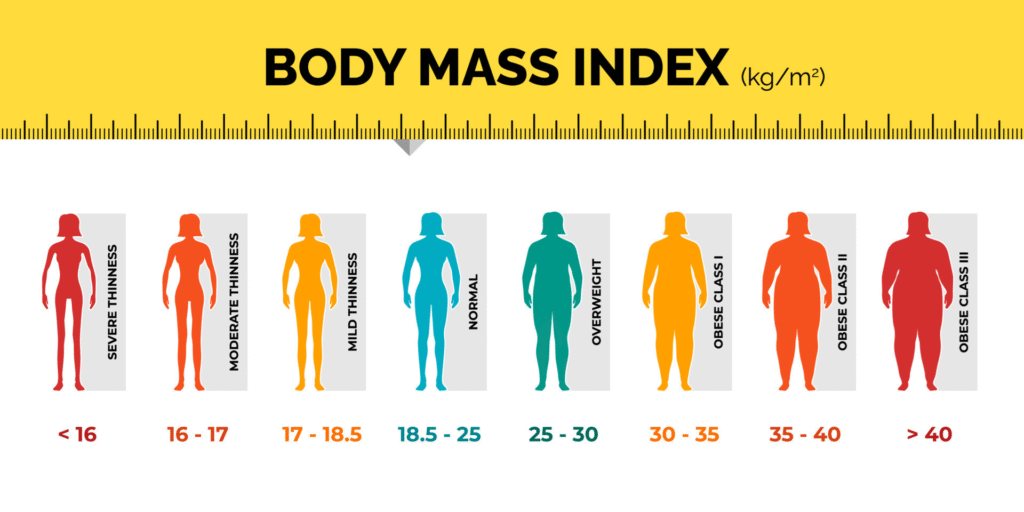
A body mass index chart is used to interpret BMI results by dividing them into categories such as underweight, healthy weight, overweight, and obese. When you calculate your body mass index, your score is matched against this chart to determine your health classification. This helps individuals quickly understand where they stand in relation to recommended health standards.
In the UK, NHS body mass index ranges are commonly used as a reference. These categories help healthcare professionals assess potential risks linked to weight, such as heart disease or diabetes. While the chart is useful, it should always be viewed as a general guide rather than a definitive health diagnosis.
Healthy Body Mass Index for Males and Females
A healthy body mass index for males and females generally falls within the range of 18.5 to 24.9. When you calculate your body mass index, falling within this range usually indicates a balanced weight for height. However, individual differences such as age, muscle mass, and lifestyle can influence how BMI results should be interpreted in real-world situations.
Men and women may experience different body compositions, which can affect how BMI is viewed by healthcare professionals. Despite this, BMI remains a useful starting point for understanding weight-related health risks. It is often combined with other measurements to provide a more complete health assessment.
Fat Free Mass Index and Limitations of BMI
Fat free mass index is an alternative measurement that focuses on lean body mass rather than total body weight. Unlike BMI, it separates fat from muscle, offering a more detailed understanding of body composition. This makes it particularly useful for athletes or individuals with higher muscle mass who may not fit standard BMI interpretations.
When you calculate your body mass index, it is important to recognise its limitations. BMI does not account for fat distribution or muscle density, which means it cannot fully reflect individual health conditions. This is why healthcare professionals often use BMI alongside other measurements for a more accurate evaluation.
Importance of NHS Body Mass Index Guidelines in the UK
The NHS body mass index system plays a significant role in public health across the UK. It provides standardised BMI ranges that help individuals understand whether they are at risk of weight-related health issues. When you calculate your body mass index, comparing it with NHS guidelines ensures consistency and reliability in interpreting results.
These guidelines are also used to support early intervention and prevention strategies. By identifying potential risks early, individuals can make lifestyle changes that improve long-term health outcomes. The NHS approach ensures that BMI remains an accessible and widely understood health measurement tool.
How to Maintain a Healthy Body Mass Index
Maintaining a healthy BMI involves a combination of balanced nutrition, regular physical activity, and consistent lifestyle habits. When you calculate your body mass index regularly, it can help track progress and highlight whether adjustments are needed in diet or exercise routines. Small, sustainable changes often lead to long-term improvements in overall health.
Hydration, sleep quality, and stress management also play important roles in maintaining a healthy weight. A holistic approach ensures that BMI remains within a healthy range while supporting overall wellbeing. Rather than focusing only on numbers, it is important to prioritise long-term health and fitness balance.
Conclusion on Understanding Body Mass Index
Understanding how to calculate your body mass index is an essential step towards better health awareness. It provides a simple yet effective way to assess whether your weight is appropriate for your height. While it is not a perfect measurement, it remains one of the most widely used tools in healthcare systems such as the NHS.
By using BMI alongside healthy lifestyle choices and professional medical guidance, individuals can gain a clearer picture of their overall wellbeing. It is a helpful starting point for anyone looking to improve fitness, manage weight, or simply understand their body more effectively.
FAQs About Body Mass Index
What is body mass index used for?
Body mass index is used to estimate whether a person has a healthy weight based on their height. It helps identify potential health risks linked to being underweight or overweight.
How do I calculate body mass index manually?
You can calculate it by dividing your weight in kilograms by your height in metres squared. This gives a numerical result that fits into standard BMI categories.
Is BMI accurate for everyone?
BMI is generally accurate for most people, but it may not reflect muscle mass or body composition accurately. Athletes and muscular individuals may receive higher readings.
What is a healthy BMI range in the UK?
In the UK, a healthy BMI range is typically between 18.5 and 24.9 according to NHS guidelines.
Can I use a BMI calculator instead of manual calculation?
Yes, a body mass index calculator UK tool provides fast and accurate results without needing manual calculations, making it more convenient for regular use.
You may also read: best supplements for ADHD adults