
A charity’s website is often the first place where potential donors, volunteers, and partners decide whether they trust an organisation. In 2026, charity web design is no longer about looking modern—it is about communicating credibility, removing friction, and guiding people toward meaningful action. A well-designed charity website can increase donations, improve engagement, and strengthen long-term support for a cause.
For UK charities, competition for attention online is growing. Supporters compare organisations, review transparency, and expect digital experiences that feel secure and easy to use. This makes strategic charity web design essential. This guide explains what effective charity web design looks like today, which UK agencies specialise in it, how successful charity websites are structured, and when templates are a smart alternative.
Why Charity Web Design Matters More Than Ever
Charity web design directly affects how people perceive an organisation’s legitimacy. When visitors arrive on a charity website, they quickly assess clarity, professionalism, and trustworthiness. If the website is slow, confusing, or outdated, many users leave before engaging with the cause. This means fewer donations, fewer volunteers, and missed opportunities to grow awareness.
In the UK, donors increasingly research charities online before giving. A well-structured website that clearly explains the mission, impact, and use of funds helps remove hesitation. Design choices such as readable layouts, simple navigation, and transparent content allow visitors to focus on the cause rather than struggling with the website itself.
Beyond appearance, charity web design supports technical performance. Search engines prioritise websites that load quickly, work well on mobile devices, and provide a good user experience. Charities that invest in strong web design are better positioned to reach new audiences through organic search and sustain long-term digital growth.
What Makes Charity Web Design Different from Business Websites
Charity web design has different goals from commercial website design. While businesses focus on selling products or services, charities focus on trust, emotional connection, and social impact. This changes how content, layout, and calls to action are designed and prioritised.
A charity website must clearly explain why the cause matters and how support makes a difference. Visitors need reassurance that their time, money, or effort will be used responsibly. This requires thoughtful storytelling, honest messaging, and accessible information rather than aggressive conversion tactics.
Another key difference is inclusivity. Charity web design must consider diverse audiences, including users with disabilities, older visitors, and people using low-end devices. Accessible design is not optional—it is part of ethical responsibility and helps ensure that everyone can engage with the organisation equally.
Leading UK Agencies Specialising in Charity Web Design
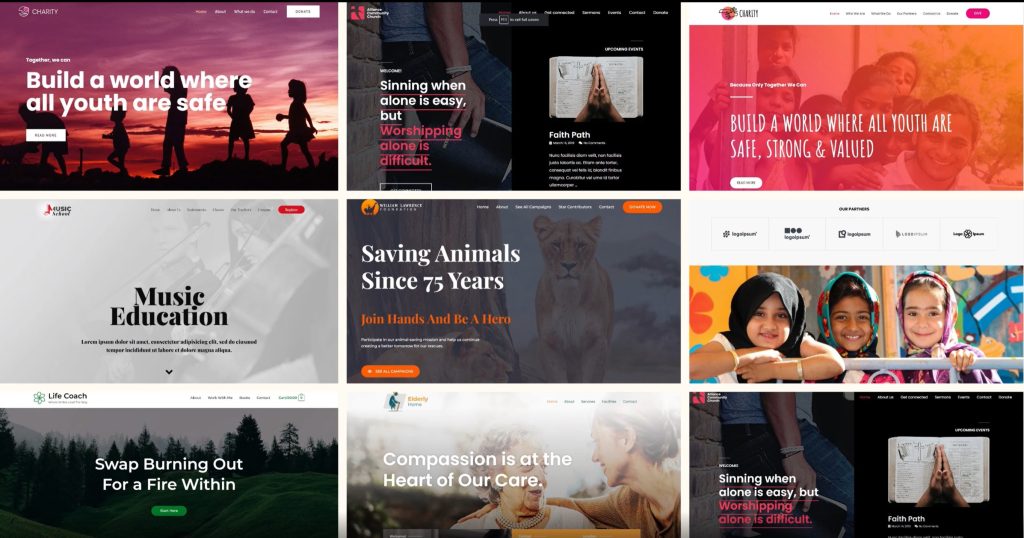
Many UK agencies focus specifically on charity web design because non-profit organisations have unique needs. These agencies understand fundraising journeys, accessibility standards, and the importance of long-term content management rather than short-term visual trends.
Specialist charity web design agencies typically offer services beyond design, including UX research, content structuring, SEO-friendly development, and analytics integration. Their goal is to create websites that support ongoing campaigns, donations, and communication rather than one-off launches.
When choosing a UK charity web design agency, charities should evaluate experience with non-profits, understanding of accessibility guidelines, and ability to explain design decisions clearly. The right agency will focus on outcomes—such as improved engagement or donation flow—rather than aesthetics alone.
Top specialist agencies operating in the United Kingdom include:
- Fat Beehive: Known specifically for working with non-profits, charity branding, and accessible tech solutions.
- Torchbox: Creators of the open-source Wagtail CMS, specializing in large-scale digital transformations for major global charities.
- Reason Digital: A social enterprise digital agency that builds web platforms specifically to drive social good and measurable impact.
Real Charity Website Examples and Design Approaches
Effective charity web design examples share common structural patterns. Successful charity websites clearly separate key sections such as “Donate,” “Our Work,” “Get Involved,” and “About Us.” This helps visitors quickly find what they are looking for without confusion.
High-performing charity websites also use visual hierarchy carefully. Important messages are placed above the fold, while supporting information is organised logically below. Images and videos are used to reinforce stories rather than distract from them. This balance keeps users engaged while maintaining clarity.
Another strong design approach is purpose-driven navigation. Charity websites often guide users toward one primary action, such as donating or volunteering, while still offering access to detailed information for those who want to explore further. This structure respects different user intentions without overwhelming them.
Exemplary Approaches in the UK Sector
- Macmillan Cancer Support: Uses highly accessible navigation with a prominent, high-contrast “Donate” button alongside immediately accessible emergency support lines.
- British Heart Foundation: Showcases clean layouts that split user intent perfectly between retail/shops, medical research tracking, and booking free furniture collections.
- Oxfam Great Britain: Focuses on transparent storytelling with a clear link between financial donations and real-world field data, establishing high trust above the fold.
Charity Website Templates and When to Use Them
Charity website templates are a practical solution for organisations with limited budgets or internal resources. Many modern templates are designed specifically for non-profits and include features such as donation forms, event pages, and volunteer sign-up sections.
Platforms like WordPress, Wix, and Squarespace offer charity-focused templates that can be customised to match branding and content needs. When used correctly, these templates provide a solid foundation for a professional online presence without the cost of a custom build.
However, templates should be chosen carefully. A good charity web design template must be fast, mobile-responsive, and accessible. Charities should avoid overly complex designs that slow down the site or confuse visitors. With thoughtful customisation and clear content, templates can support effective fundraising and communication.
Essential Features of a High-Quality Charity Website
Every successful charity web design includes certain core features. Secure and simple donation functionality is essential. Donation forms should be easy to complete, clearly explained, and reassuring for users who may be donating for the first time.
Transparency is another critical feature. Charity websites should provide clear information about goals, impact, and governance. Pages that explain how donations are used help build trust and reduce uncertainty, which directly influences conversion rates.
Charity websites also benefit from flexible content sections. Blogs, news updates, and campaign pages allow organisations to share progress and remain relevant. This not only supports engagement but also improves SEO by keeping the website fresh and informative.
Technical and Transactional Must-Haves
To compete effectively on modern search terms, websites must implement:
- Integrated Payment Gateways: Seamless setups with Stripe, PayPal, and Apple Pay to drop friction.
- Gift Aid Integration: Automated declarations built natively into digital checkout flows to claim the extra 25% tax relief instantly.
- CRM Syncing: Direct connectivity to databases like Beacon or Salesforce to manage donor relationships immediately.
SEO Considerations for Charity Web Design in 2026
SEO is an important part of charity web design because it helps people discover causes organically. A well-designed charity website uses clean code, logical page structure, and fast loading times, all of which contribute to better search performance.
Keyword usage should be natural and context-driven. Terms like charity web design, charity website design, and nonprofit web design should appear where they genuinely add clarity, such as headings and explanatory sections. Overuse or forced placement can harm credibility and rankings.
Internal linking also plays a role. Connecting donation pages, blog content, and informational sections helps both users and search engines understand the website structure. Combined with high-quality content, SEO-friendly charity web design improves visibility and long-term reach.
Accessibility and Trust in Charity Web Design

Accessibility is a fundamental part of ethical charity web design. Websites should be usable by people with visual, motor, or cognitive impairments. This includes readable fonts, clear contrast, descriptive links, and keyboard-friendly navigation.
Trust is reinforced through consistency and clarity. Design elements such as clear branding, professional layout, and straightforward language help visitors feel confident in the organisation. Avoiding clutter and unnecessary animations keeps the focus on the mission.
By prioritising accessibility and trust, charity web design becomes more inclusive and effective. These principles not only support users but also align with modern search engine quality standards.
How to Set Up and Monitor Performance in Google Search Console
To ensure your charity website achieves and maintains front-page visibility, tracking digital performance is essential. Google Search Console serves as the foundational tool for auditing how search engines view non-profit domains.
1. Verifying Ownership and Submitting Sitemaps
Once a new charity site layout or template is deployed, the property must be verified via DNS records or HTML tags. Immediately after verification, submit the structured XML sitemap (typically found at [domain.com/sitemap_index.xml](https://domain.com/sitemap_index.xml)) to prompt rapid crawling of newly built donation hubs and landing pages.
2. Monitoring Core Web Vitals
The Core Web Vitals report within Search Console directly impacts ranking positions. Non-profit sites heavy with high-resolution imagery and video assets frequently suffer from poor Largest Contentful Paint (LCP) and Cumulative Layout Shift (CLS). Monitor these signals to ensure custom themes do not slow down responsive layouts on mobile platforms.
3. Rectifying Rich Snippet and Schema Markup Issues
Applying specific structured data properties (such as NGO or Organization schema) allows charities to capture advanced snippets in SERP results. Search Console identifies missing parameters, invalid attributes, or formatting errors within these schema integrations, enabling developers to resolve visual presentation discrepancies promptly.
Conclusion
Charity web design is a strategic investment that directly influences how people engage with a cause. In 2026, successful charity websites focus on clarity, accessibility, trust, and purposeful design rather than trends or visual complexity.
Whether a charity works with a specialist UK agency or uses a well-built template, the goal remains the same: create a website that clearly communicates impact and makes it easy for people to support the mission. With thoughtful charity web design, organisations can strengthen credibility, increase engagement, and build lasting relationships with their supporters.
Frequently Asked Questions
What is charity web design?
Charity web design focuses on creating websites for non-profit organisations that prioritise trust, accessibility, and meaningful engagement.
Why is charity web design important?
Good charity web design helps increase donations, attract volunteers, and improve visibility by providing a clear and professional online presence.
Are website templates suitable for charities?
Yes, high-quality templates can work well for charities, especially when budgets are limited, as long as they are fast, accessible, and well-structured.
How does SEO support charity websites?
SEO helps charity websites appear in search results, allowing more people to discover and support charitable causes organically.
What accessibility standards apply to UK charity sites?
UK non-profit sites must strive to meet WCAG 2.2 AA standards, ensuring complete keyboard navigability, robust alt-text parameters, and clear color contrast ratios for visually impaired users.
How does Gift Aid functionality affect layout design?
Gift Aid requirements mean forms must capture explicit declaration check-boxes and valid UK addresses smoothly without adding complex steps that break user conversion flows.
You may also read: Grants, Loans and Funding Opportunities